
June 11, 2026, 10:30 AM - A big bowl of humpback soup in the Strait!
The sunshine was abundant, the winds were light, and anticipation was high as we prepared for another beautiful day exploring the Salish Sea aboard Kula, our semi-covered vessel and Cascadia, our open boat. Before we had even stepped aboard, however, our morning was already off to an exciting start.
Waiting for us near the dock were some familiar faces, our mischievous river otters! These playful mammals are often seen darting between pilings, wrestling with one another, or investigating anything that catches their curiosity. River otters can hold their breath for up to eight minutes while hunting and are known for their remarkable intelligence and playful behaviour. While they may look adorable, they are skilled predators that feed on fish, crabs, and other aquatic prey throughout our coastal waters.
With calm seas stretching out before us, we cast off and ventured into the Strait of Georgia. Over the past several weeks, we have been seeing an increasing number of humpback whales returning to our feeding grounds, a welcome reminder that summer is truly underway.
The humpbacks we encounter here undertake one of the most impressive migrations in the animal kingdom. Every year, they travel thousands of kilometres between the nutrient-rich waters of British Columbia and the warm tropical breeding grounds of Hawaii and Mexico. During their time in the tropics, humpbacks rarely feed, relying instead on the energy reserves they accumulated the previous summer. By the time they return north, many individuals have lost nearly half of their body weight. Here in the Salish Sea, they spend the summer and fall feeding intensively on schools of herring, anchovies, krill, and other prey, rebuilding those reserves before once again making the long journey south and fasting throughout the breeding season.
It didn't take long before we spotted our first bushy blow on the horizon. A few moments later, a broad back surfaced in the calm waters, followed by the graceful arch of a humpback preparing to dive. Out came Marine Naturalist Evan's camera as we worked to photograph the whale's dorsal fin and tail flukes. Every humpback whale possesses unique markings that allow researchers and naturalists to identify them as individuals, much like a human fingerprint.
A quick review of the photographs revealed an exciting identification: Zig Zag (BCY1193)!
With her iconic three-dot markings, Zigzag is a whale we know well. She spends her winters in Hawaii and has successfully brought four calves into the world over the years. Mothers like Zigzag play an incredibly important role in the continued recovery of humpback whales along our coast.
The journey from Hawaii to British Columbia is challenging for any whale, but it is particularly demanding for mothers and calves. Young calves must travel thousands of kilometres during their first migration while still developing strength and endurance. Throughout the journey, mothers remain constantly attentive, positioning themselves to shelter their calves, slowing their travel pace to accommodate them, and sacrificing their own energy reserves to nurse them. Humpback milk is extraordinarily rich in fat, allowing calves to gain weight rapidly and prepare for the long migration north. The successful arrival of a mother and calf on our feeding grounds represents months of dedicated maternal care and one of nature's most remarkable accomplishments.
As humpback populations continue to recover throughout the North Pacific, encounters with solitary whales are becoming less common. So the question naturally arose: was Zig Zag truly alone?
The answer soon became apparent. We noticed another whale accompanying her: Split Fin (BCZ0298), a male who also comes from Hawaii. While Kula spent time with these two, Cascadia had found a pair of their own humpbacks. It was Naturalist Aly’s turn to snap some pics and identify these flukes. One was instantly recognized as Valiant (BCX1773), a tail bearing scars from an orca attack, and Incognito (BCX2053), a basic black tail with no markings. Can you guess how they got their name?
Not far from where we found Zig Zag and Split Fin, several more blows appeared across the water. Then another. And another. We had stumbled upon what naturalists affectionately refer to as "humpback soup."
Within the area, we identified Kraken (BCZ0180), Beak (BCX1606), Watson/Cerulen (BCY1471), Bagheera (BCY1471), and Seltzer (BCY1274), all feeding and travelling in relatively close proximity to one another. While these whales were not necessarily travelling together as a coordinated group, their presence in the same area strongly suggested one thing: food.
The waters of the Salish Sea provide abundant prey during the summer months, attracting humpbacks from across the North Pacific. Every mouthful helps replenish the energy reserves they will depend upon when they return to the tropics later in the year.
Although Zig Zag wasn't directly associated with the other whales, there were signs that communication may have been occurring. Several individuals were observed flicking their tails at the water's surface. While scientists are still working to fully understand the purpose of these behaviours, they may serve as a form of communication, helping whales signal one another across large expanses of ocean.
What we can say with certainty is that it was incredible to witness so many humpback whales using these waters. Not long ago, such encounters would have been exceedingly rare. Commercial whaling dramatically reduced humpback populations throughout the Pacific, but thanks to decades of conservation efforts, their numbers have steadily increased. Every season, we are reminded of the resilience of these remarkable animals and the importance of protecting the habitats they depend upon. After spending quality time with our humpback whales, we continued our search for more of the Salish Sea's incredible wildlife.
Along the shoreline, we encountered several harbour seals hauled out on rocky reefs. Harbour seals are one of the most common marine mammals in British Columbia and can dive to depths of over 500 metres while hunting for fish and squid. Despite their somewhat awkward appearance on land, they are agile and efficient swimmers underwater.
Nearby, a gathering of Steller Sea Lions rested along the rocks. These impressive pinnipeds are the largest sea lions in the world, with adult males weighing over 2,500 pounds. Their deep vocalizations and massive size make them one of the most charismatic species we encounter throughout the year.
Overhead, bald eagles watched from towering perches and nests along the shoreline. Their exceptional eyesight allows them to spot prey from remarkable distances, making them one of the Salish Sea's most successful predators.
The skies and shoreline were also alive with seabirds. Gulls patrolled the coastline searching for easy meals, while cormorants stood with wings outstretched, drying their feathers after underwater hunting expeditions. Unlike many waterbirds, cormorants have less waterproofing in their feathers, which helps them dive efficiently but requires them to dry off afterward.
As the afternoon drew to a close, we made our way back toward Nanaimo, reflecting on another extraordinary day on the water. From playful river otters at the dock to a spectacular gathering of humpback whales in the Strait of Georgia, every encounter served as a reminder of just how vibrant and diverse the Salish Sea has become.
Days like today showcase not only the beauty of our coastal ecosystem but also the success stories unfolding within it. The return of humpback whales, the thriving populations of marine mammals and seabirds, and the countless connections between these species all tell a story of resilience and recovery.
We left the water grateful for the opportunity to witness it all and eager to see what surprises await on tomorrow's adventure. Please enjoy the photos below, captured by Marine Naturalists Aly Kohlman and Evan Hessels!
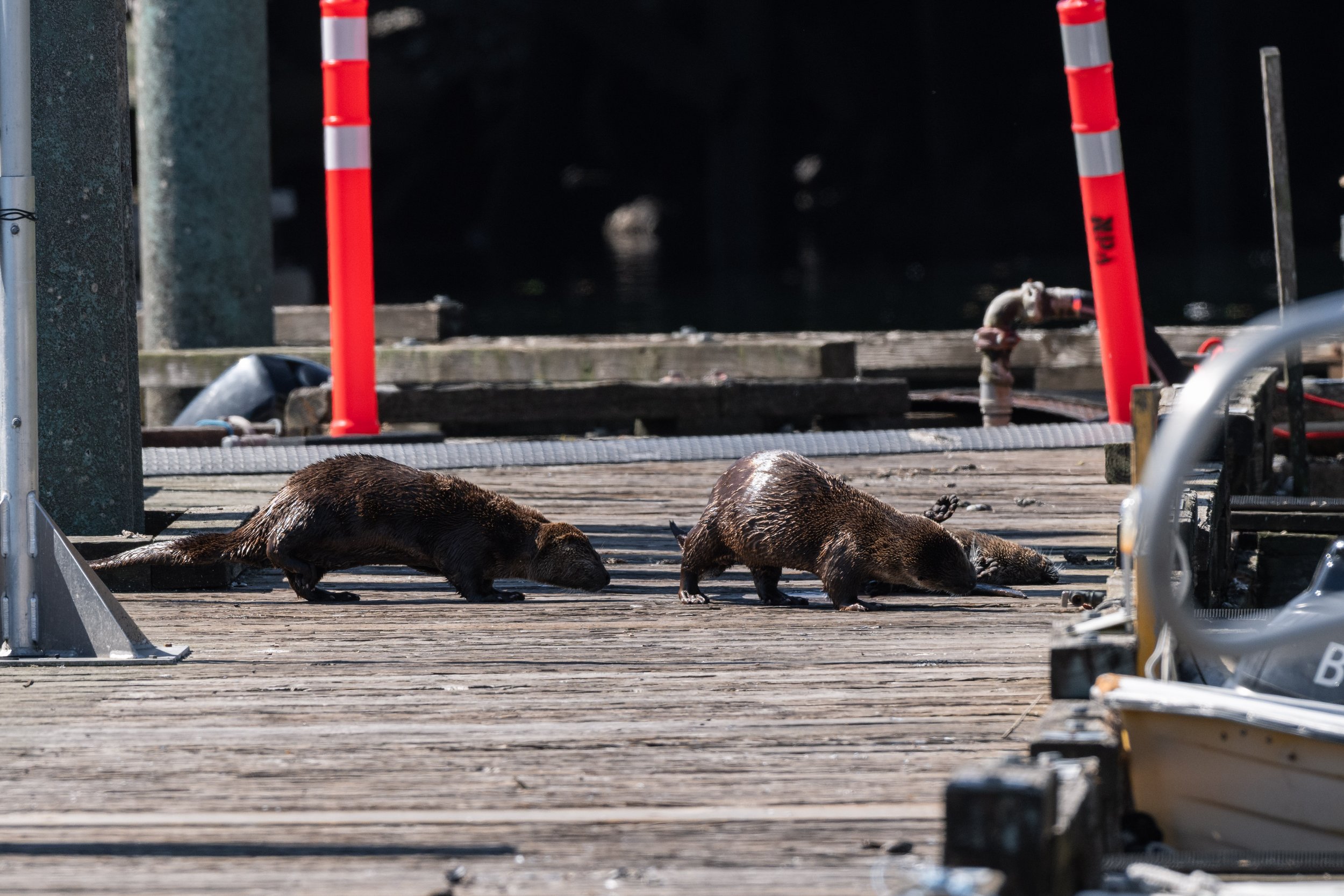
Some River Otters on the dock before the tour takes off! Photo by Aly Kohlman.
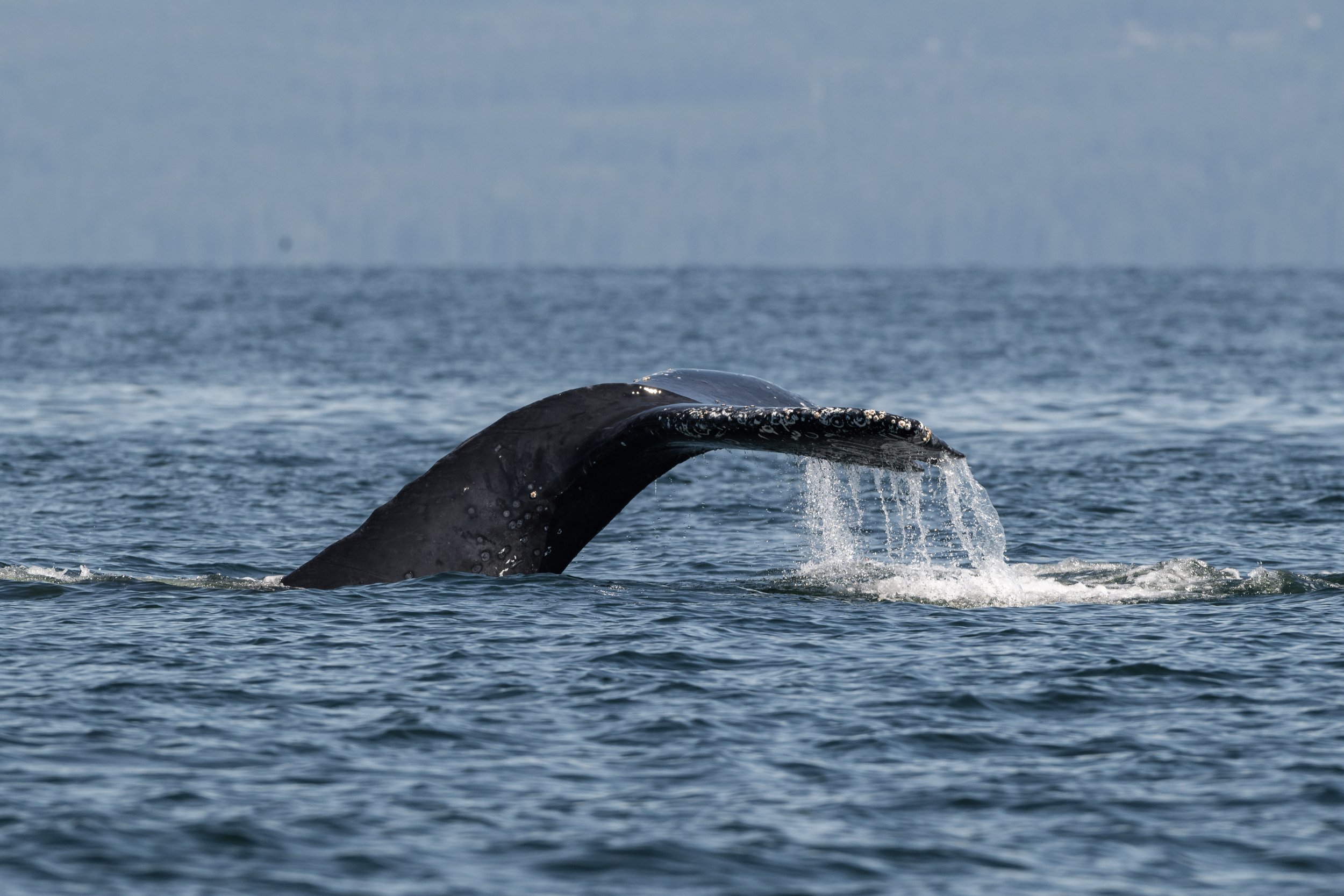
Valiant lifting her tail to dive. Photo by Aly Kohlman.
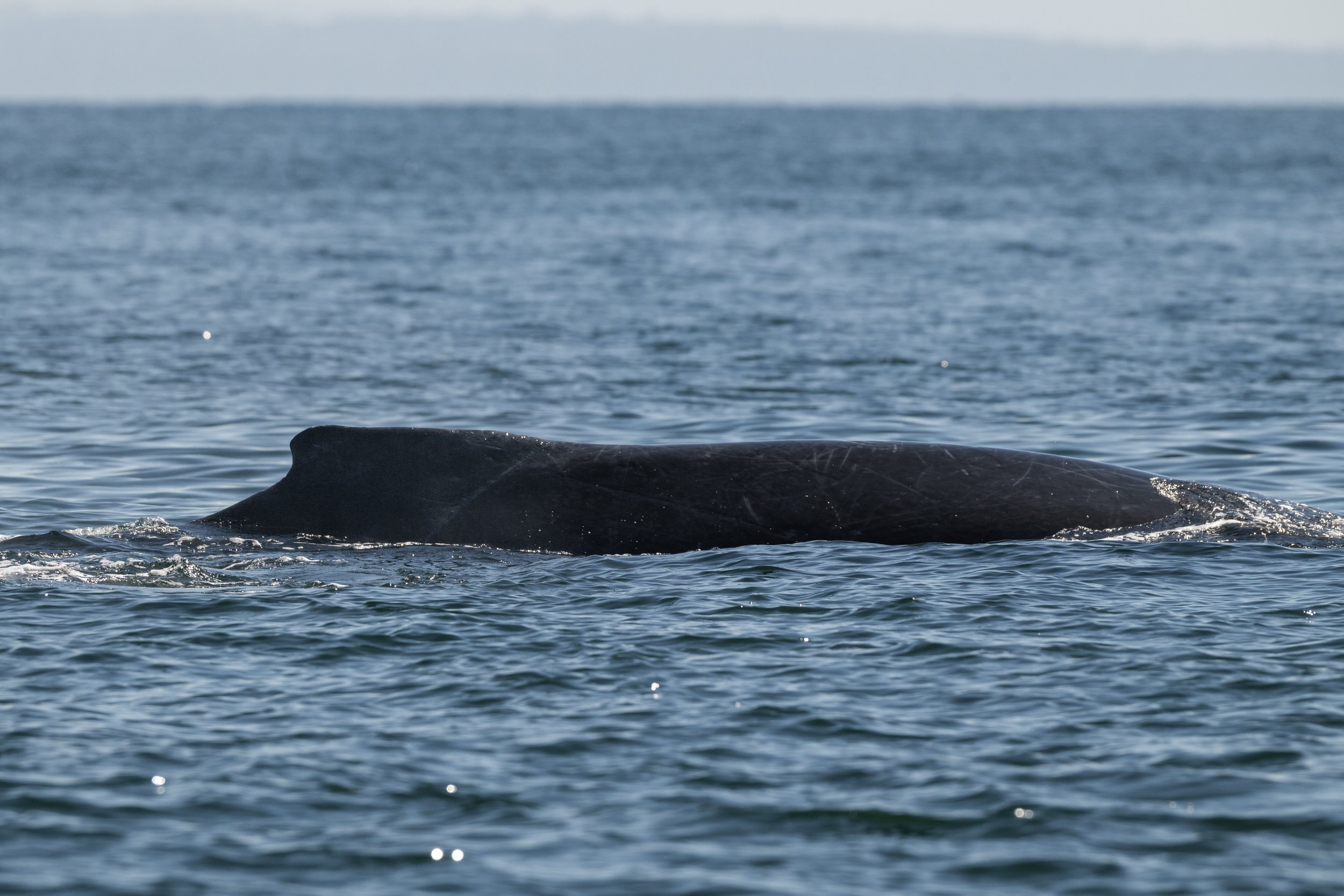
Incognito surfacing in the calm water. Photo by Aly Kohlman.
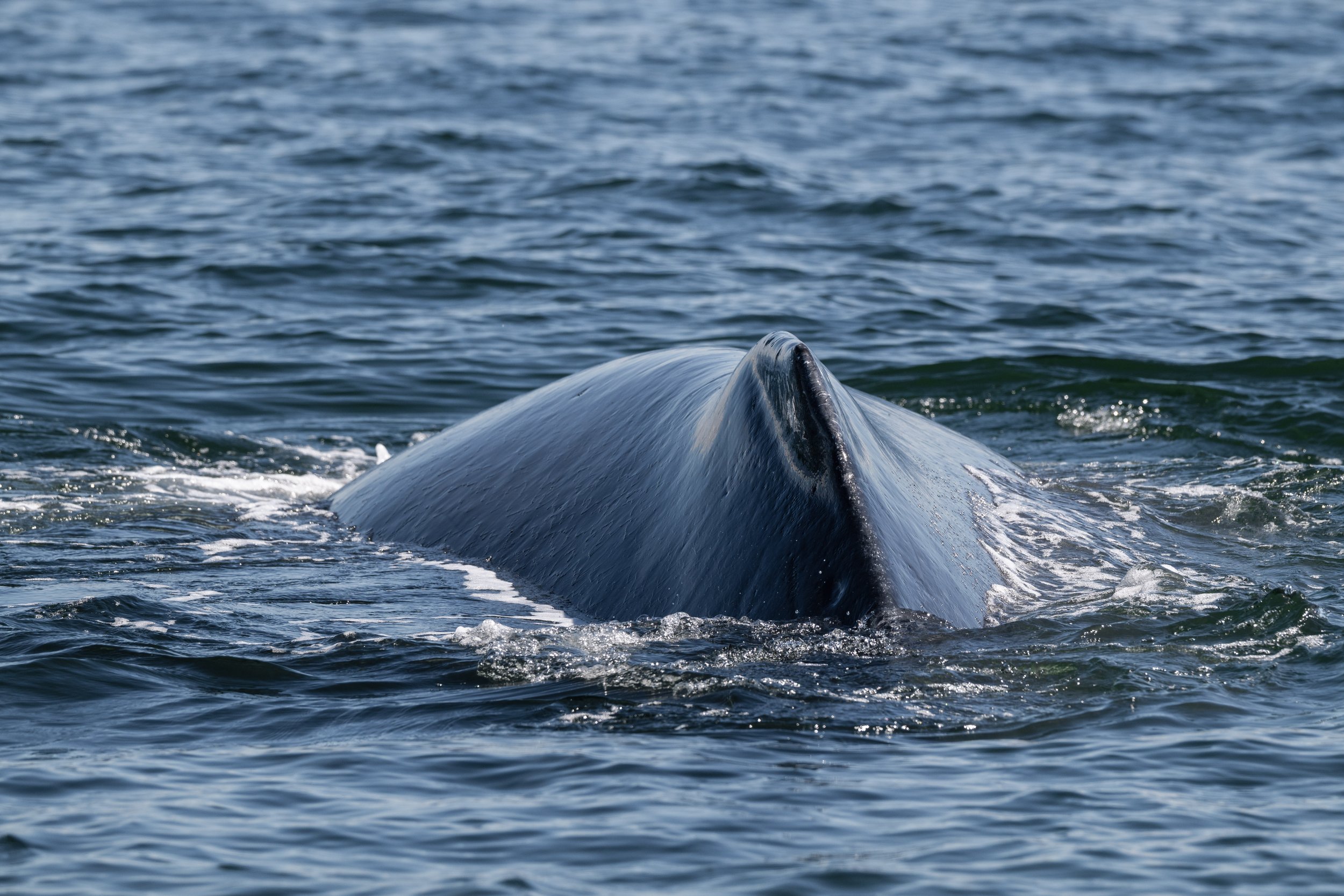
Valiant swimming away from the boat. Photo by Aly Kohlman.
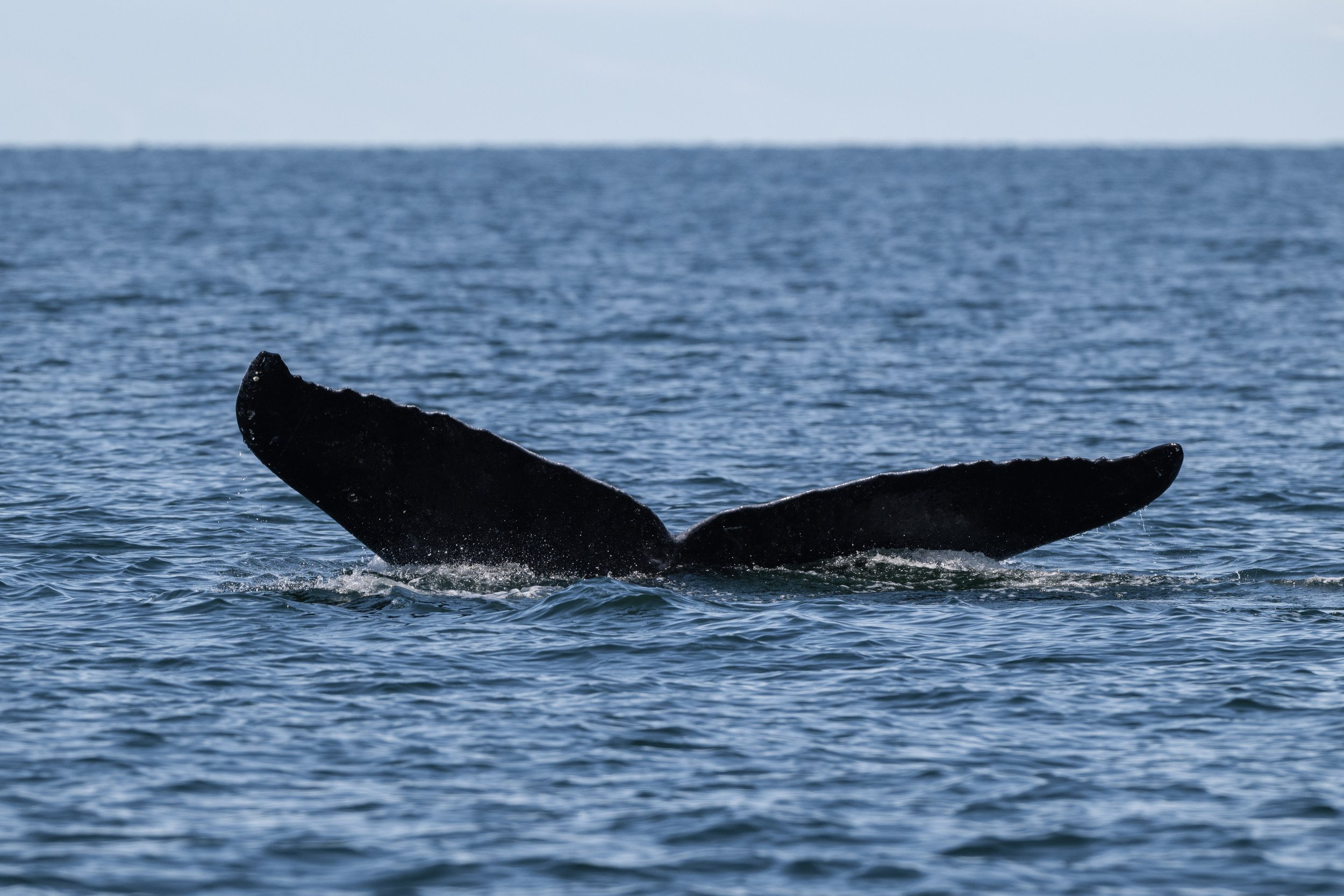
Incognito lifting their tail to dive. Photo by Aly Kohlman.
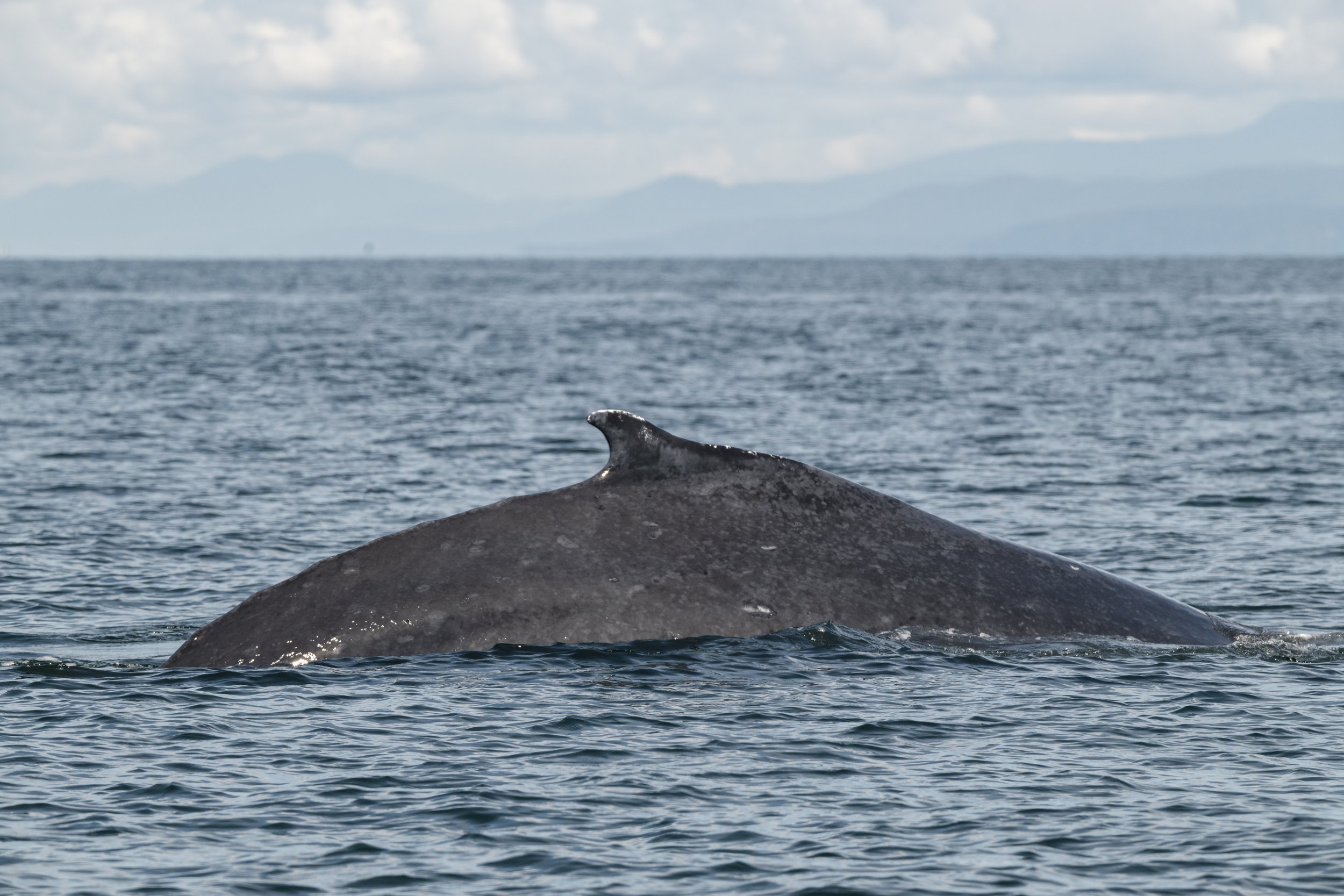
Smiley’s very distinct dorsal fin. Photo by Aly Kohlman.
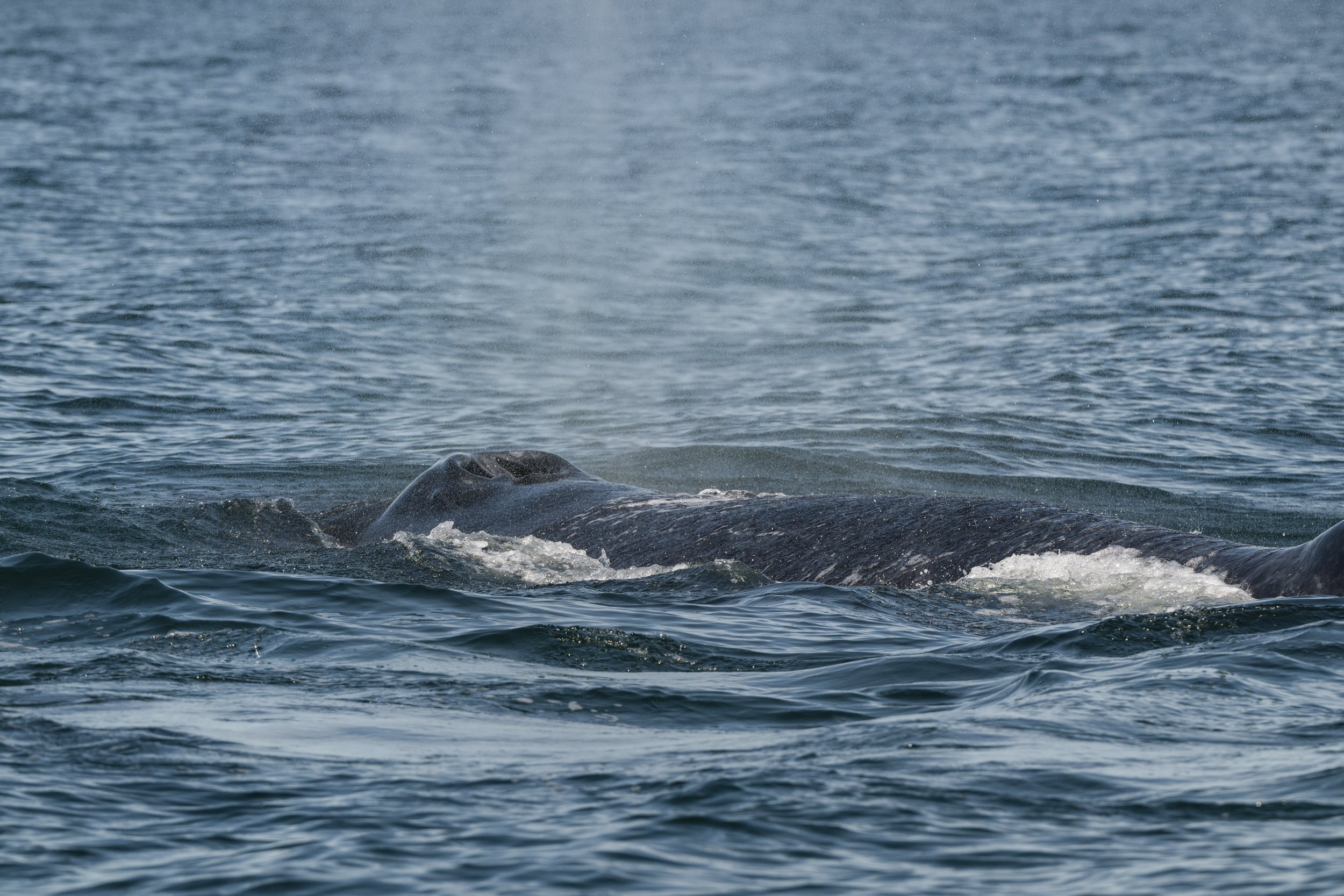
Did you know that humpback whales have two blowholes? You can see them here! Photo by Aly Kohlman.
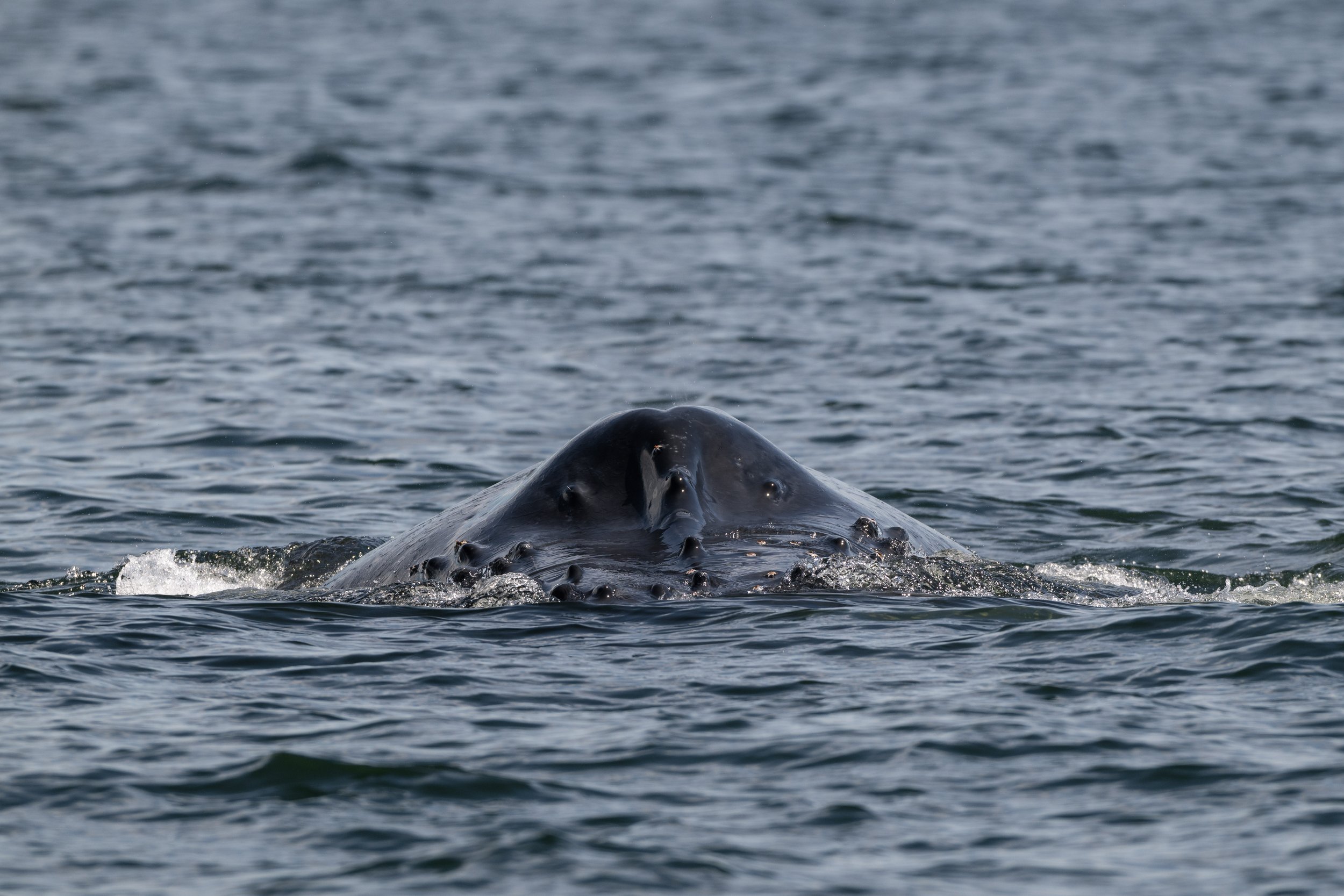
Valiant now coming right towards the camera! You can see her bumpy tubercles clearly on her face. Photo by Aly Kohlman.
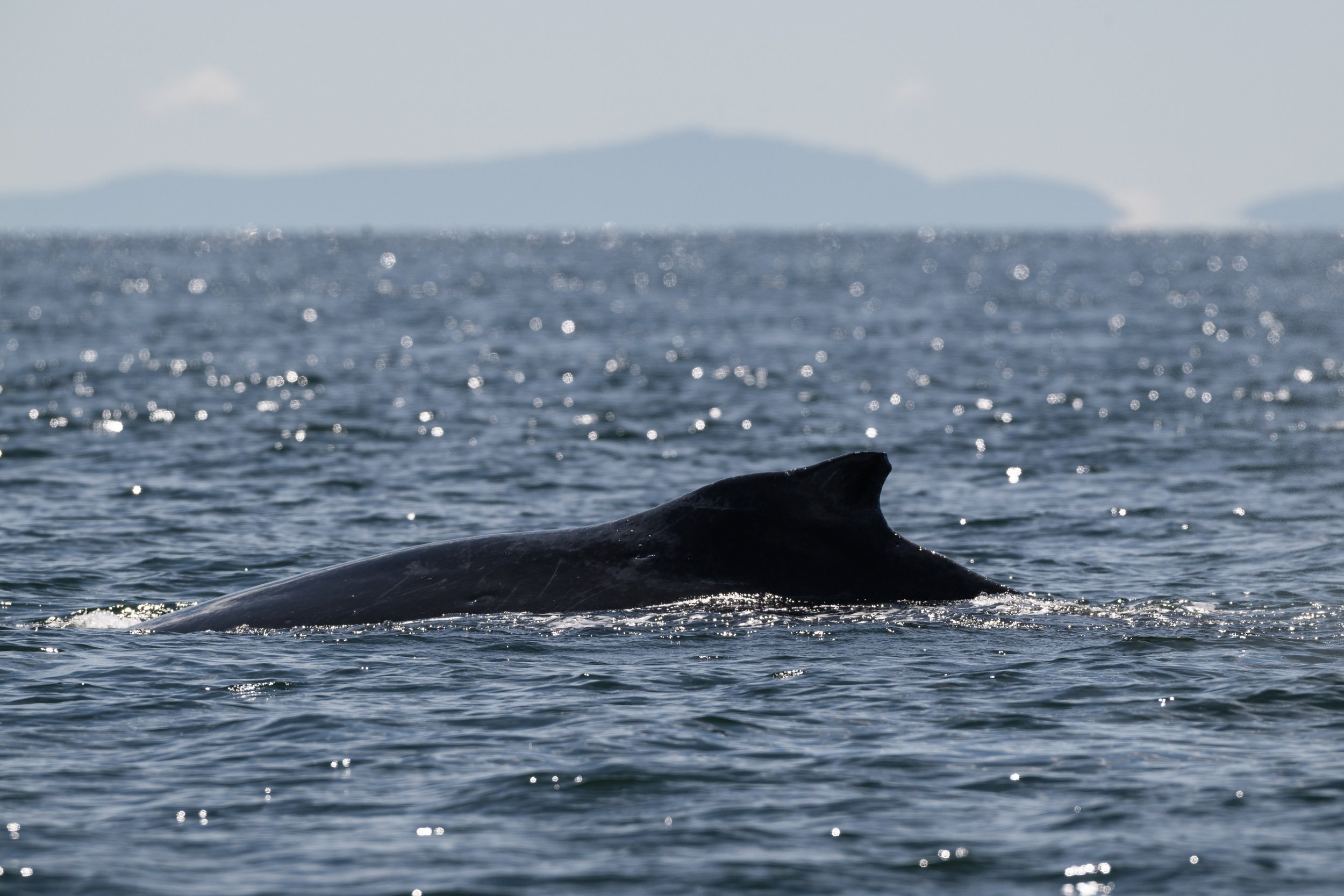
Coyote has a unique dorsal win with a notch on the tip. Photo by Aly Kohlman.
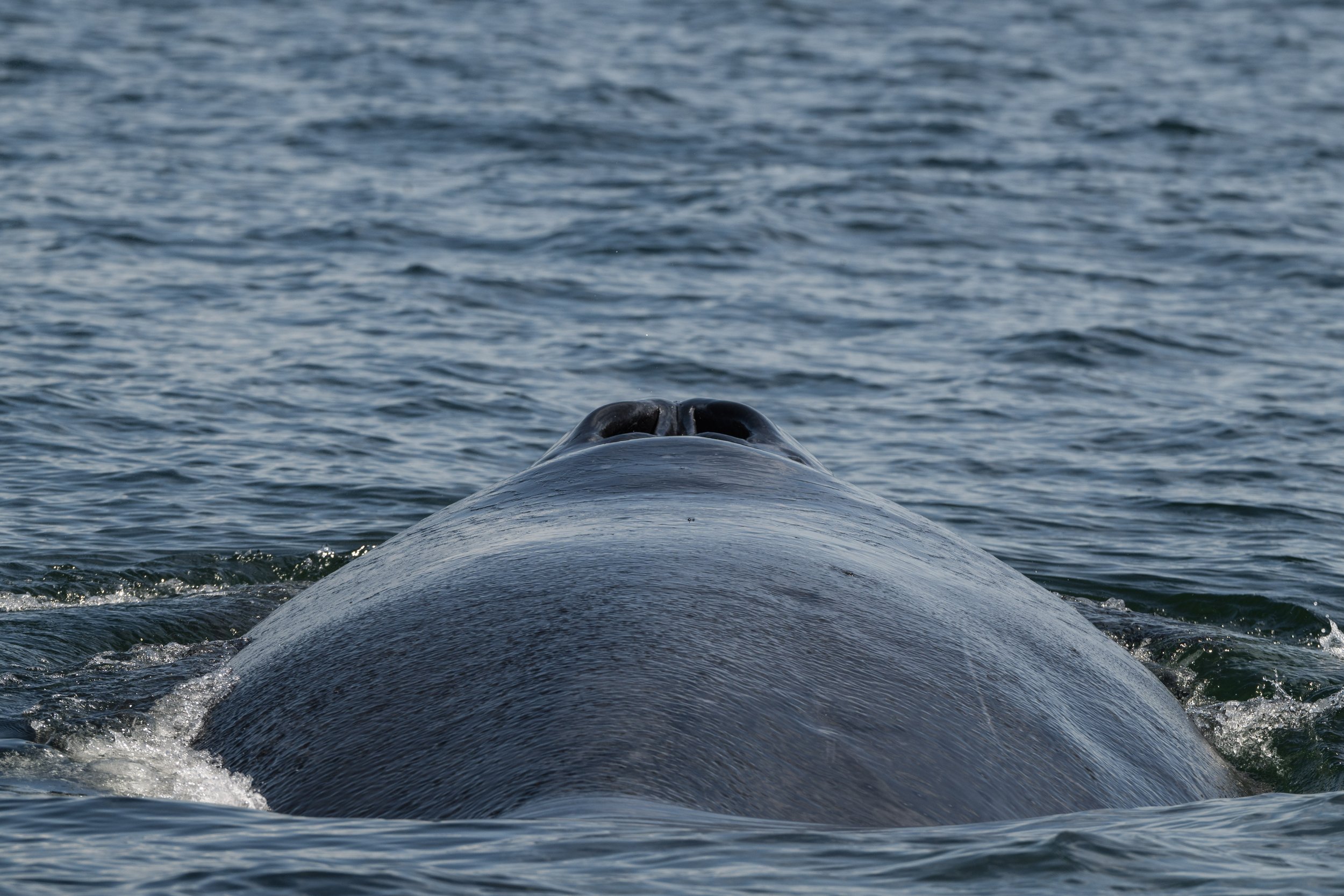
Look how wide Valiant is! Photo by Aly Kohlman.
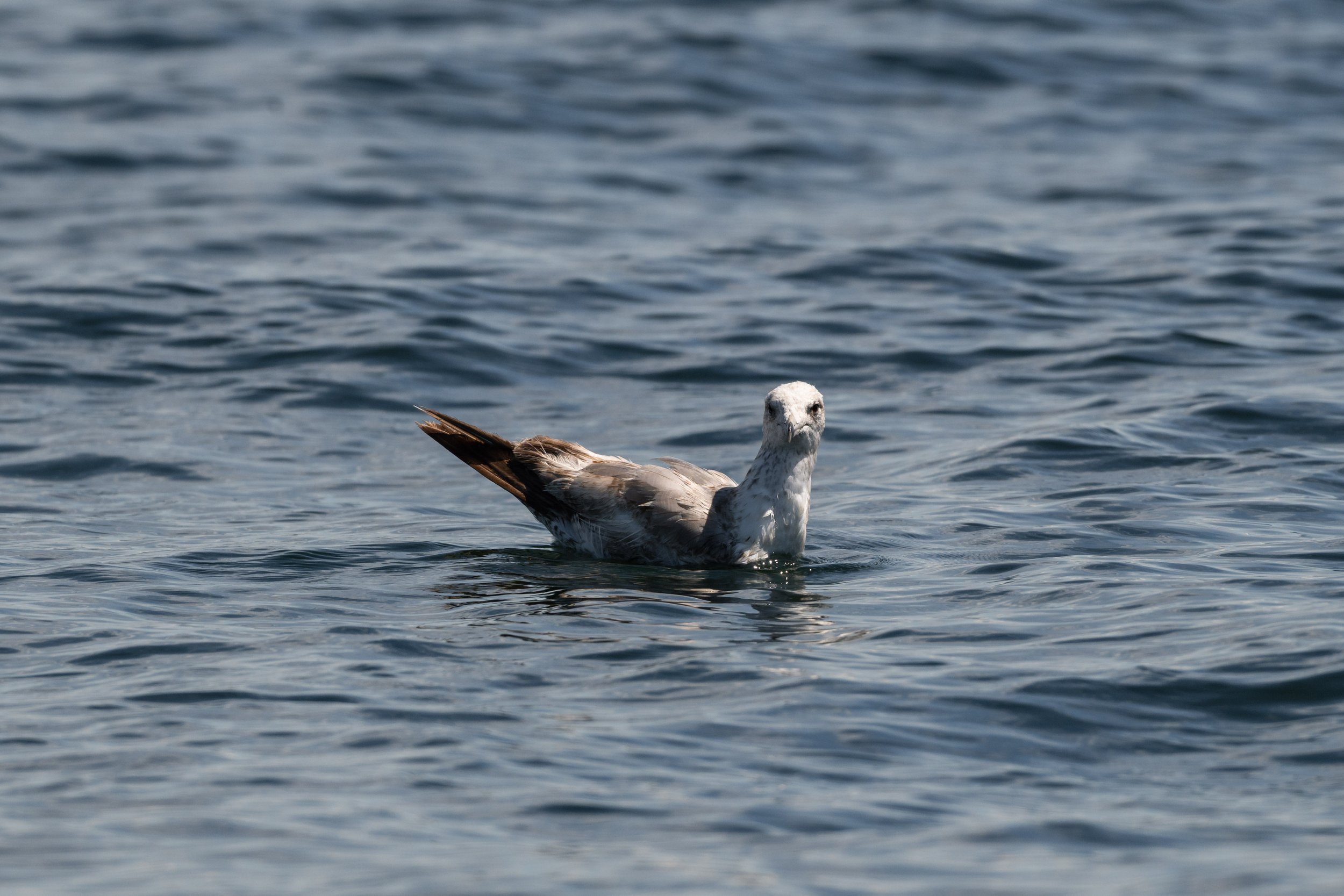
A gull giving us the stink eye. Photo by Aly Kohlman.
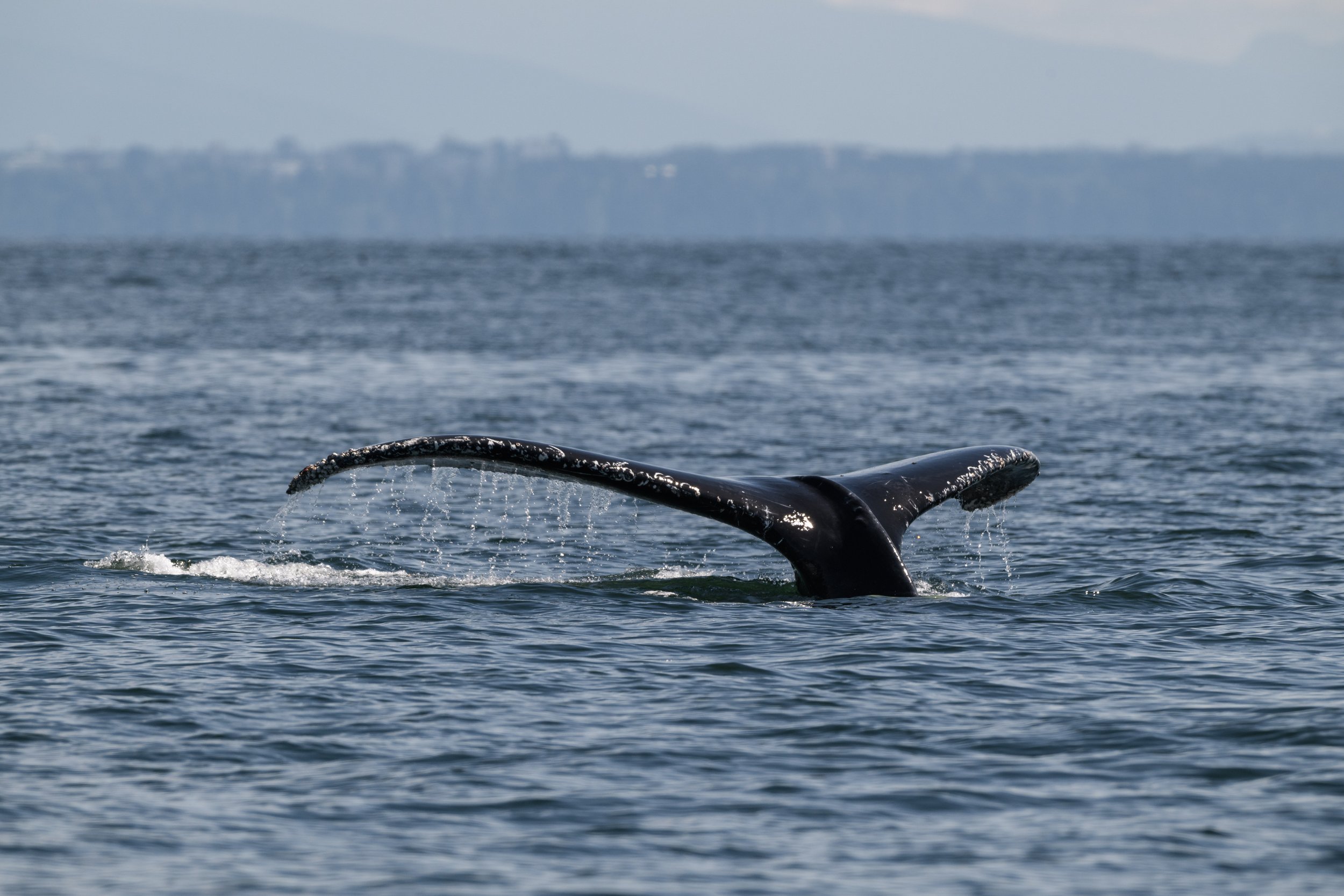
Coyote going for a dive. Photo by Aly Kohlman.
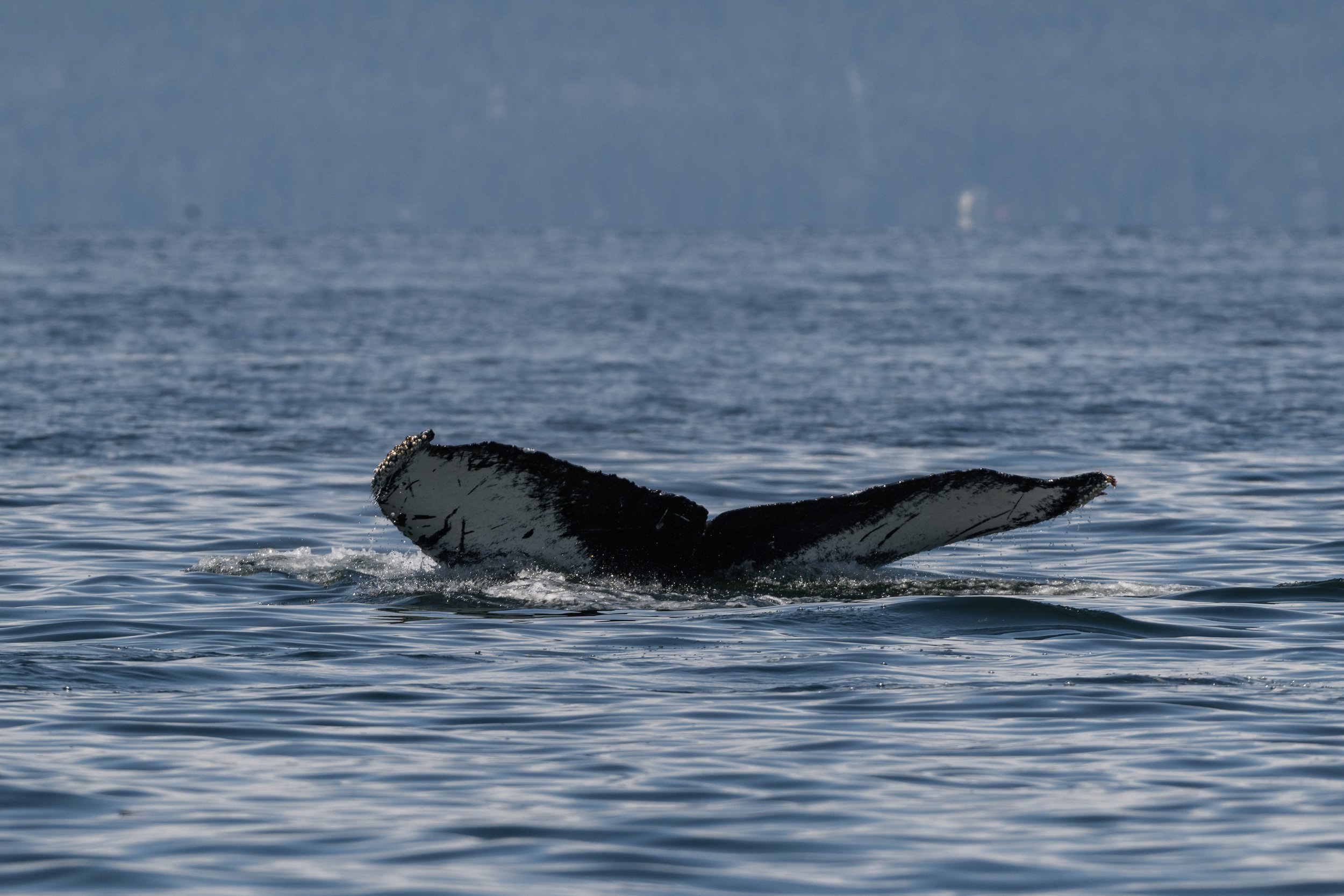
A great look at the underside of Kraken’s dorsal fin. Photo by Aly Kohlman.
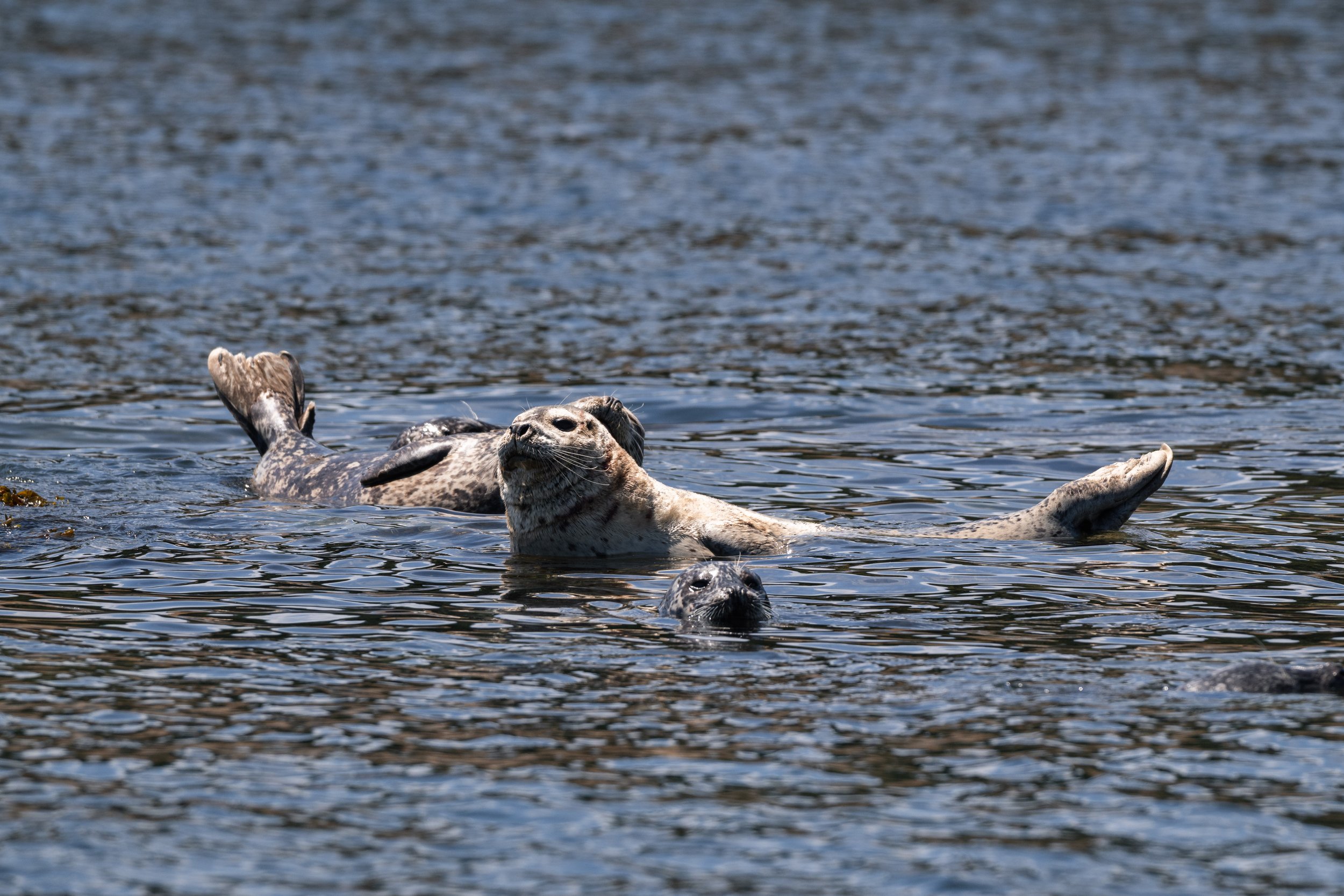
Some cute little Harbour Seals on the laast bit of rock before the tide forces them to swim. Photo by Aly Kohlman.
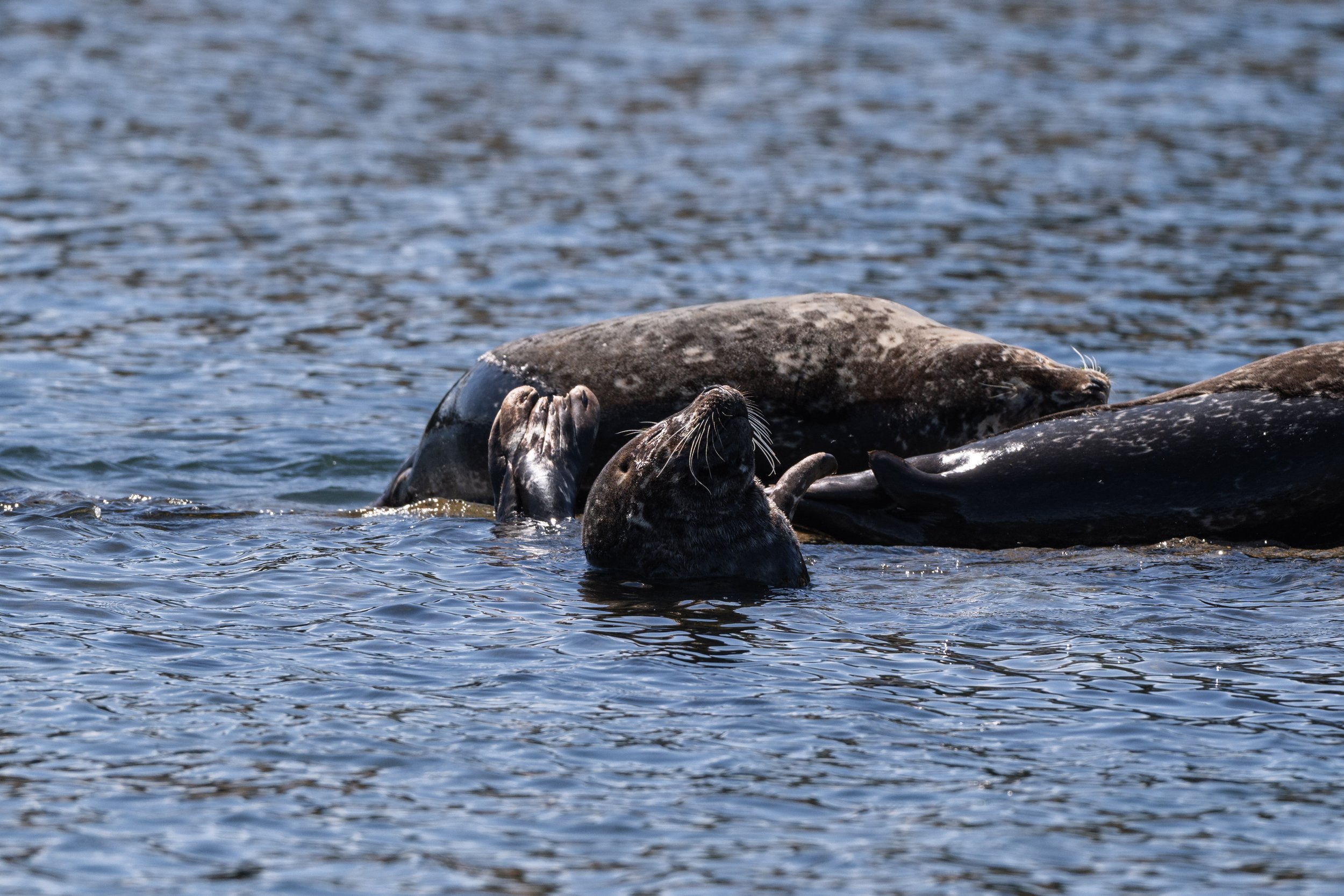
When Harbour Seals are in banana pose like this, it means that they are very happy! Photo by Aly Kohlman.
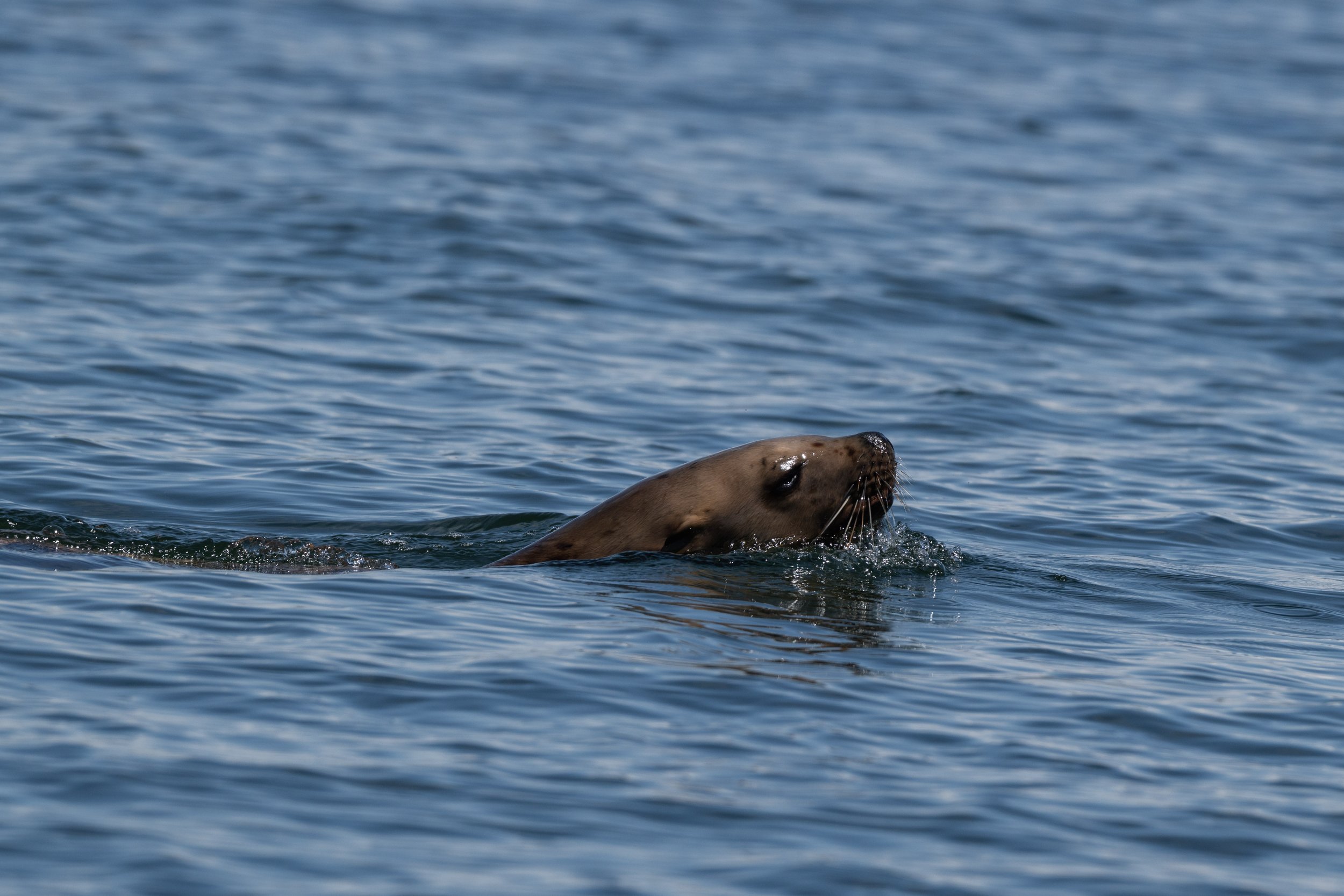
A Steller Sea Lion swimming by. Photo by Aly Kohlman.
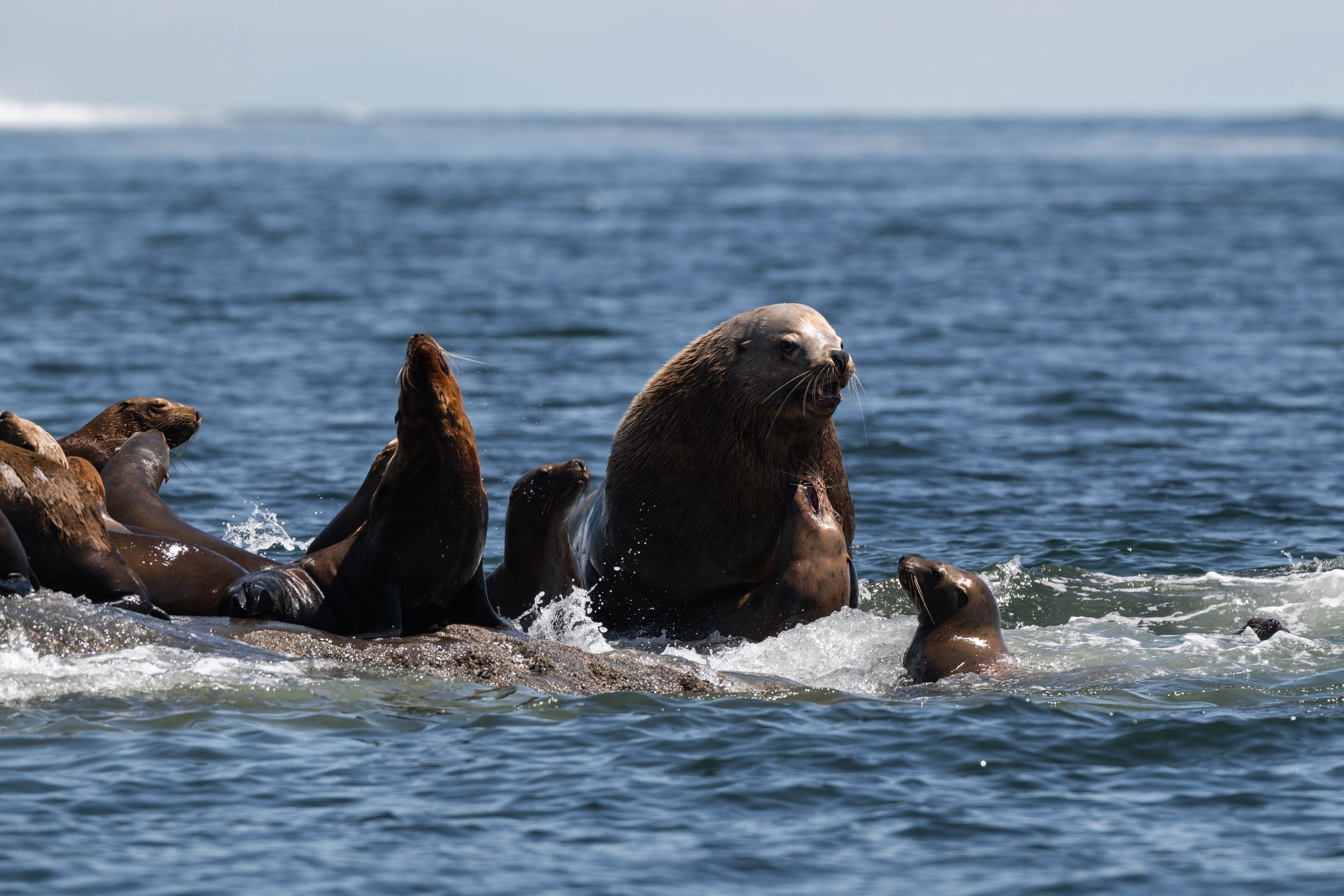
Steller Sea Lions fighting at Stinky Rock. Photo by Aly Kohlman.
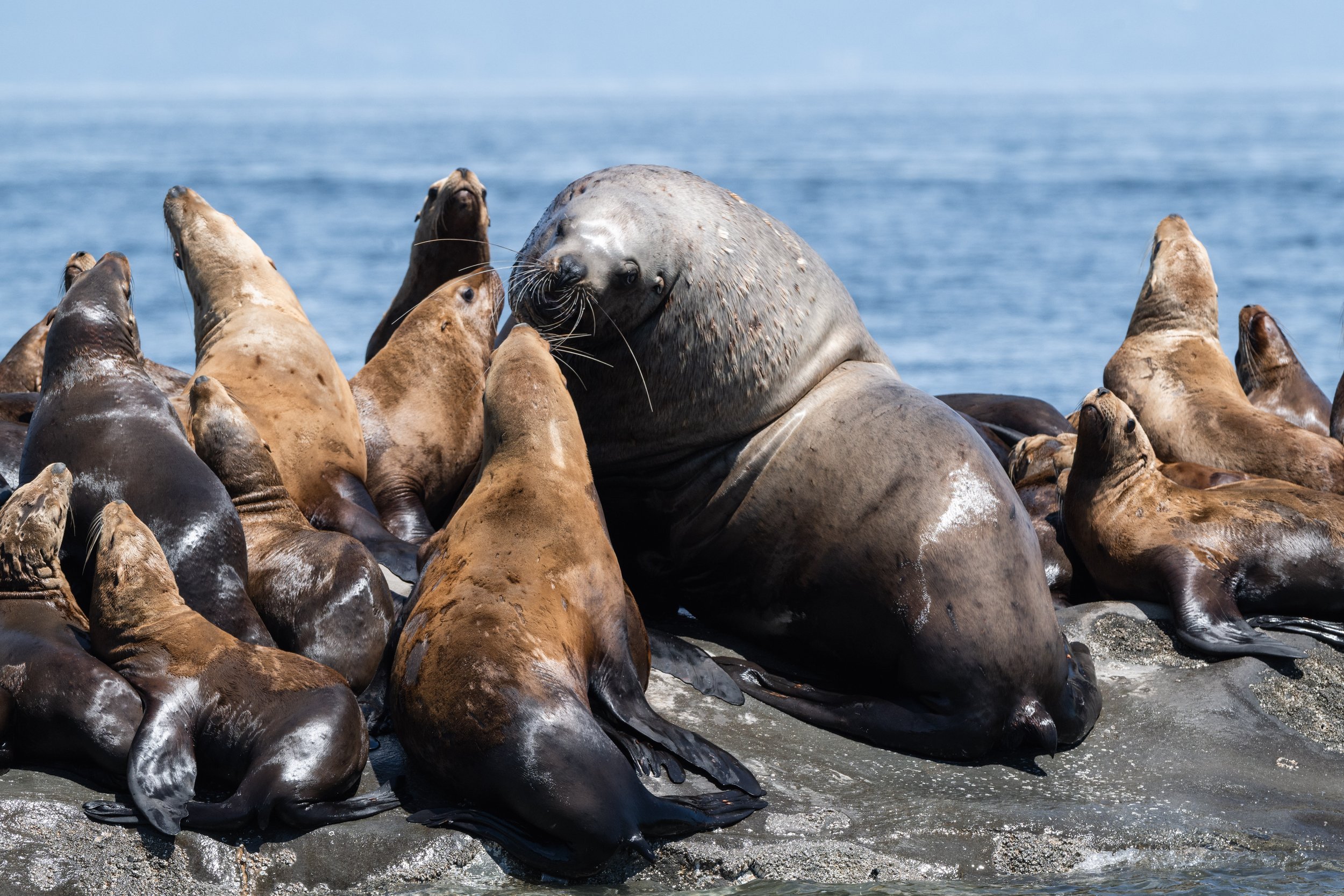
Look at the clashing whiskers during this Steller Sea Lion fight. Photo by Aly Kohlman.
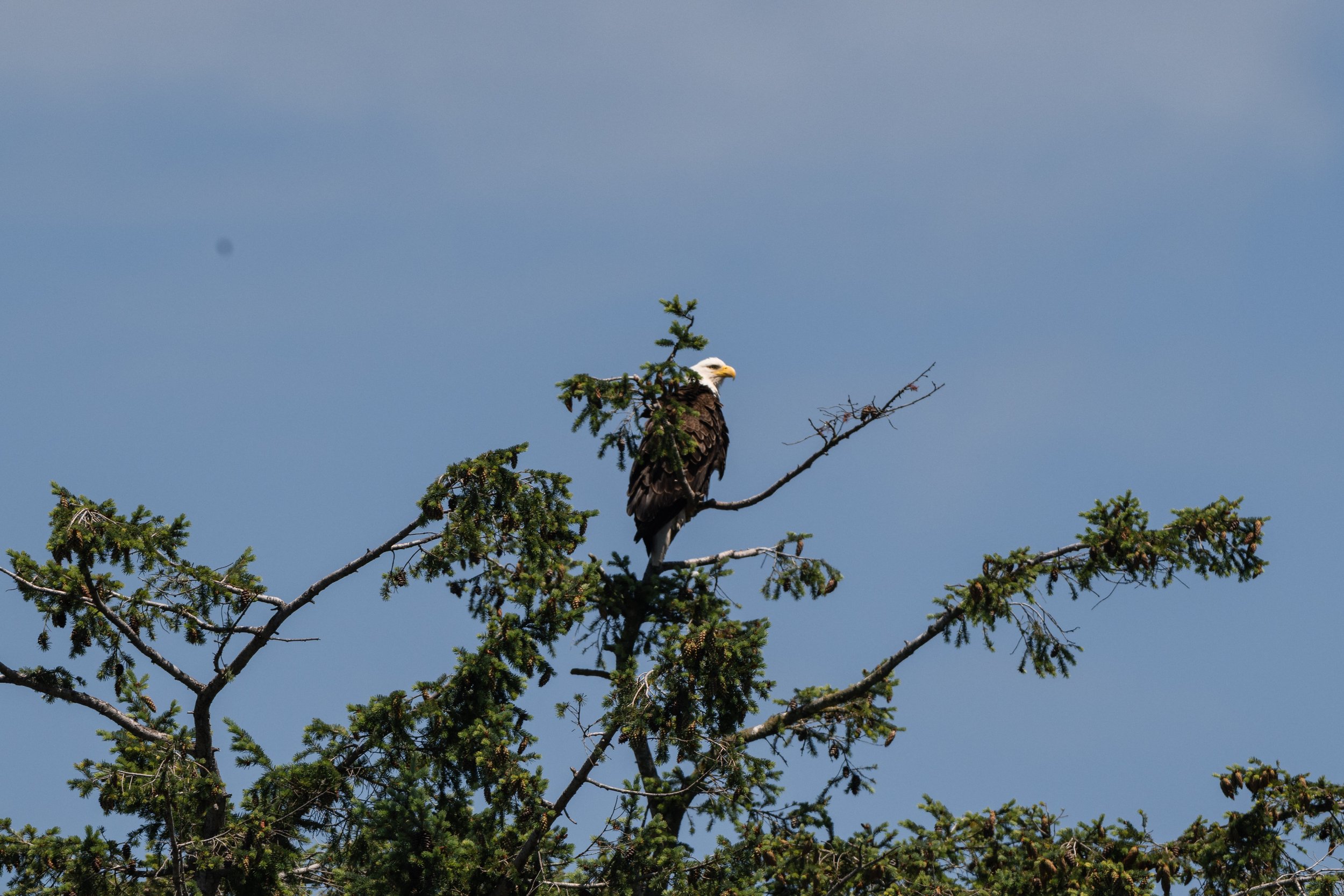
A Bald Eagle watching from the treetop. Photo by Aly Kohlman.
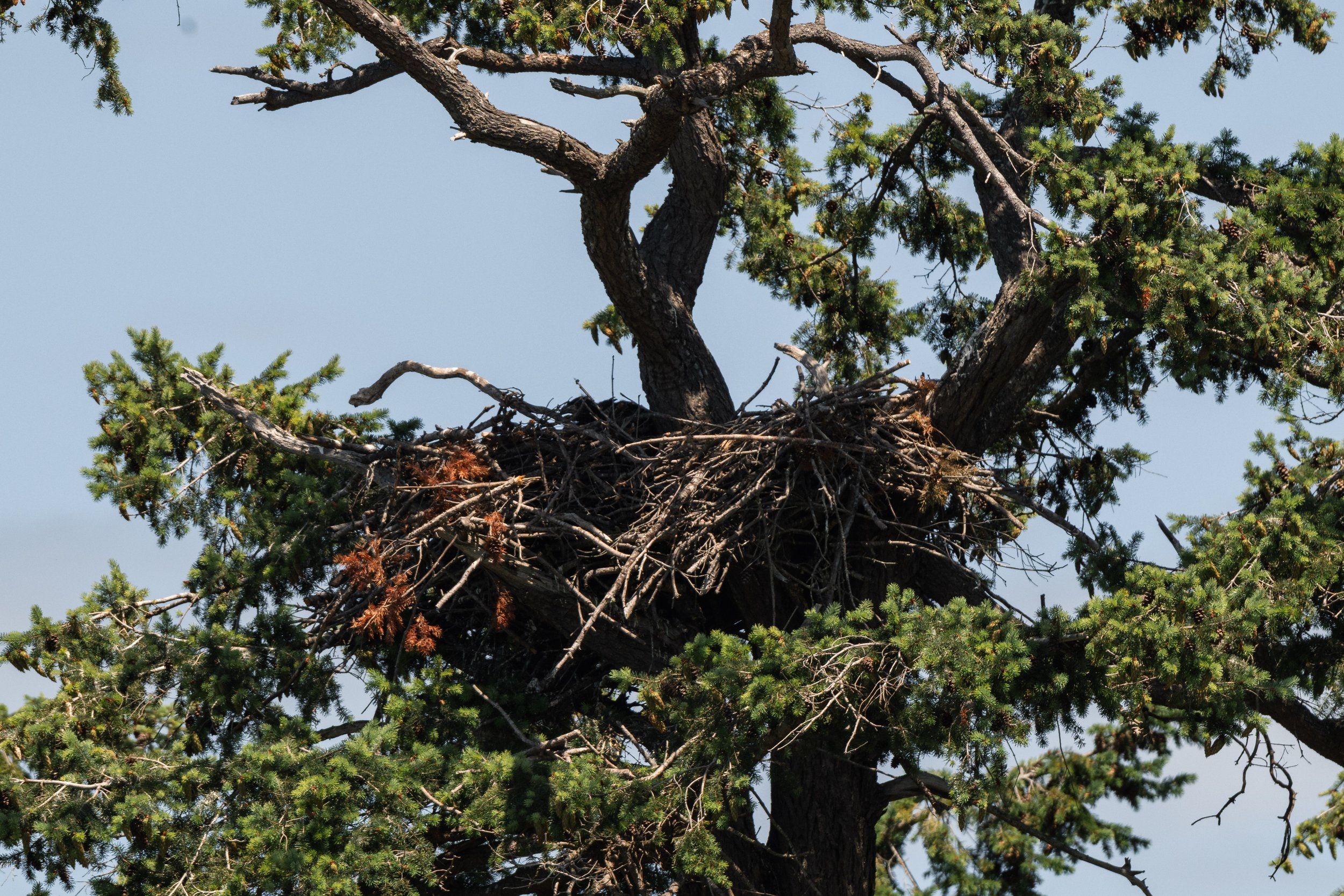
A baby eagle in the nest. Photo by Aly Kohlman.
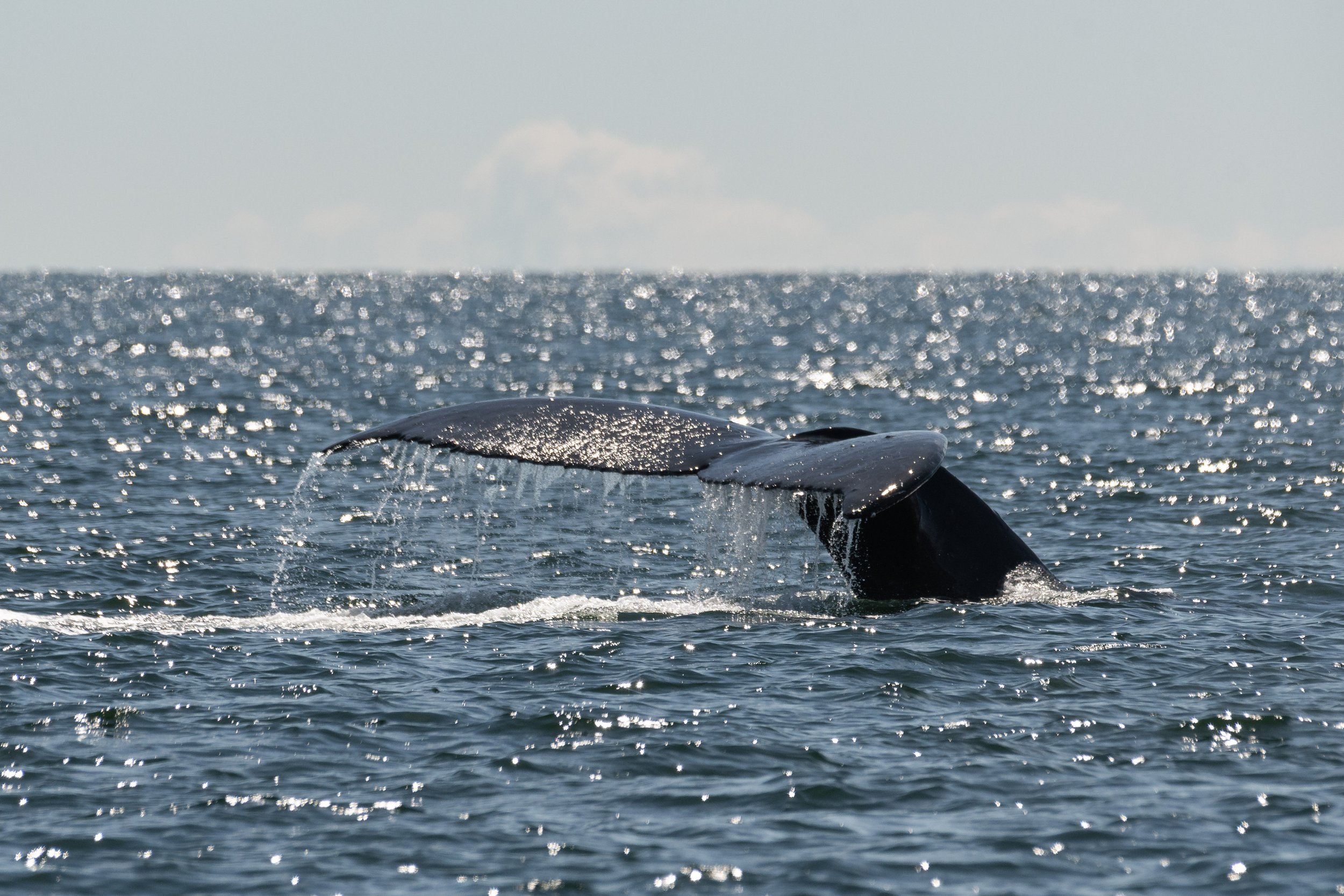
Zig Zag going for a dive. Photo by Evan Hessels.
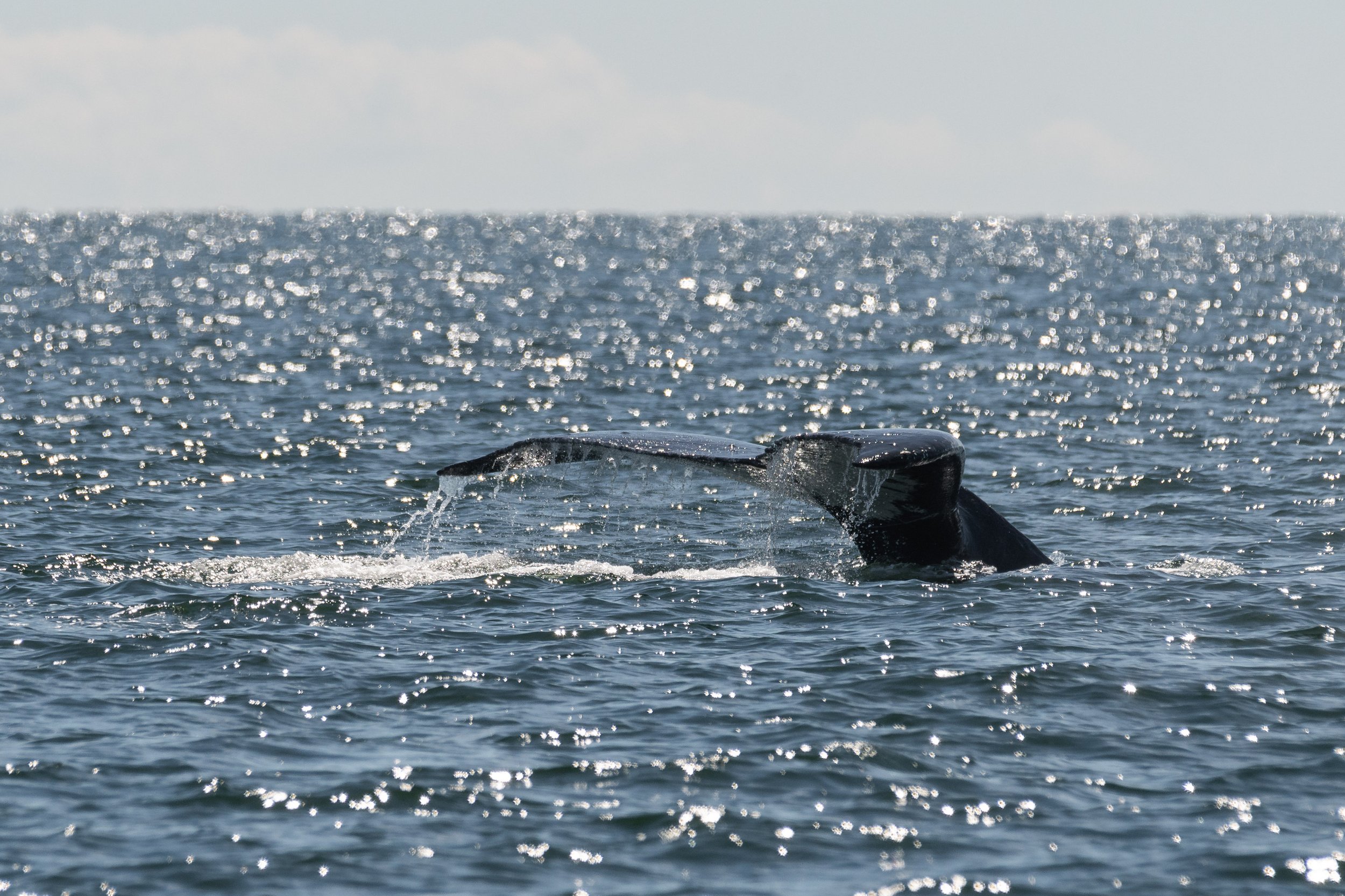
Split Fin going for a dive. Photo by Evan Hessels.
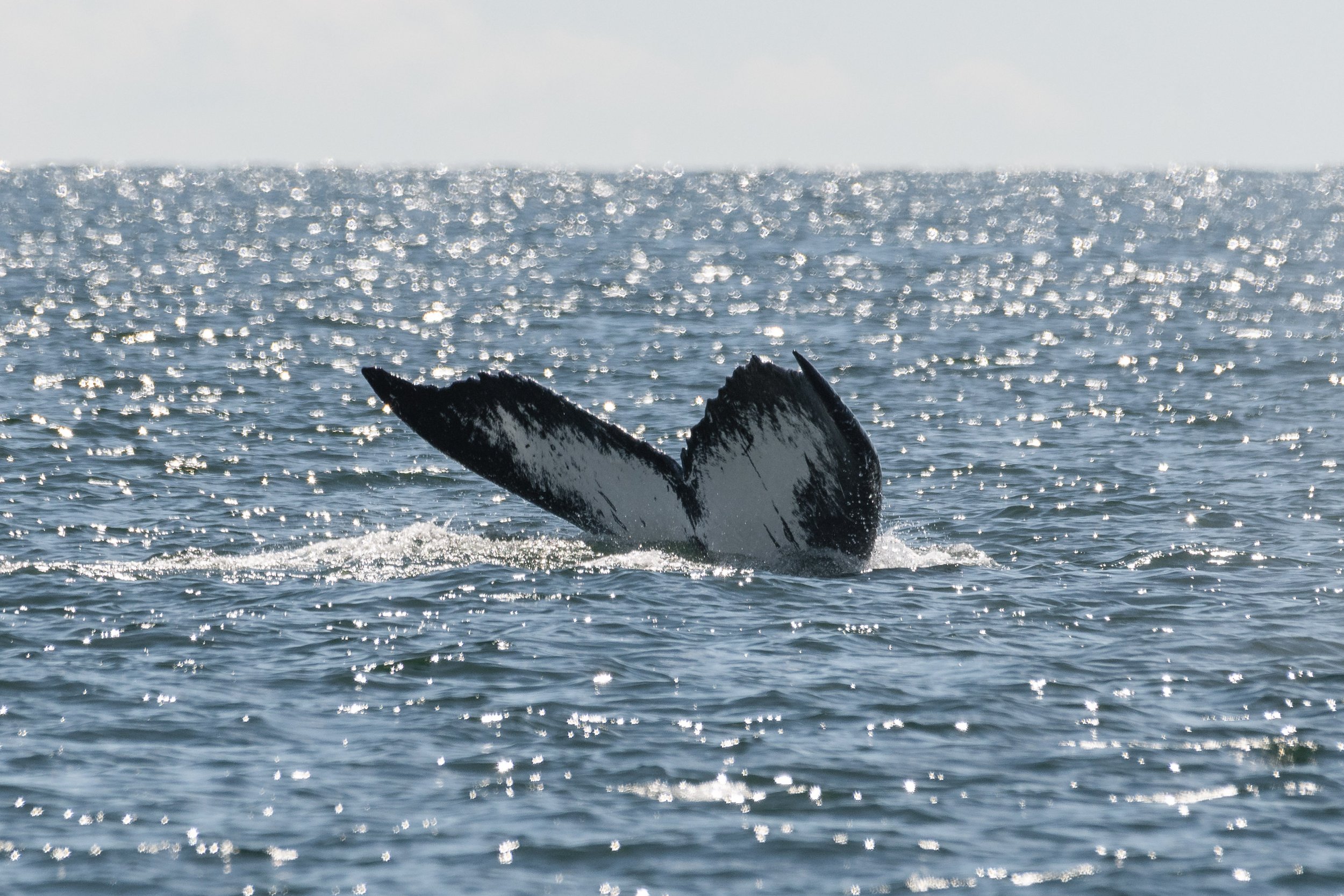
The striking white underside of Split Fin’s tail. Photo by Evan Hessels.
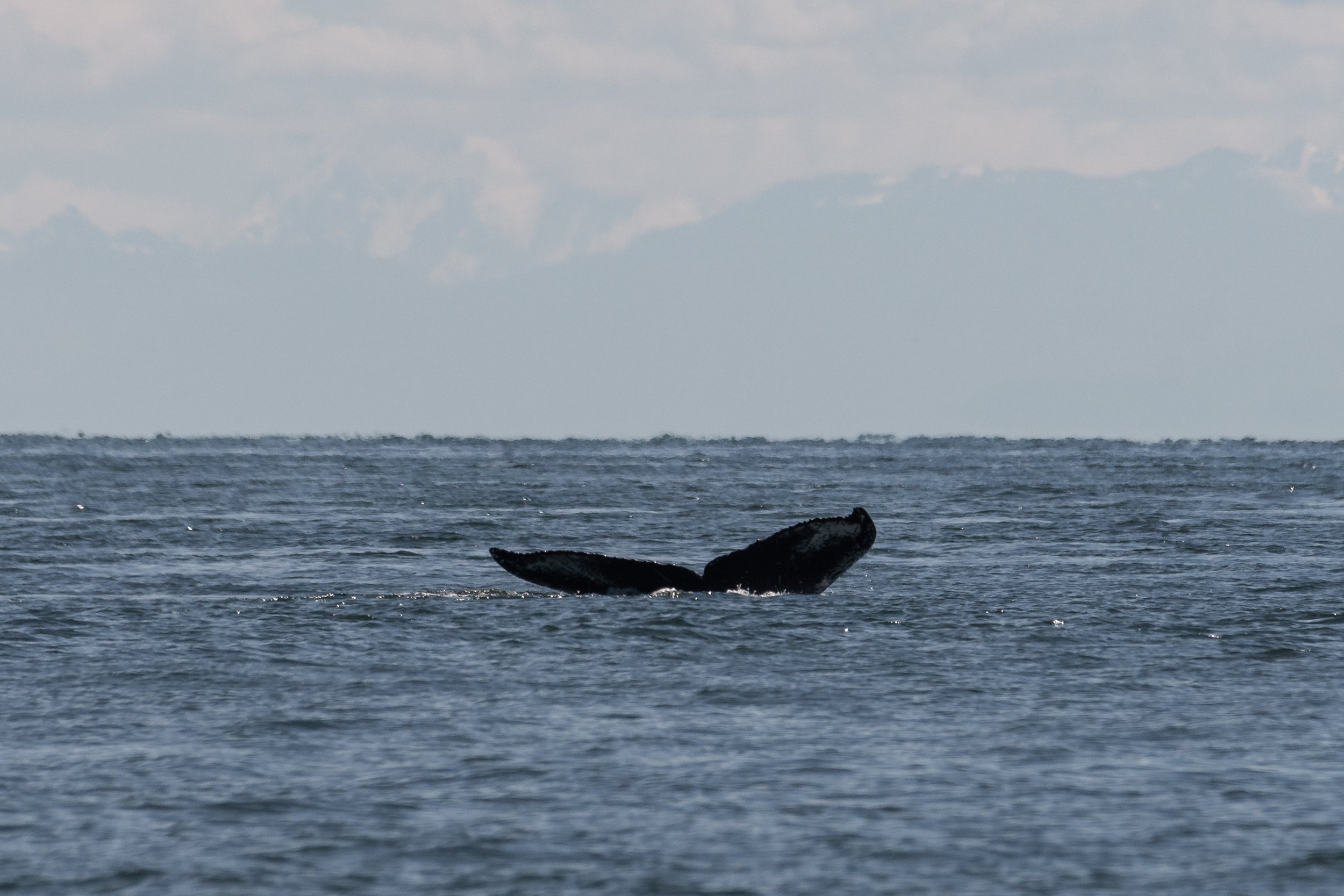
Bagheera lifting their tail to dive. Photo by Evan Hessels.
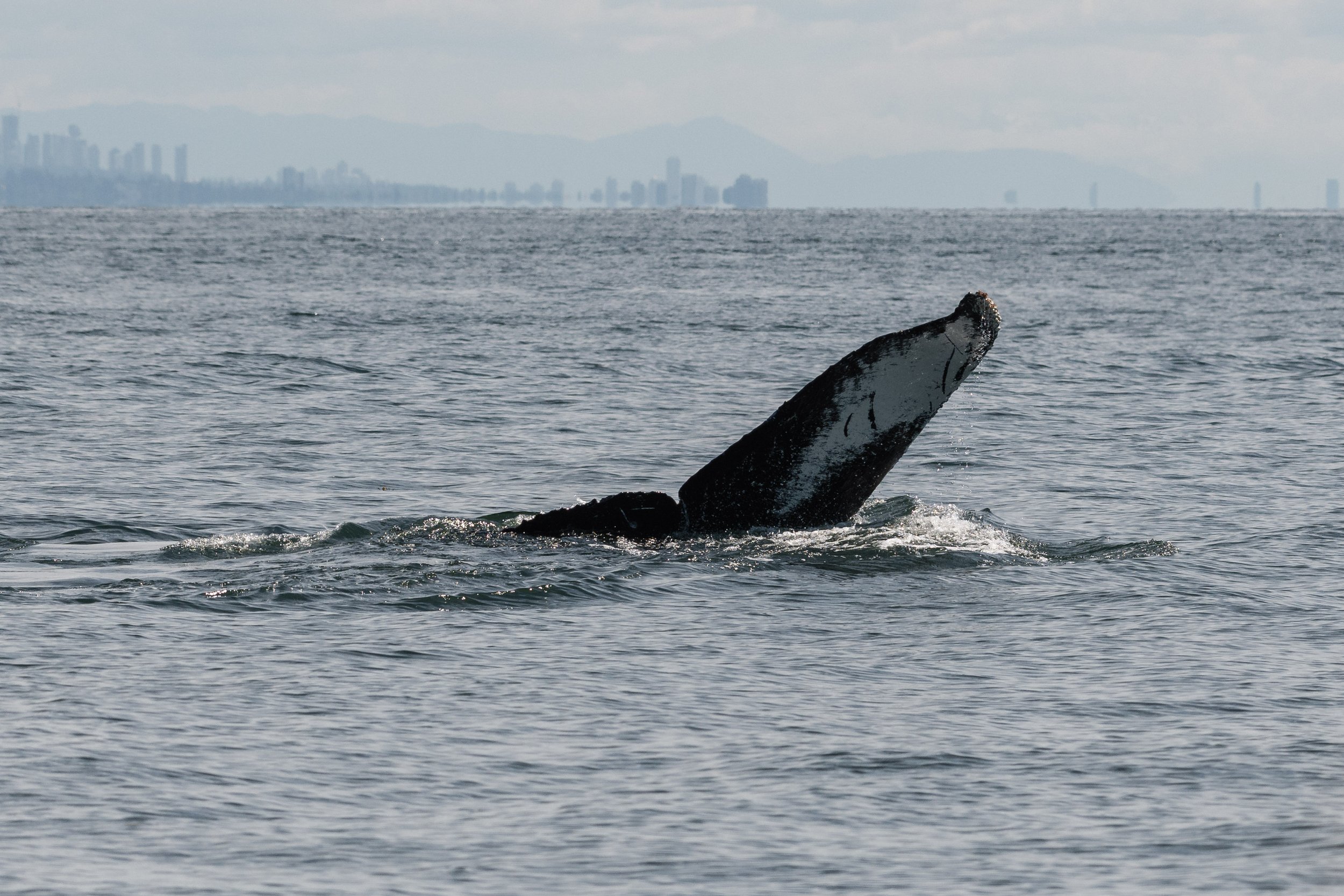
A little side fluke from Kraken. Photo by Evan Hessels.
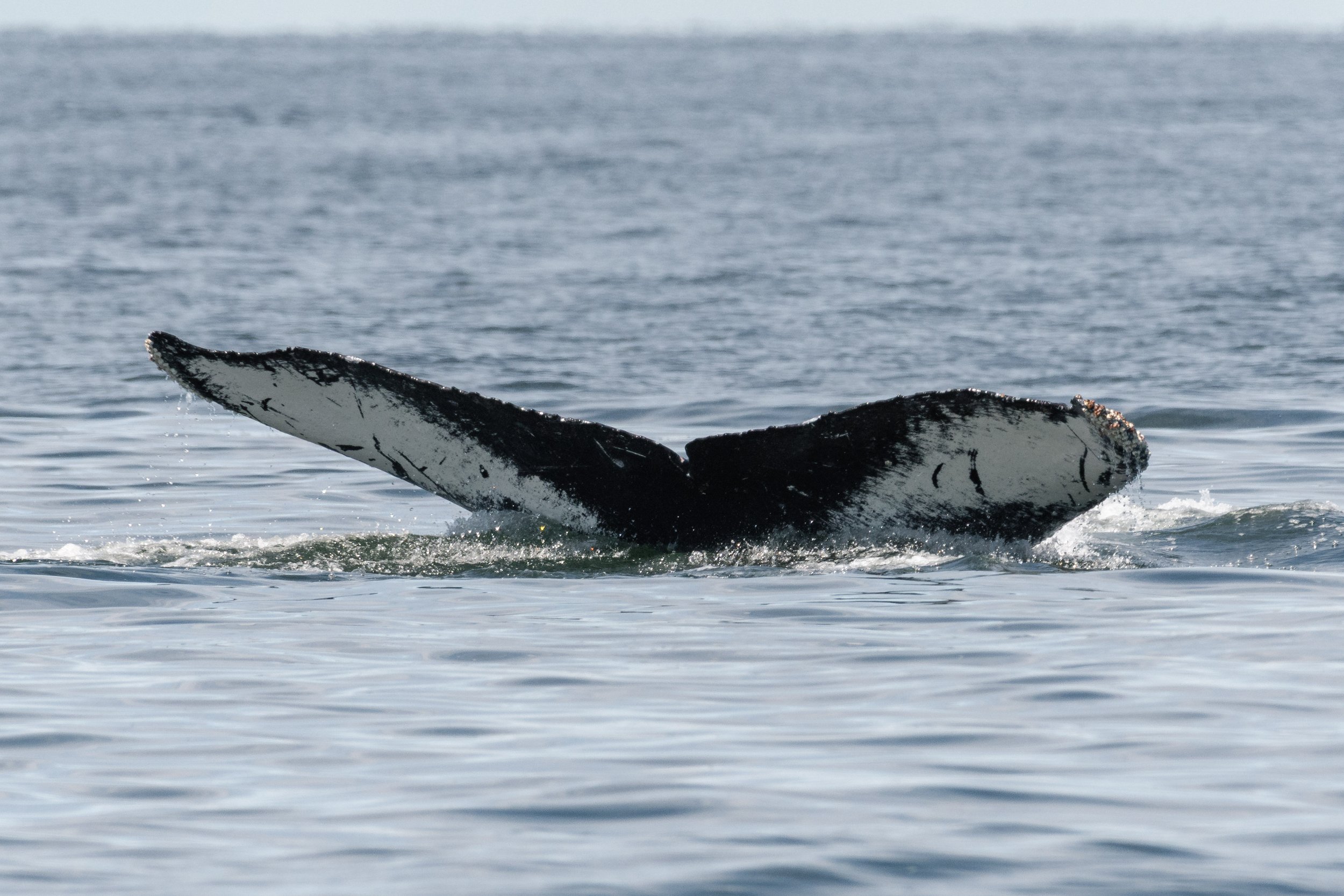
Kraken’s entire fluke as he dives. Photo by Evan Hessels.
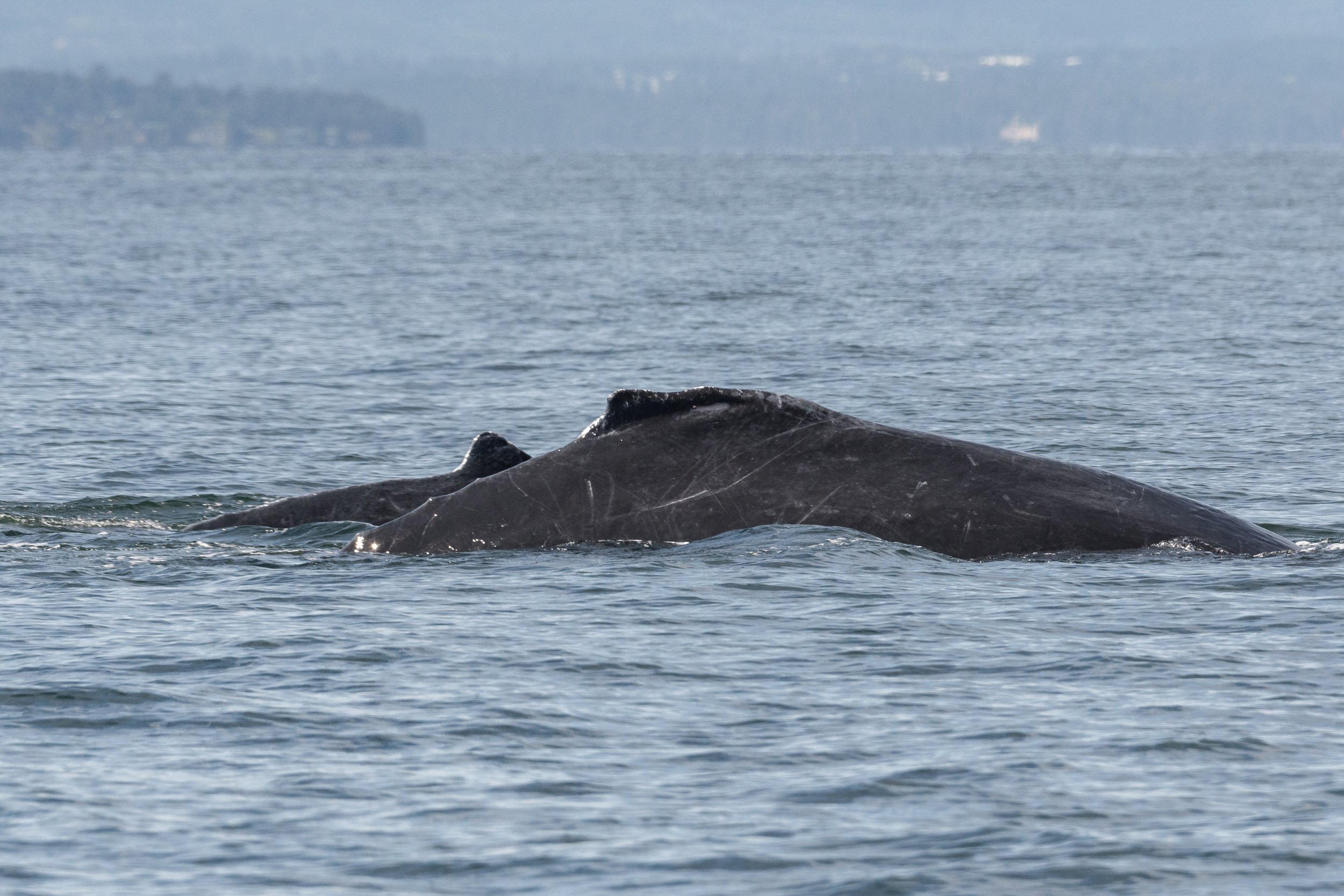
Kraken and Beak surfacing together. Photo by Evan Hessels.
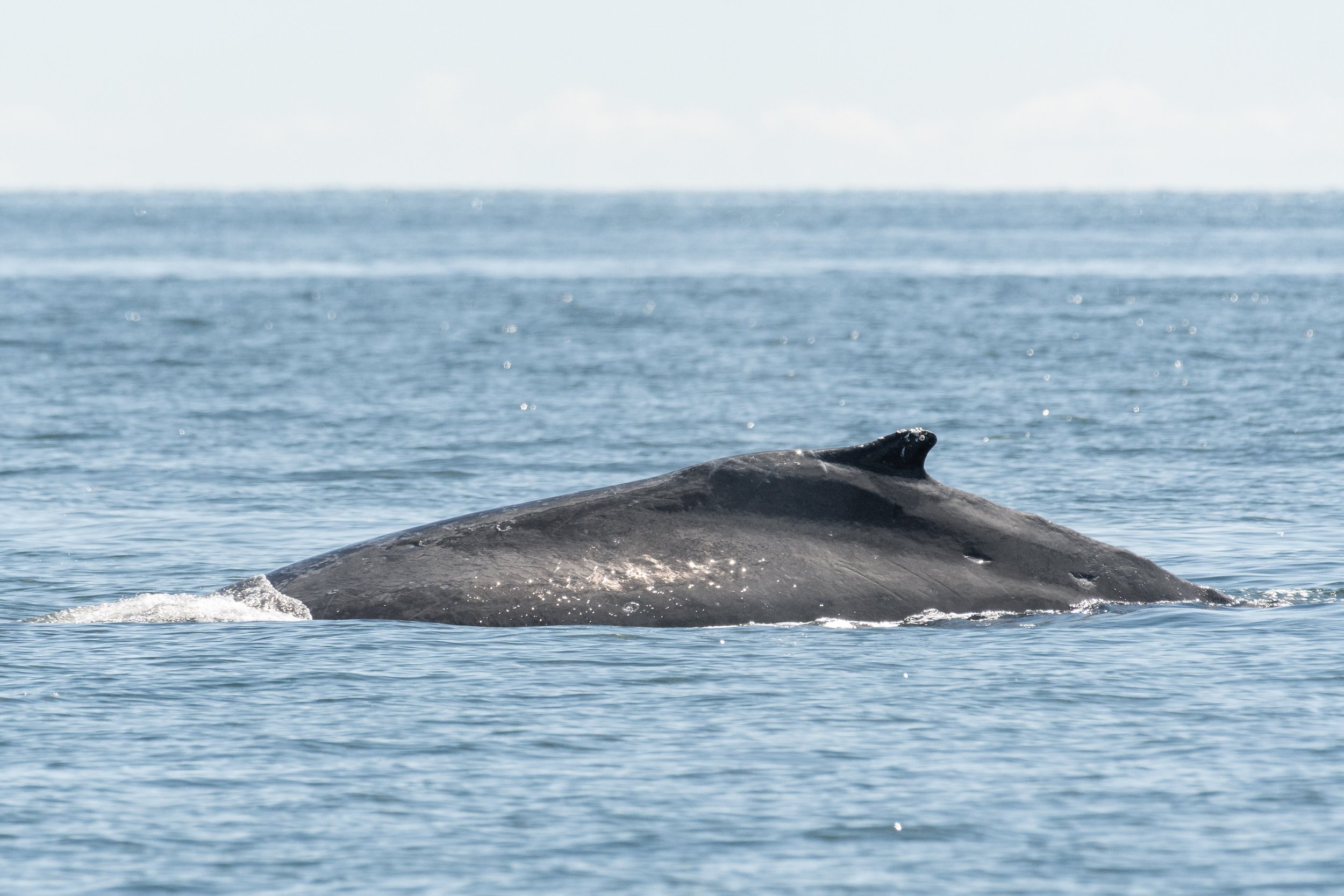
Watson/Cerulean swimming by. Photo by Evan Hessels.
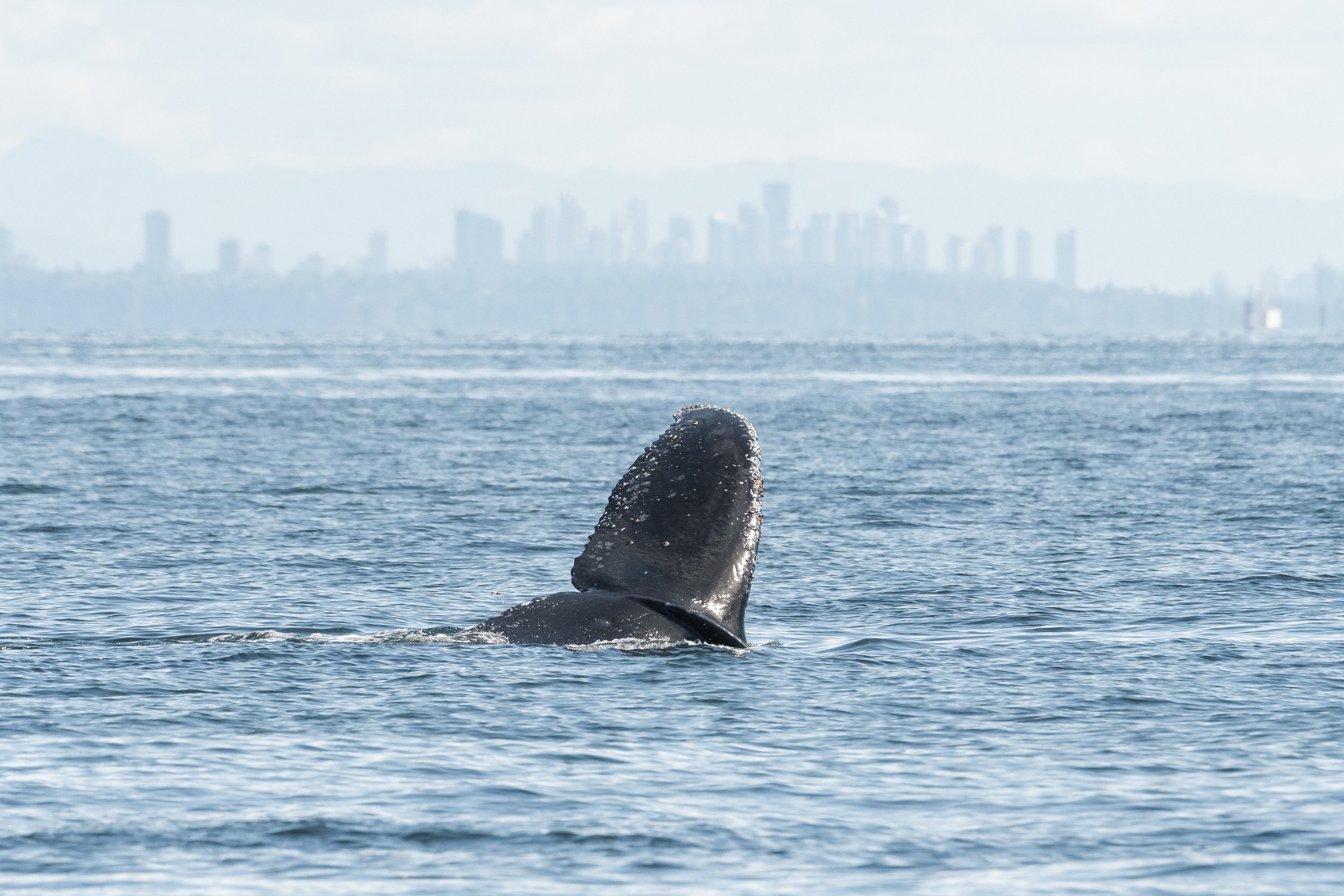
The top part of Watson’s tail as she dives. Photo by Evan Hessels.
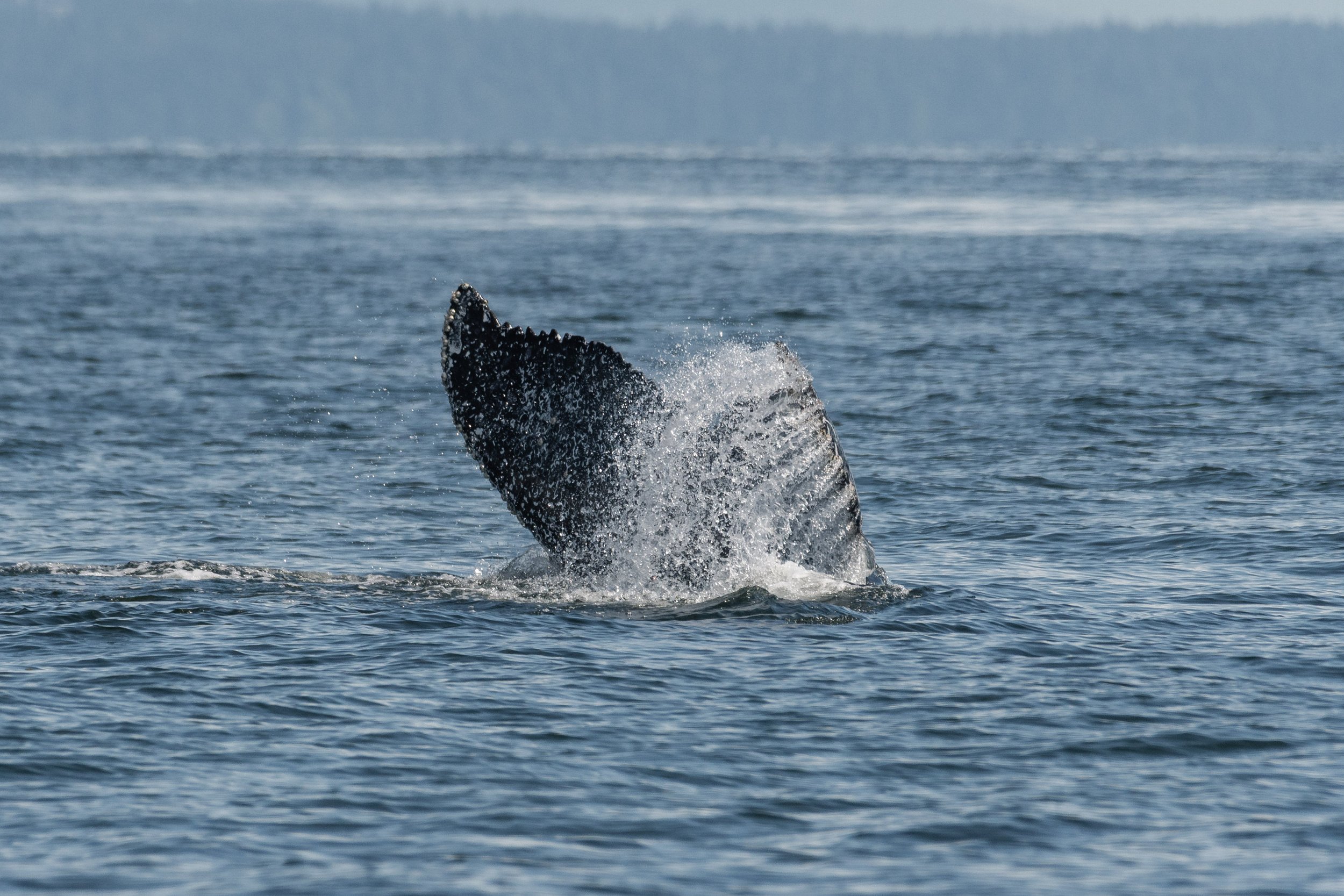
Watson/Cerulaen flicking her tail at the surface. Photo by Evan Hessels.
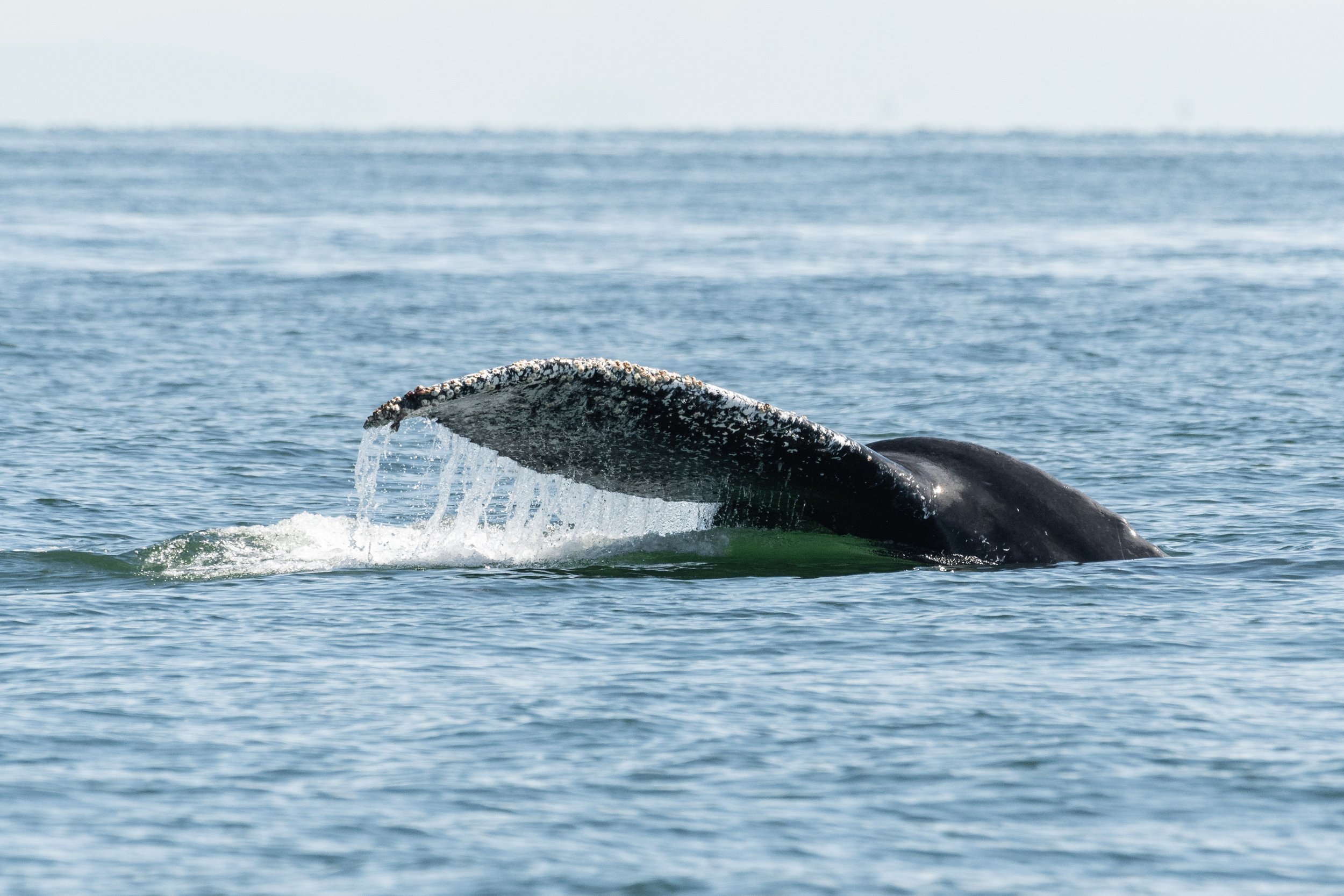
Watson/Cerulea creating a beautiful fluke waterfall. Photo by Evan Hessels.
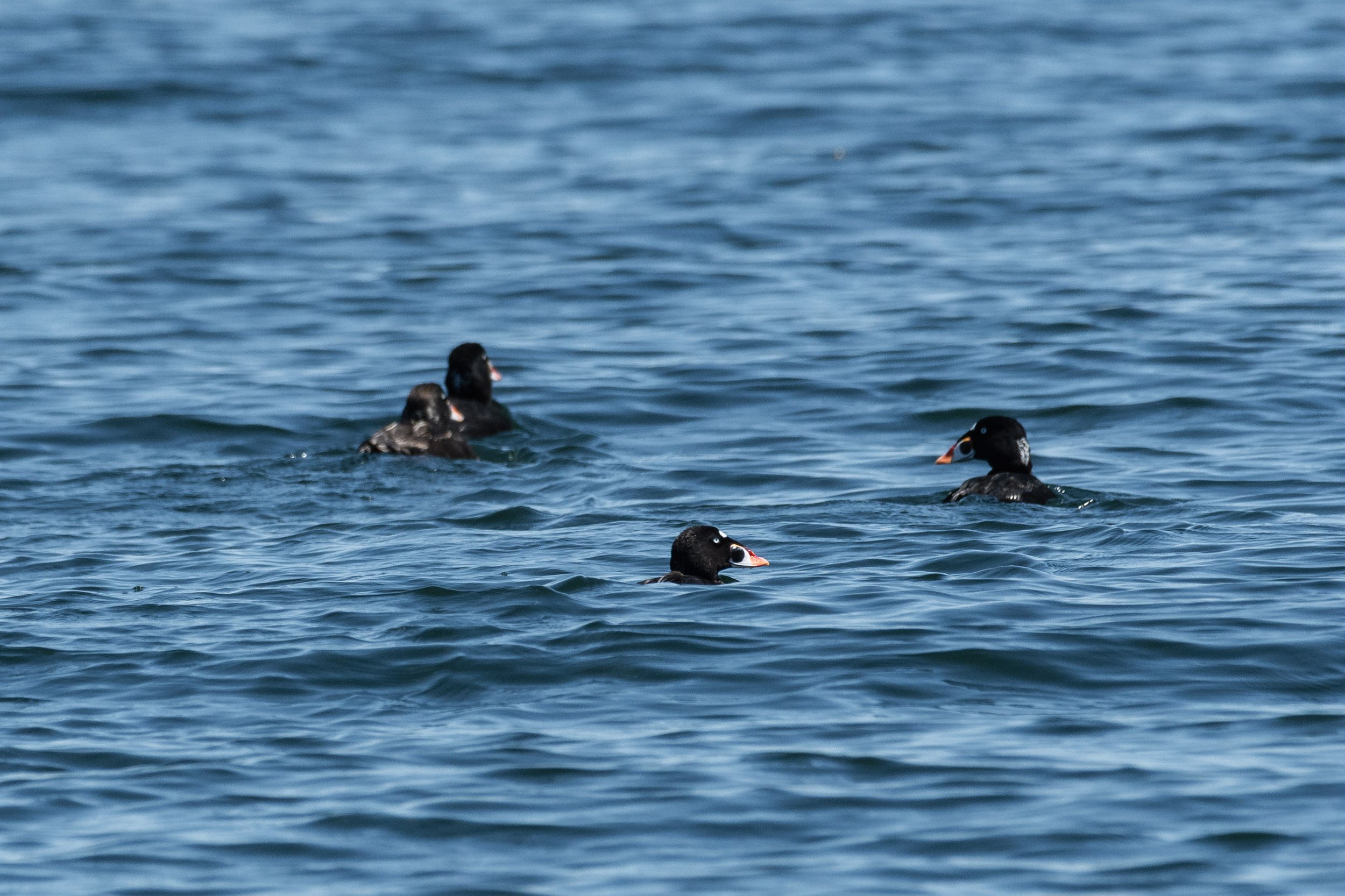
Some surf scooters flying by. Photo by Evan Hessels.
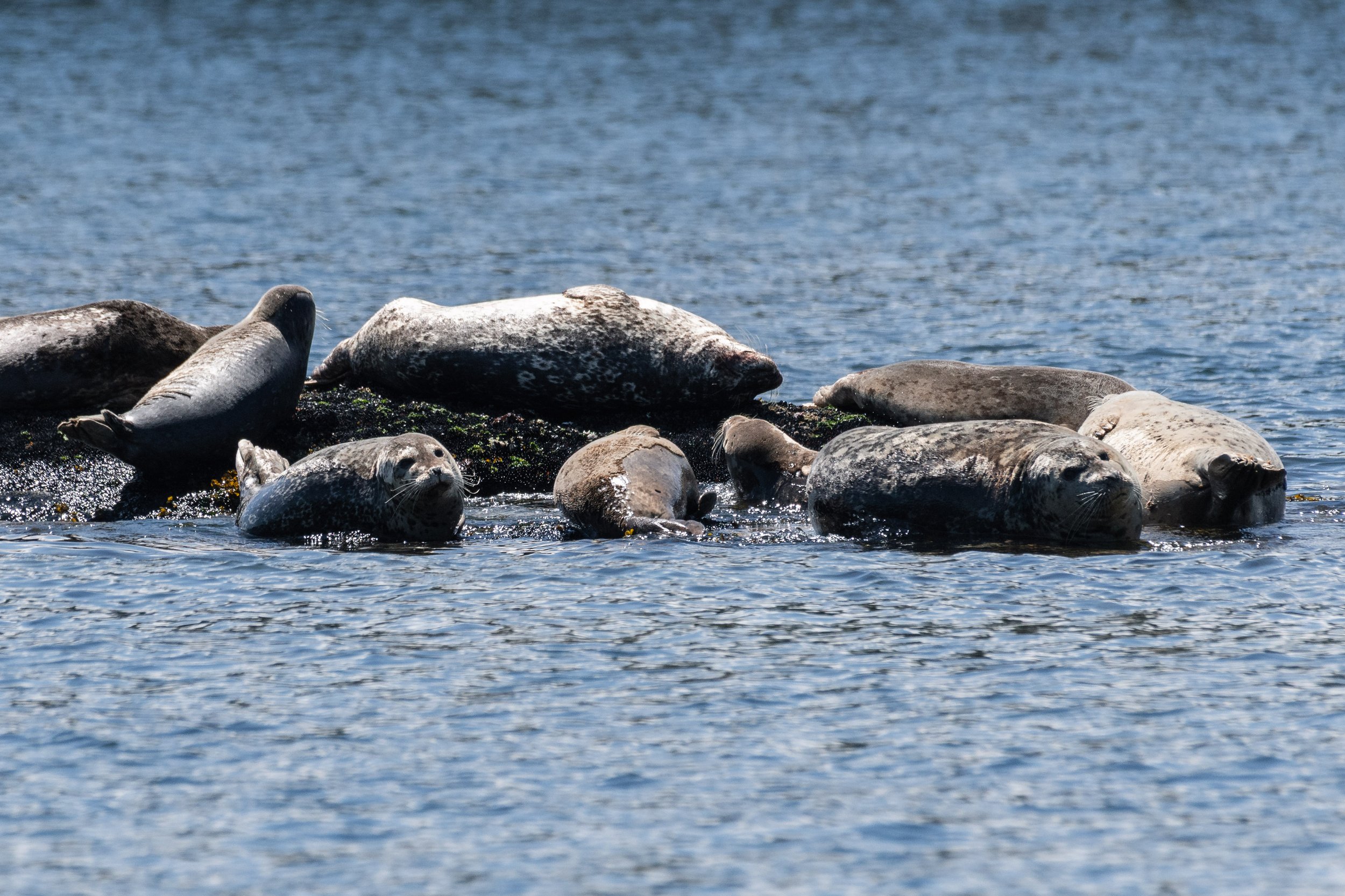
A bunch of Harbour Seals hauled out on the rocks. Photo by Evan Hessels.
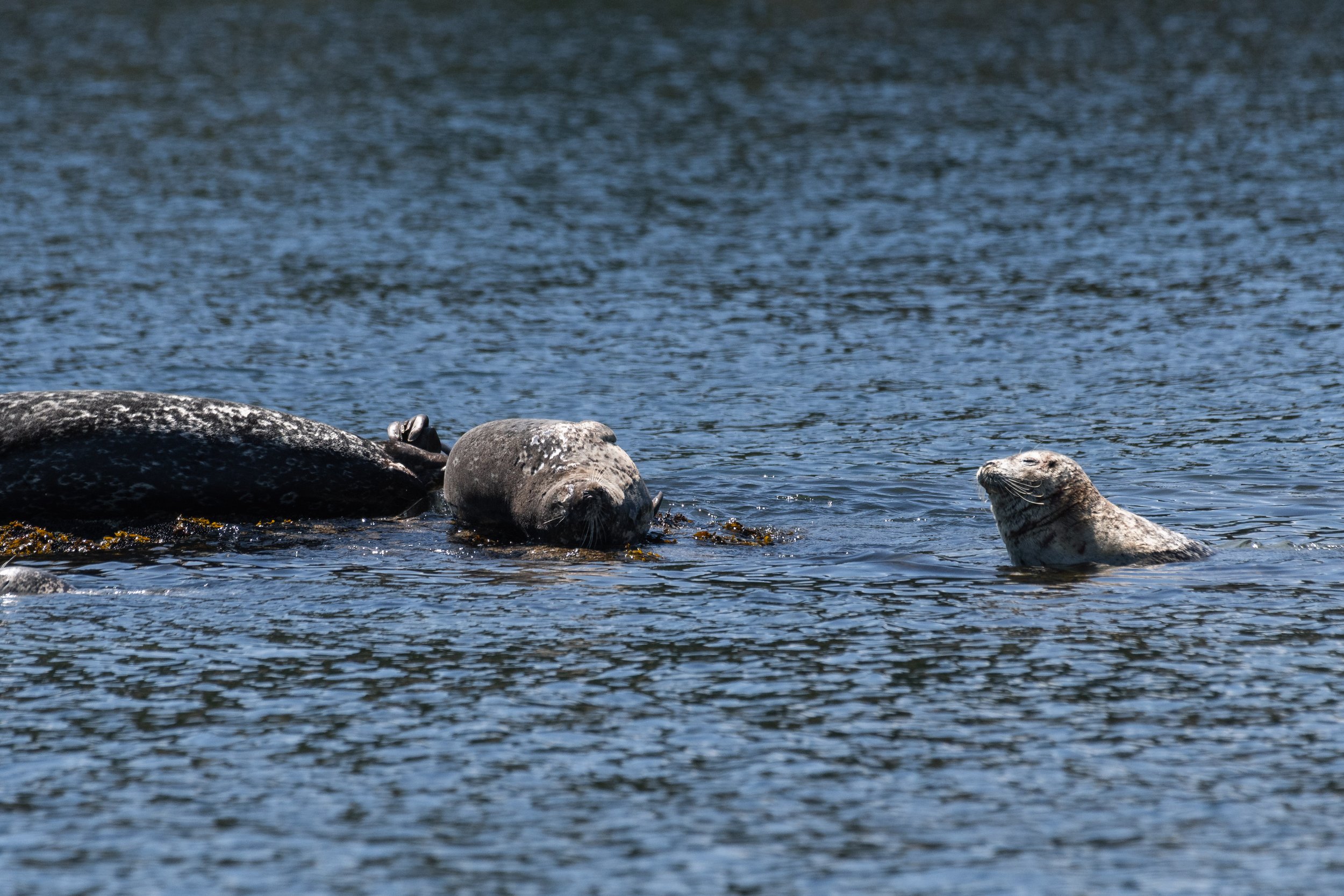
Some cute Harbour Seals enjoying the sunshine. Photo by Evan Hessels.
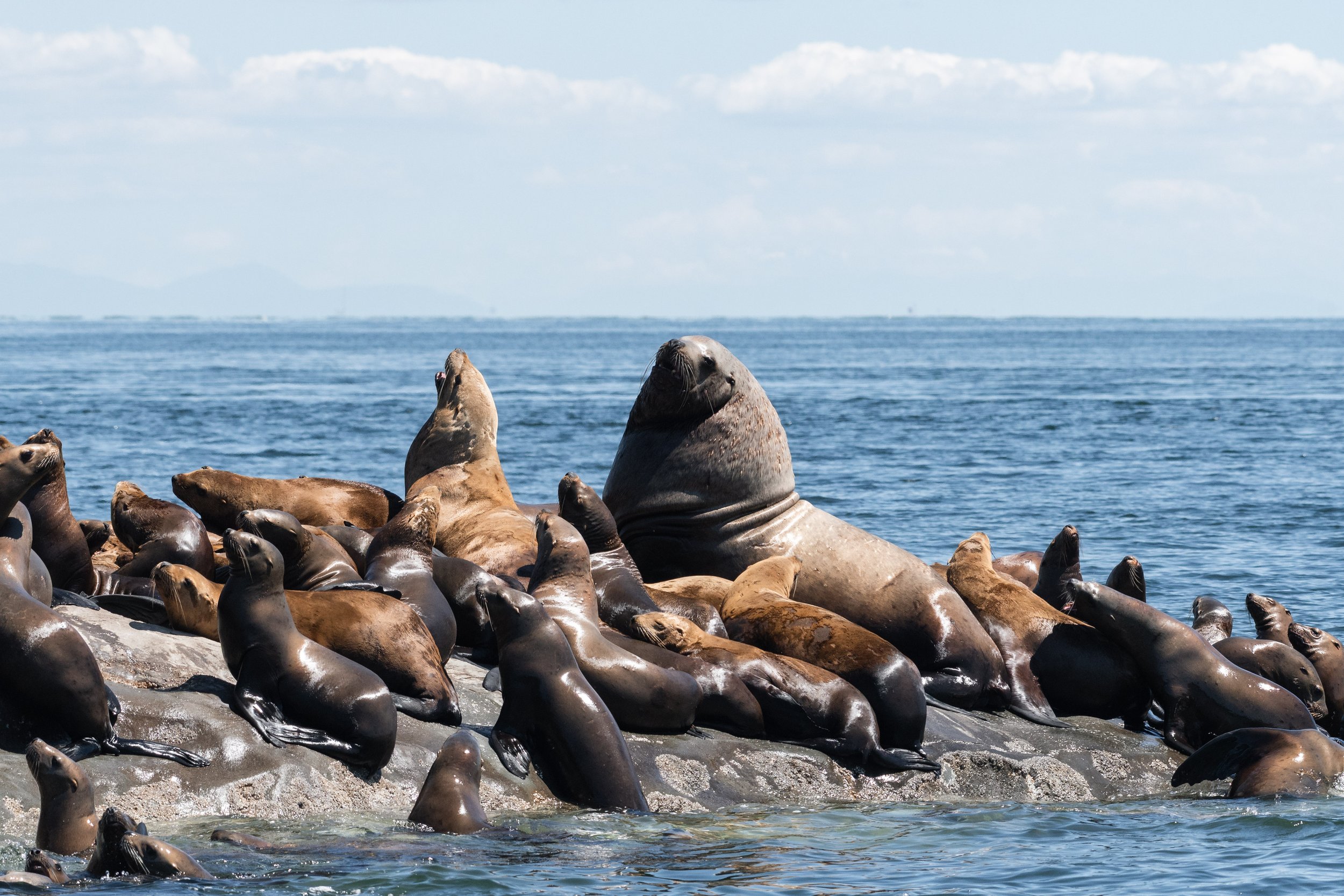
Look at how huge the Male Steller Sea Lion is compared to the others! Photo by Evan Hessels.
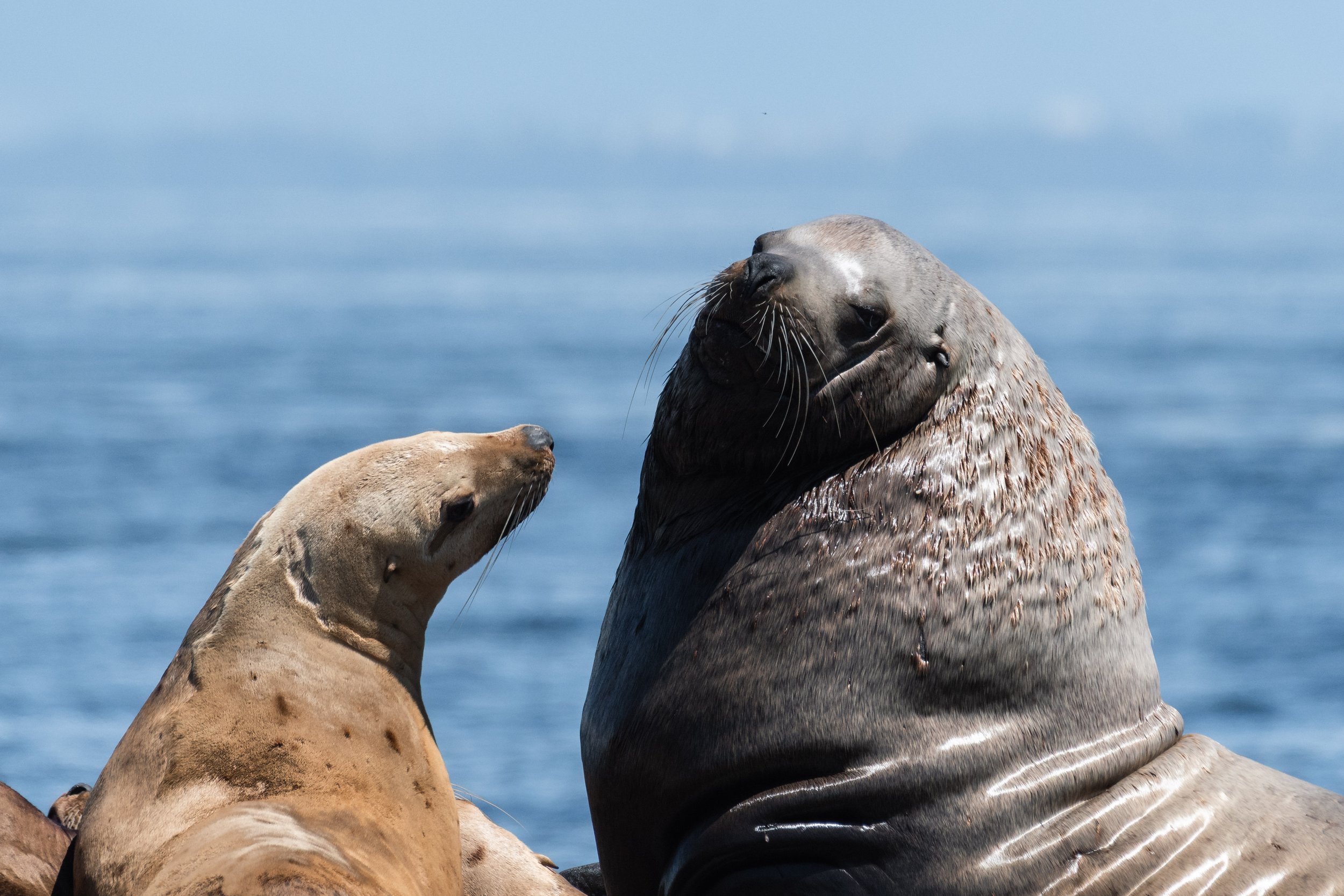
At least they aren’t fighting this time. Photo by Evan Hessels.
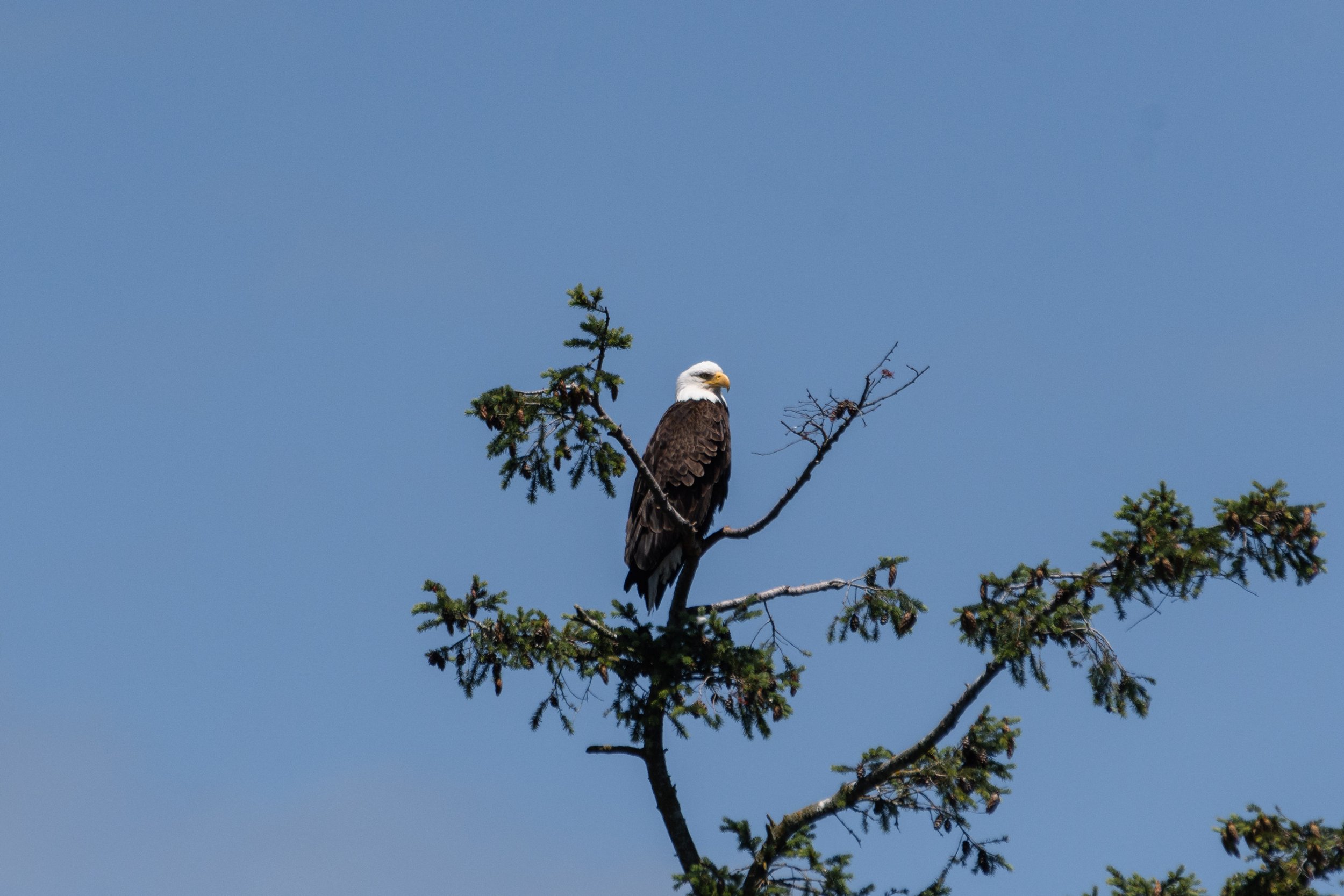
A Bald Eagle perched on the treetop. Photo by Evan Hessels.
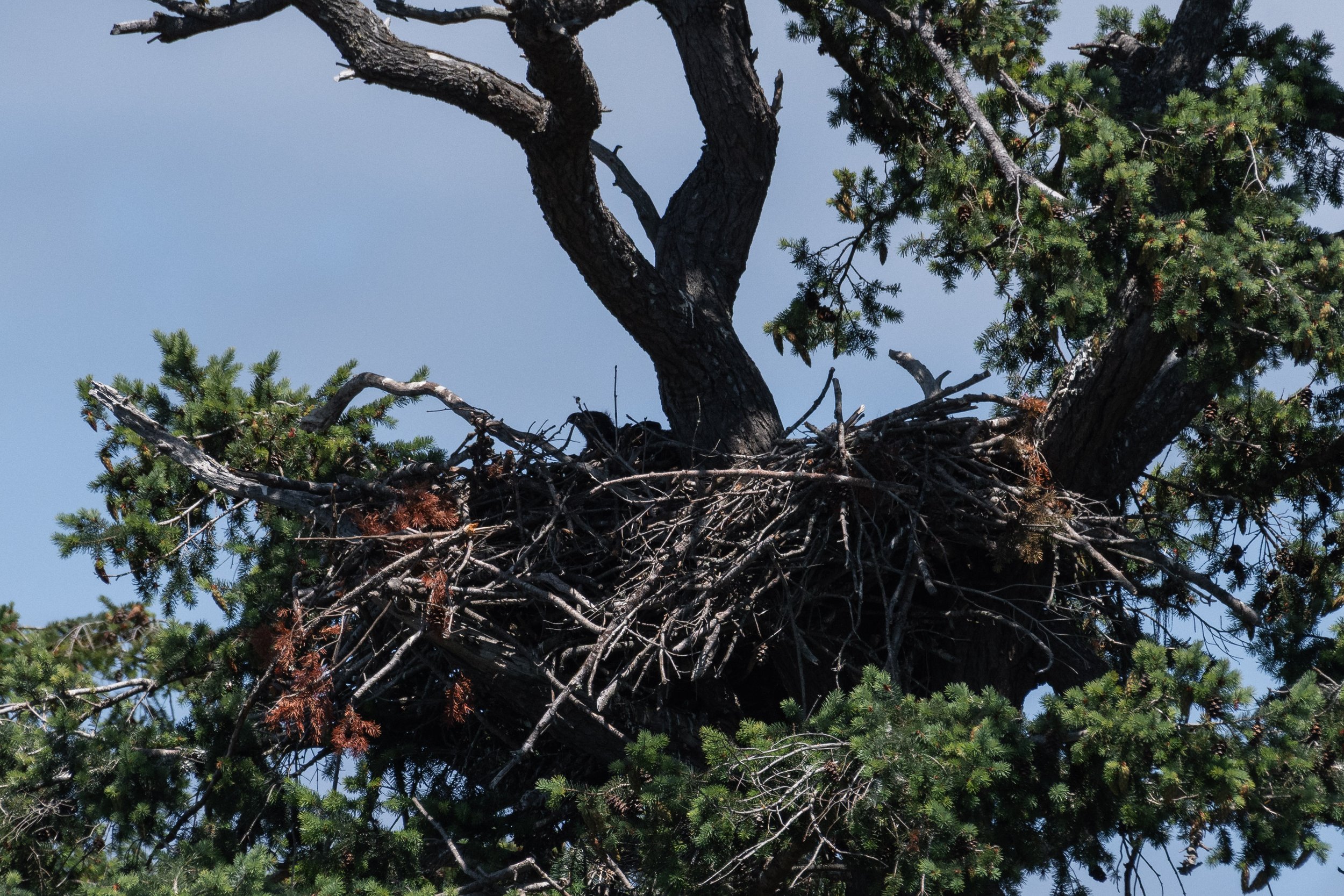
A nice look at the baby eagle in the nest. Photo by Evan Hessels.
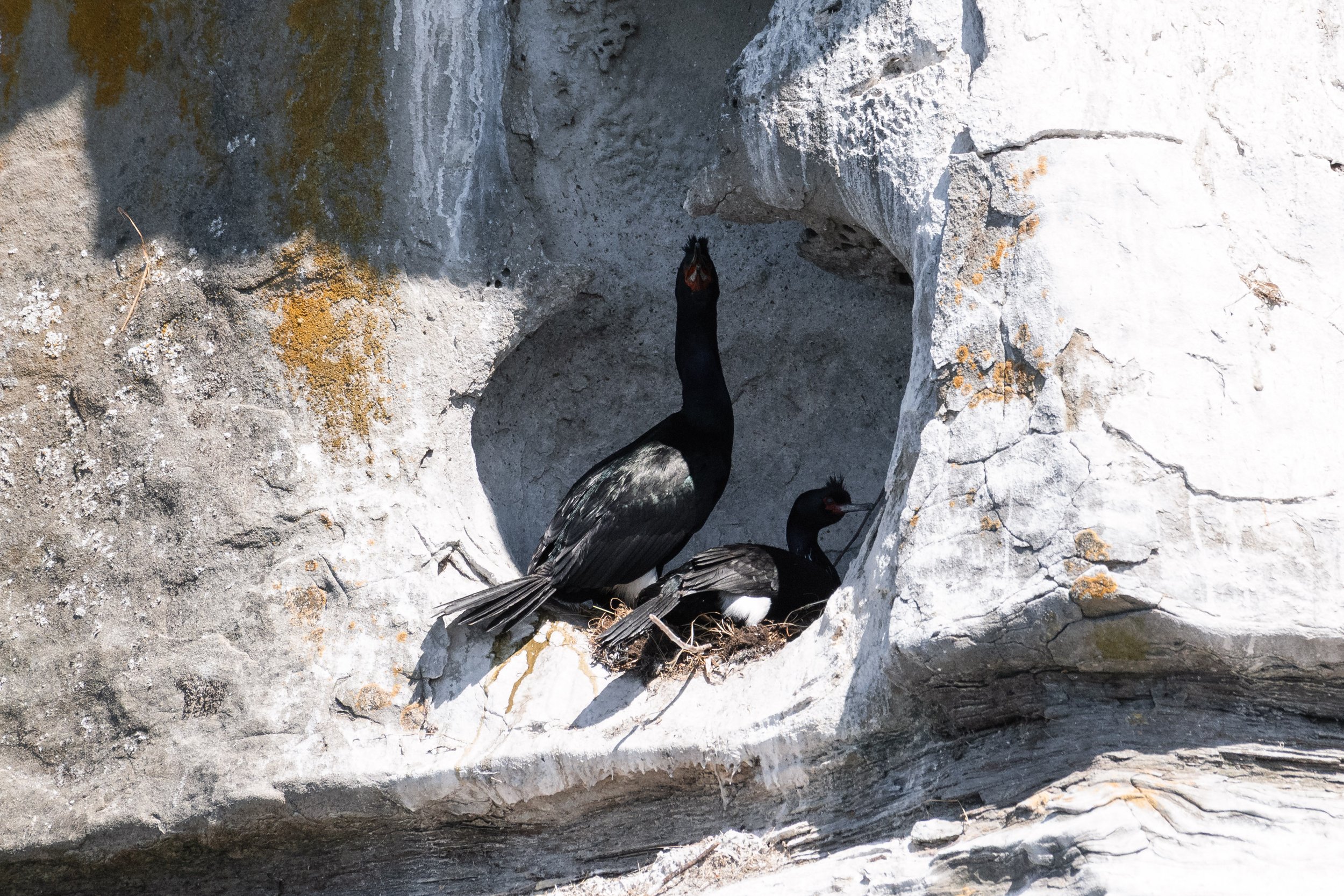
Pelagic cormorants at the Gabriola Bluffs. Photo by Evan Hessels.
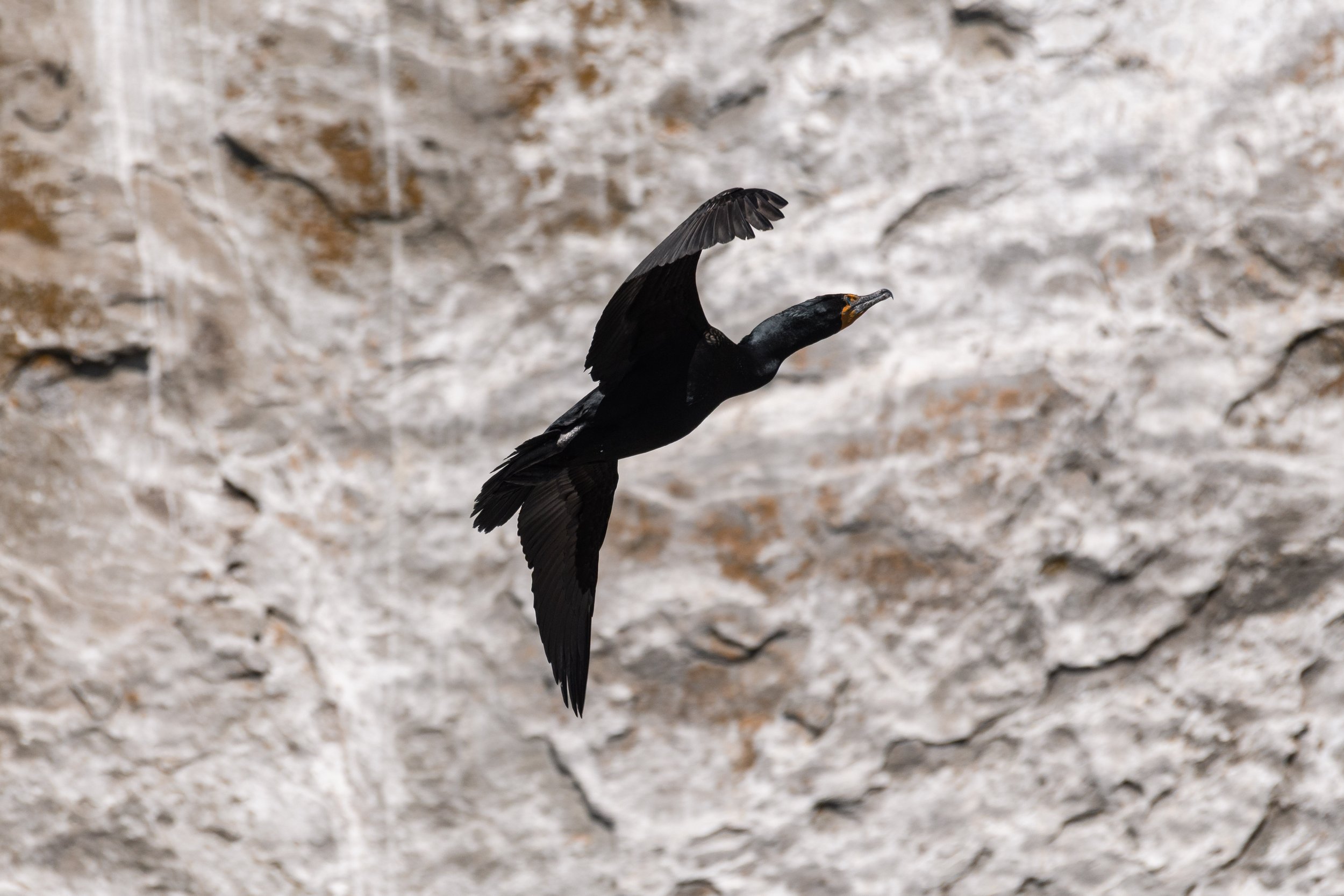
A cormorant flying by. Photo by Evan Hessels.