
May 28, 2026 - Seven swimming Cetaceans.
A sunny morning in the Strait of Georgia awaited us as we cast off from the dock aboard Kula and Keta. One of the questions we hear most often from guests is: "How do you find the whales every day?"Many people are surprised to learn that the whales we encounter are not chipped, GPS-tracked, or tagged. For the most part, finding whales is still a very old-fashioned process. We rely on our knowledge of whale behaviour, recent sightings from other researchers and mariners, and most importantly, our eyes. Our captains and naturalists spend countless hours scanning the horizon for the telltale signs of whales, towering blows, splashes, flocks of feeding birds, or even subtle changes in the water's surface. Every day begins as a search, and every sighting is earned.
It wasn't long before Kula spotted our first blow. Then another. Out came Aly's zoom lens as we worked to identify the whales from a distance. One of the primary ways we identify humpback whales is by photographing the undersides of their tails, known as flukes. Much like a human fingerprint, every humpback's fluke pattern is unique. The pigmentation, scars, scratches, and trailing-edge shapes allow researchers to identify individuals year after year. Before we even saw a tail, however, we had a strong suspicion about which one of our whales it was. As she surfaced again, a distinctive bump on her side gave away her identity. It was Anvil (BCZ0410). The bump is actually the site of a healed satellite tag scar. Years ago, researchers commonly used satellite tags to track whale movements and gather valuable information about migration routes and habitat use. While those studies provided important scientific insights, advances in technology have reduced the need for invasive tagging methods. Today, researchers can accomplish much of the same work through photo-identification catalogues, citizen science programs, and collaborative databases that allow sightings to be shared across vast regions.
Organizations throughout the Pacific Northwest now contribute photographs and sightings to online catalogues and research networks. While these methods may not provide real-time location data, they allow researchers to track individual whales over decades while minimizing disturbance to the animals. The result is a healthier, less intrusive approach to studying these remarkable giants, and healthy whales are ultimately what matter most. Anvil wasn't alone. Feeding alongside her was another familiar humpback, Split Fluke (BCX1068). This whale's name is about as descriptive as it gets. A large notch/split in the tail creates one of the most recognizable flukes in our local population. In fact, Split Fluke is often identifiable from hundreds of metres away, long before a photograph is even needed. After spending some time with the pair as they fed through the productive waters of the Strait, we left them to continue their morning meal and headed toward another report. Keta had located a second pair of humpbacks nearby.
This time Evan had the camera ready, hoping to capture those all-important tail photographs. While humpback tails are the gold standard for identification, dorsal fins can also be useful. The shape of the fin, along with scars and markings, can sometimes help narrow down an individual's identity. However, dorsal fins are often more difficult to photograph and generally provide fewer unique characteristics than the underside of a tail. That's why naturalists get particularly excited whenever a humpback lifts its flukes high before a deep dive. This pair was identified as Moraine (BCY1465) and Bagheera (BCY1471). Like the first pair, they appeared focused on feeding. That comes as little surprise this time of year. Many of our early-season humpbacks have recently returned from their winter breeding grounds in Hawaii or Mexico. During migration and throughout much of the breeding season, humpbacks feed very little, if at all. Upon returning to British Columbia's rich feeding grounds, their priority is simple: eat as much as possible. These whales are essentially rebuilding the energy reserves they will need for another migration later this year. Watching Baheera and Moraine surface in near-perfect synchrony was a wonderful reminder of the grace and coordination these massive animals possess.
Back into search mode we went, but we didn't travel far before spotting two more towering blows rising above the water. Out came the cameras once again. This time, we quickly recognized one whale as Malachite (BCY1463), another familiar fin from previous seasons. The second whale took a little more detective work. Comparing photographs and consulting identification catalogues, we eventually determined the companion was BCY1059 calf 2024. Unlike some of the feeding-focused pairs we had encountered earlier, these two seemed particularly energetic. There were more direction changes, more surface activity, and an overall sense of playfulness. While it's impossible to know exactly what whales are thinking, they appeared to have already found a good meal and perhaps had a little extra energy to spare. Eventually, it was time to begin our journey back toward Nanaimo. As often happens, the whales had one final surprise in store.
Keta spotted another humpback just before heading home. Evan managed to capture a few quick photographs and confirm the identity, it was Poptart (BCY1014). This familiar whale appeared to be actively feeding, surfacing repeatedly as it worked through a productive patch of water. Even a brief encounter with a known individual is always rewarding, adding another piece to the ongoing story of these whales and their use of the Salish Sea.
As we rounded the corner toward home, the wildlife viewing continued. The beautiful Gabriola Bluffs provided a stunning backdrop as we observed several seabird species, including Cormorants, perched on the rocks. We also saw Steller Sea Lions lounging on their haul-outs, while harbour seals rested on scattered rocks and watched us pass by with curious eyes throughout the tour.
By the time we returned to Nanaimo Harbour, we had identified seven individual humpback whales: Anvil, Split Fluke, Bagheera, Moraine, Malachite, BCY1059 calf 2024, and Poptart. Beyond the impressive whale count, the day offered a glimpse into the incredible work that goes into studying and protecting these animals. Every photograph contributes to long-term research, every sighting helps expand our understanding of whale movements, and every encounter reminds us how fortunate we are to share these waters with such remarkable creatures.
With sunshine overhead and humpbacks feeding throughout the Strait, it was another unforgettable day exploring the waters of the Salish Sea.
Photos below by Aly Kohlman and Evan Hessels.
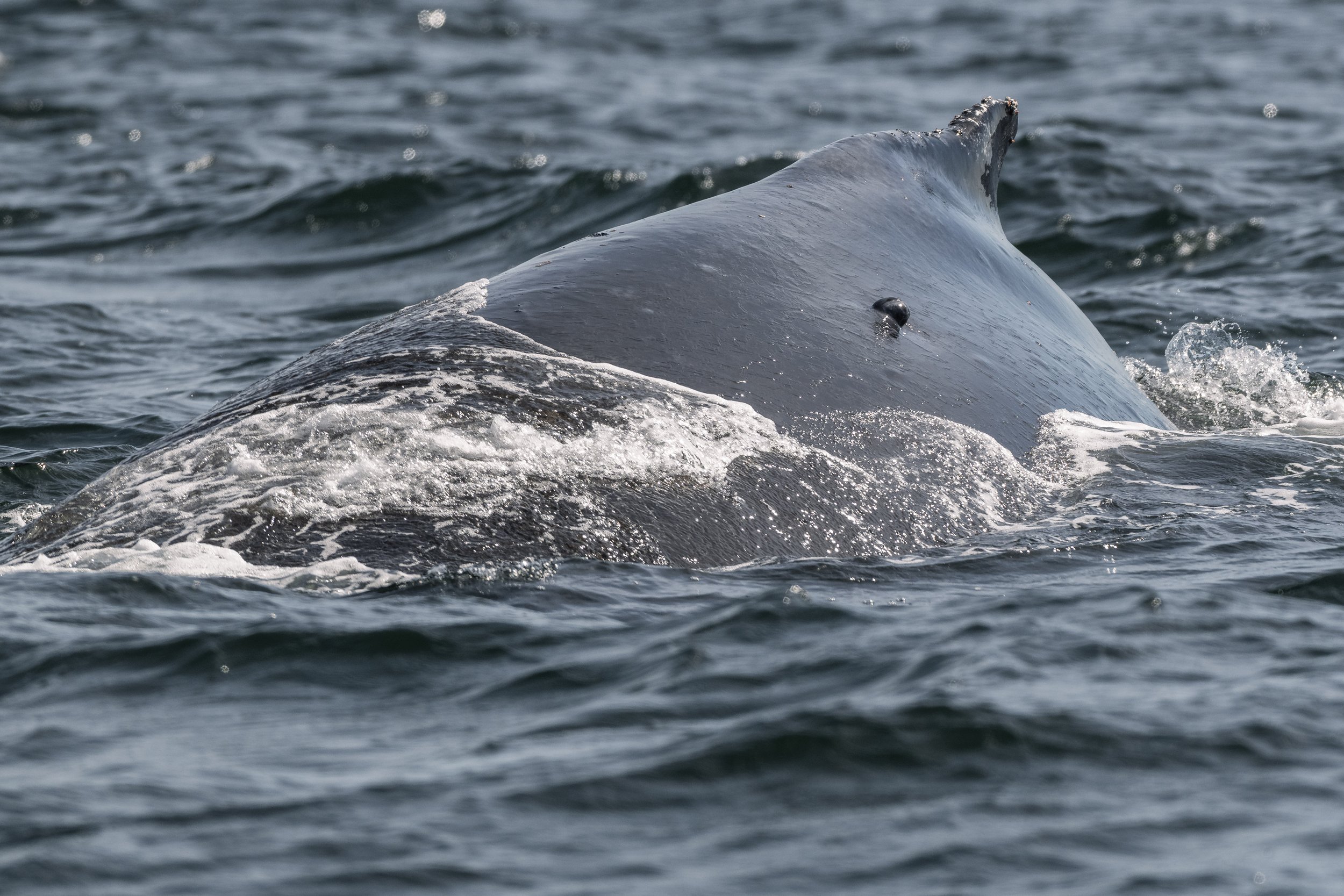
Anvil surfacing, can you spot her tag scar? Photo by Aly Kohlman.
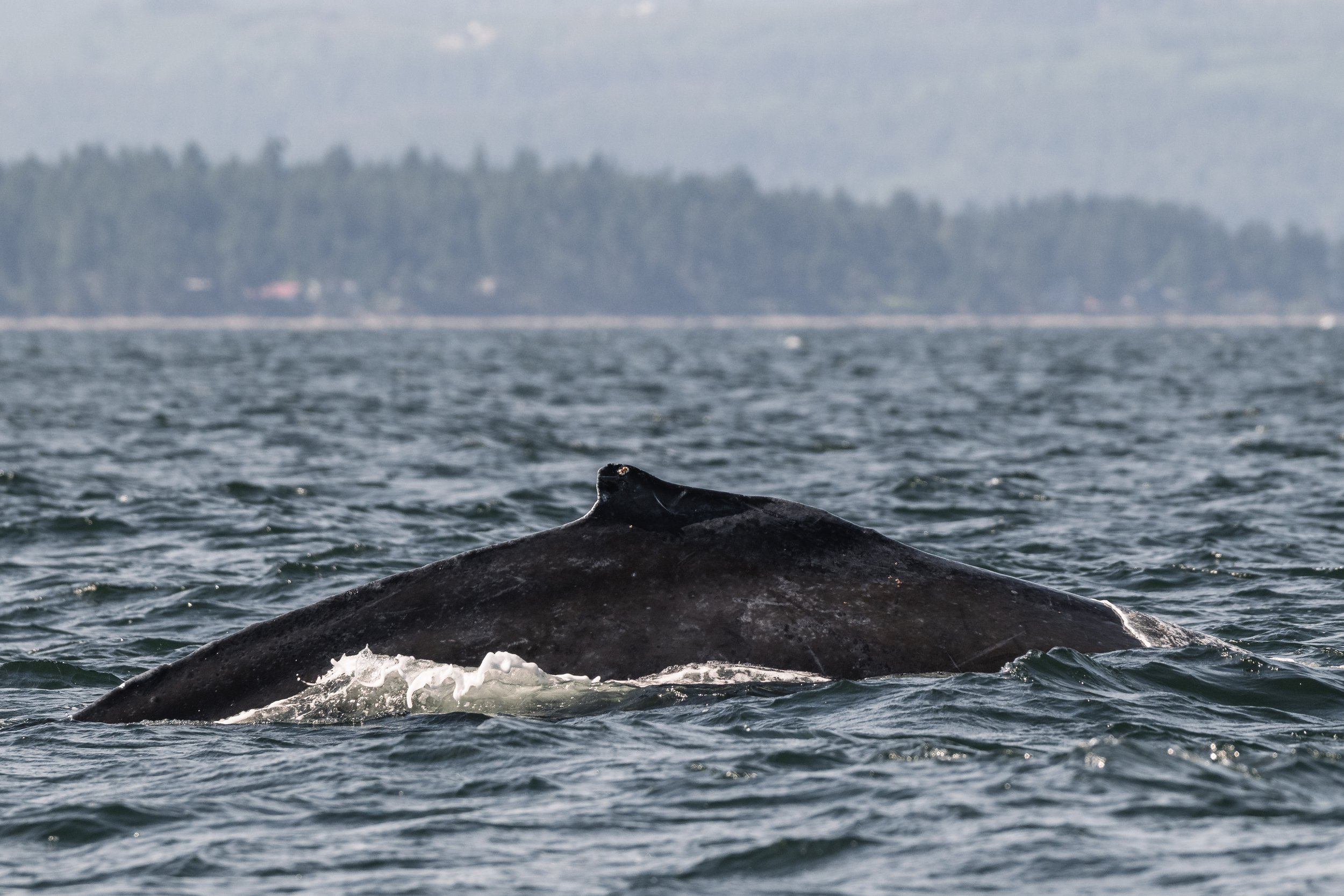
Split Fluke’s dorasl. Photo by Aly Kohlman.
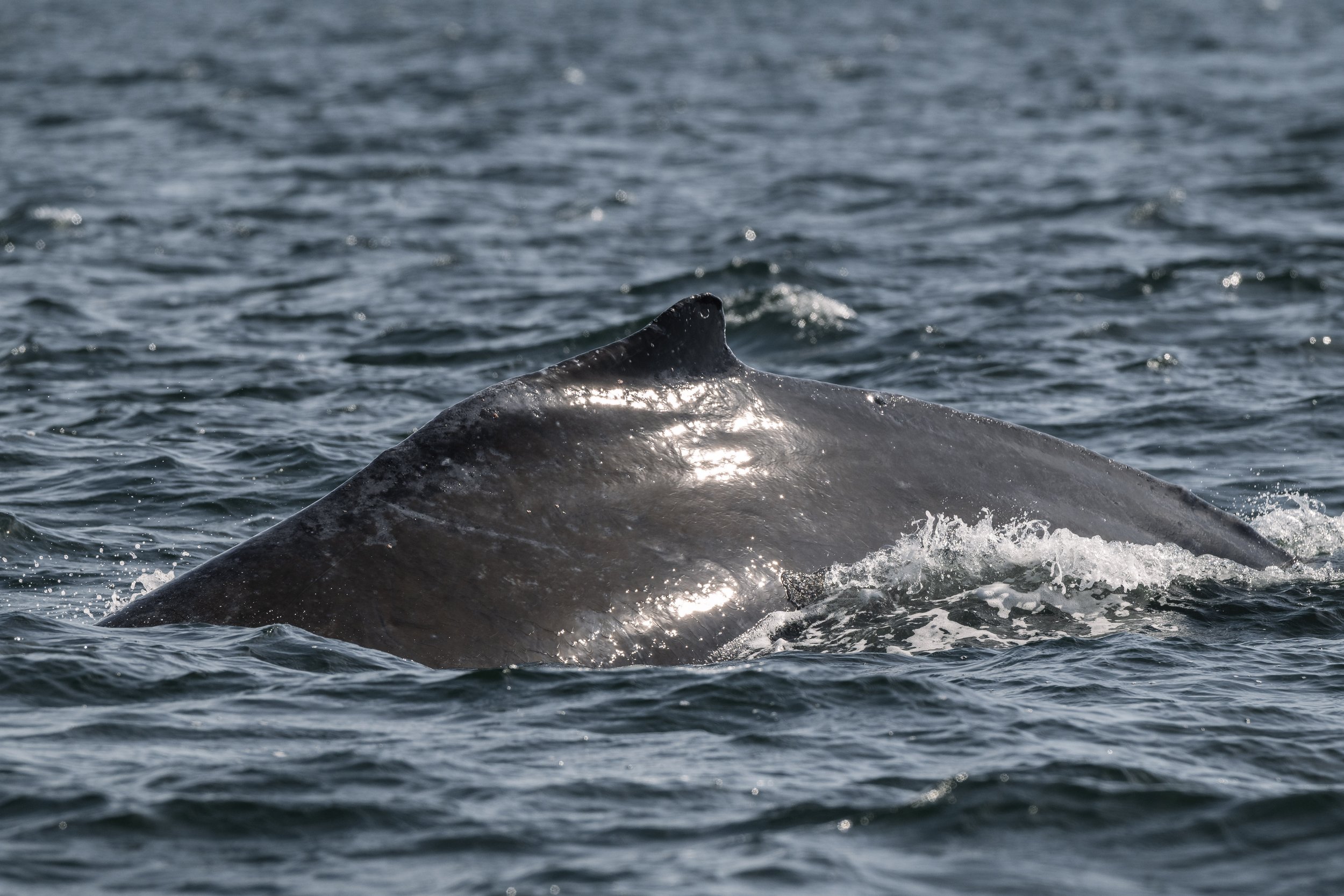
Split Fluke’s left dorsal fin. Photo by Aly Kohlman.
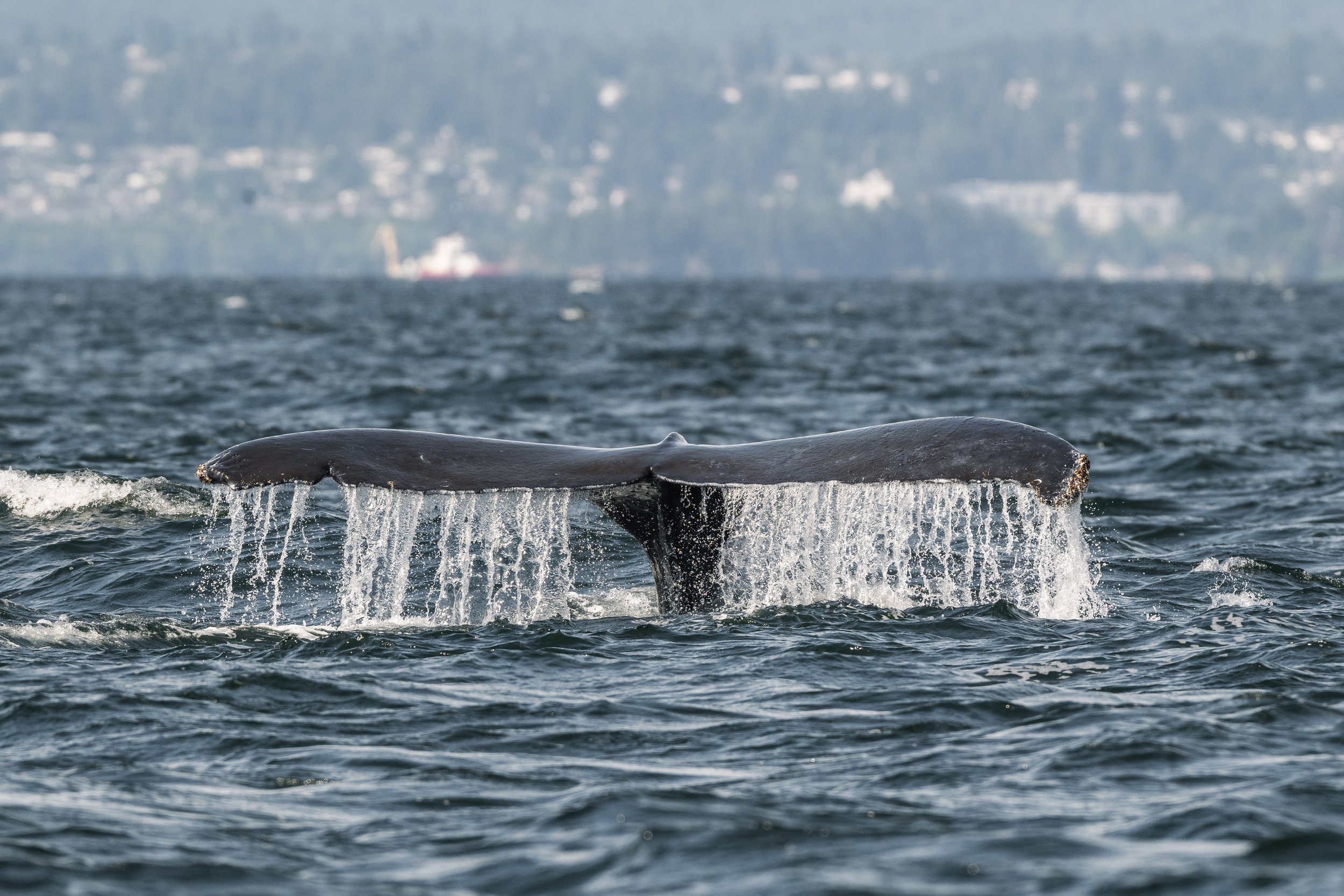
Split Fluke going down. Photo by Aly Kohlman.
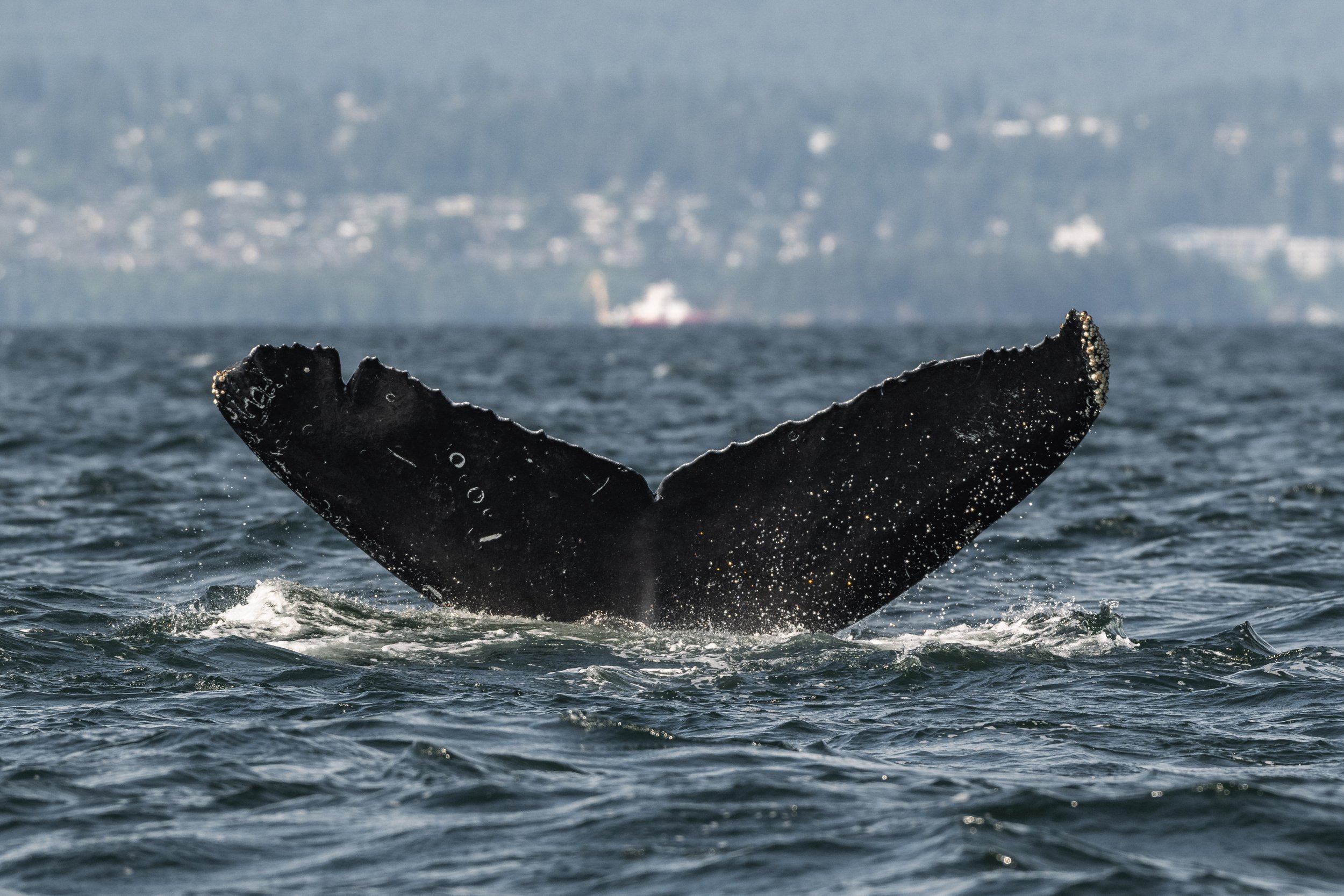
Split Fluke, can you see the split? Photo by Aly Kohlman.
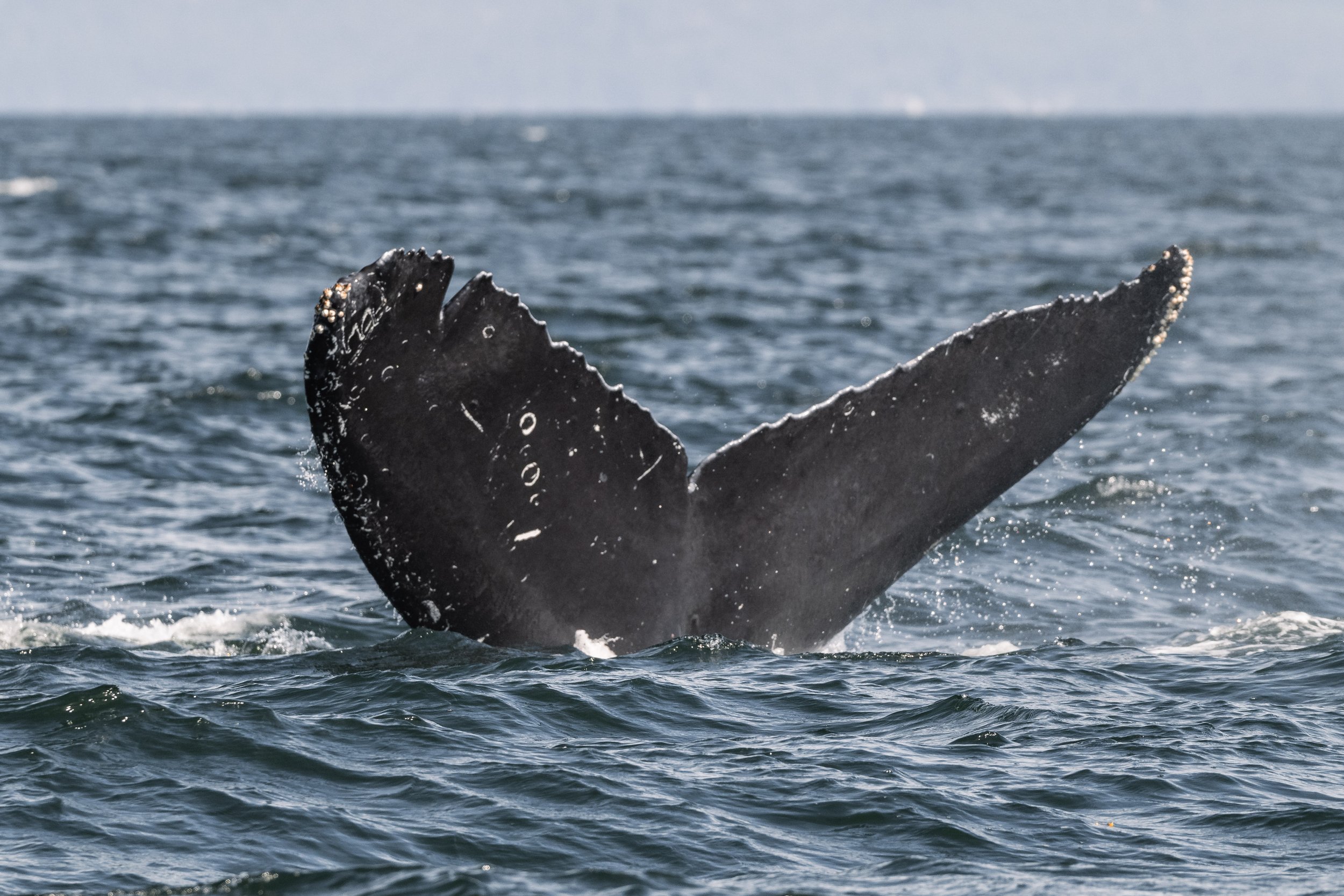
A good look at Split Flukes tail. Photo by Aly Kohlman.
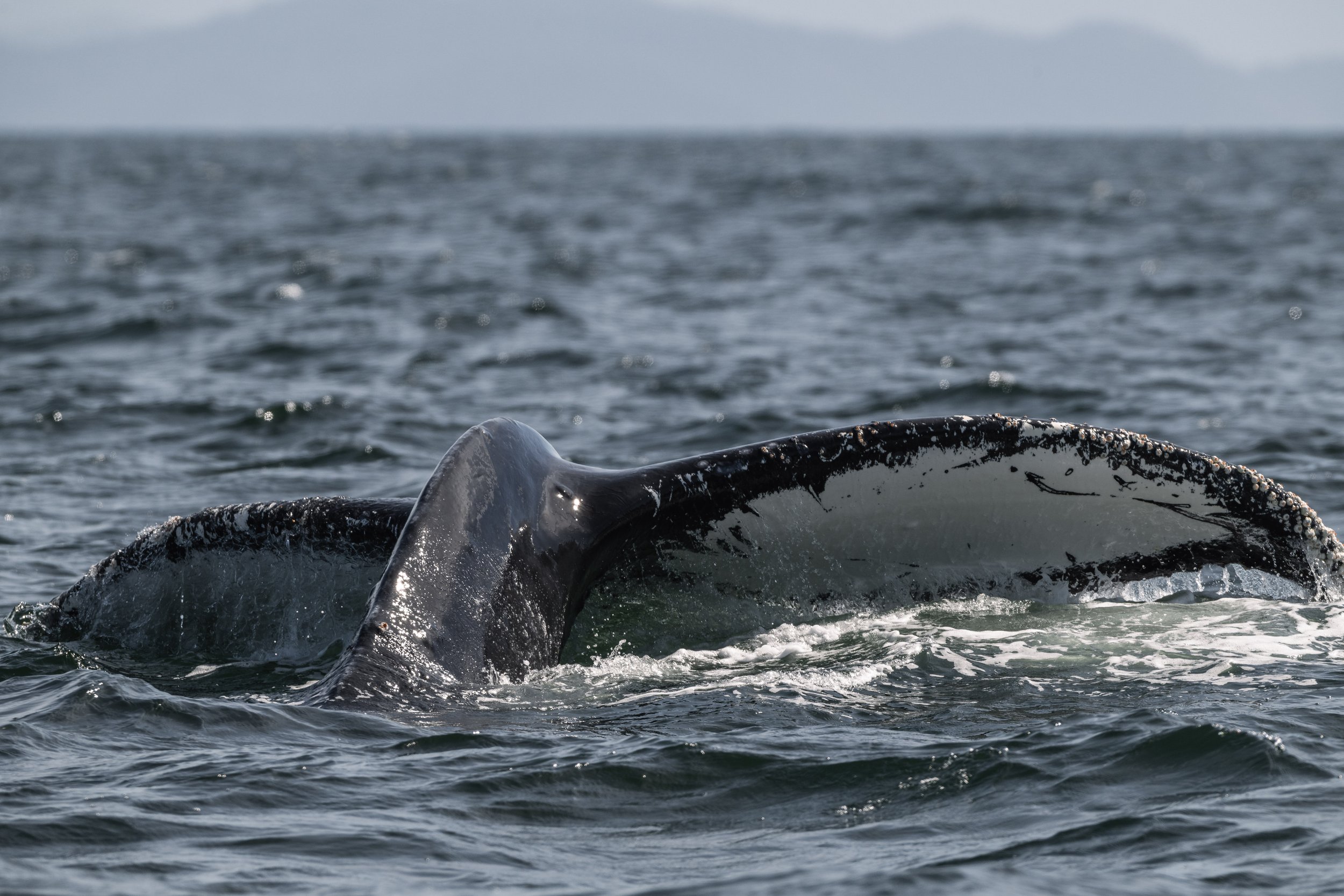
Anvil lifting her tail. Photo by Aly Kohlman.
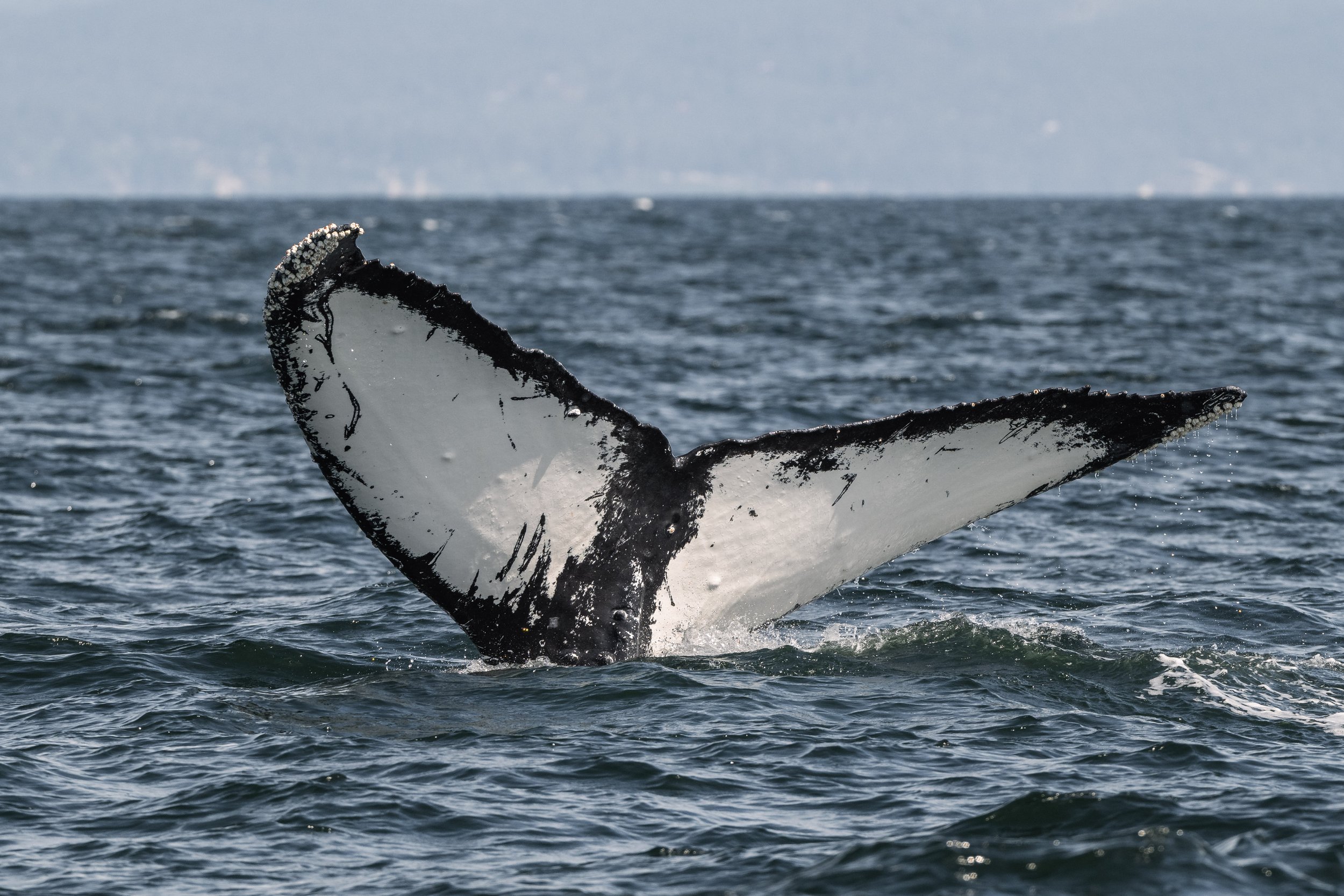
The underside of Anvil’s tail. Photo by Aly Kohlman.
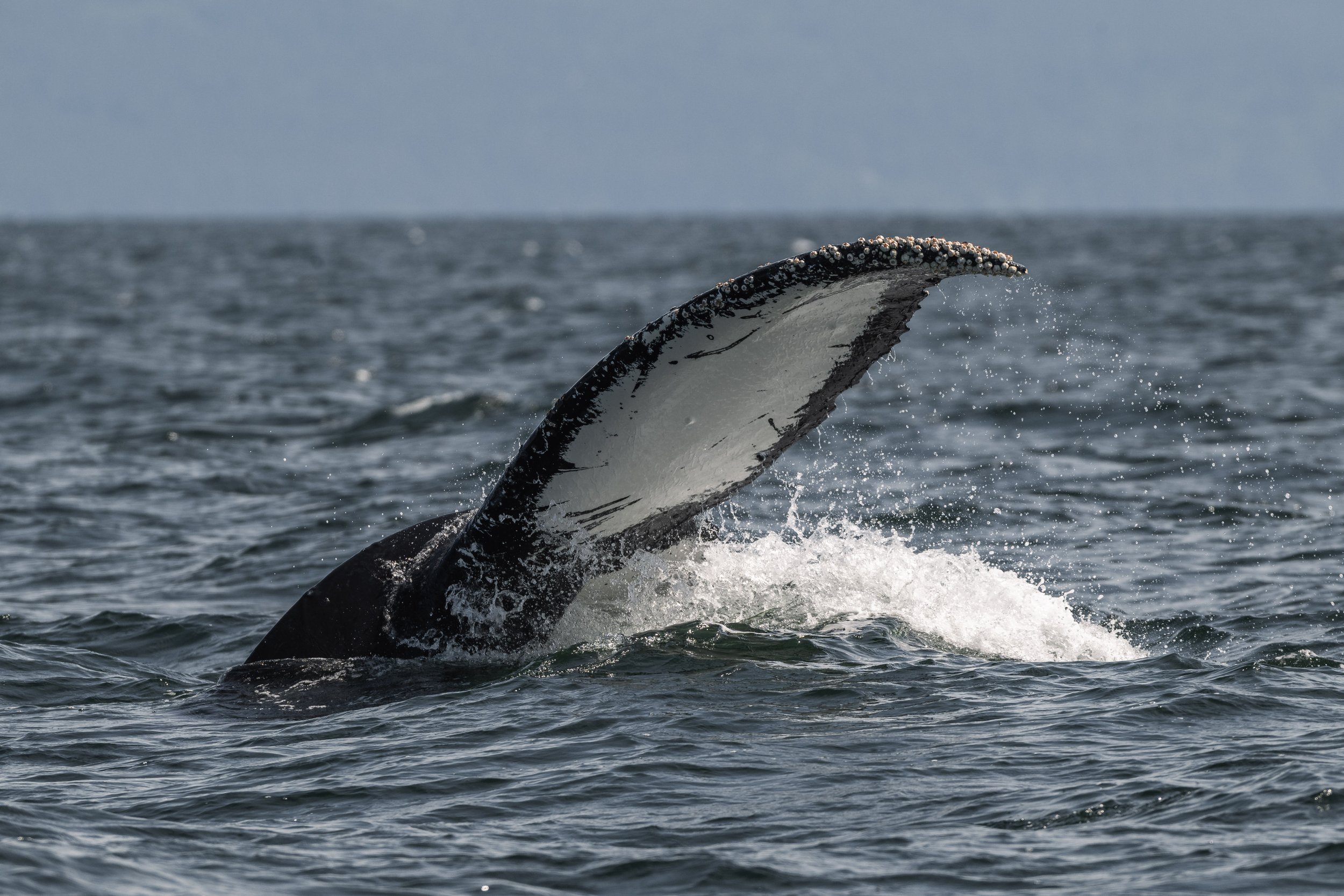
Anvil moving some water. Photo by Aly Kohlman.
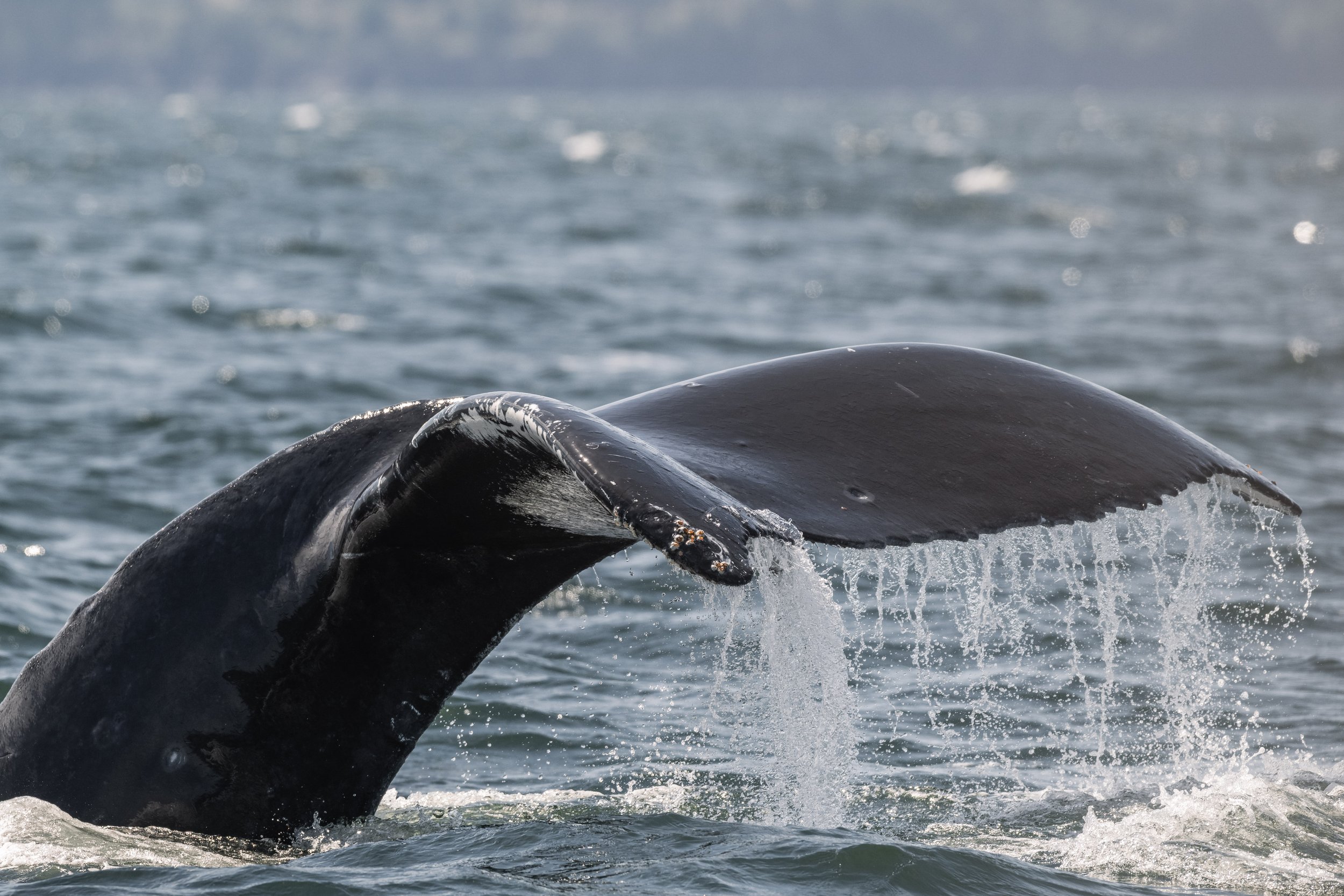
Moraine diving. Photo by Aly Kohlman.
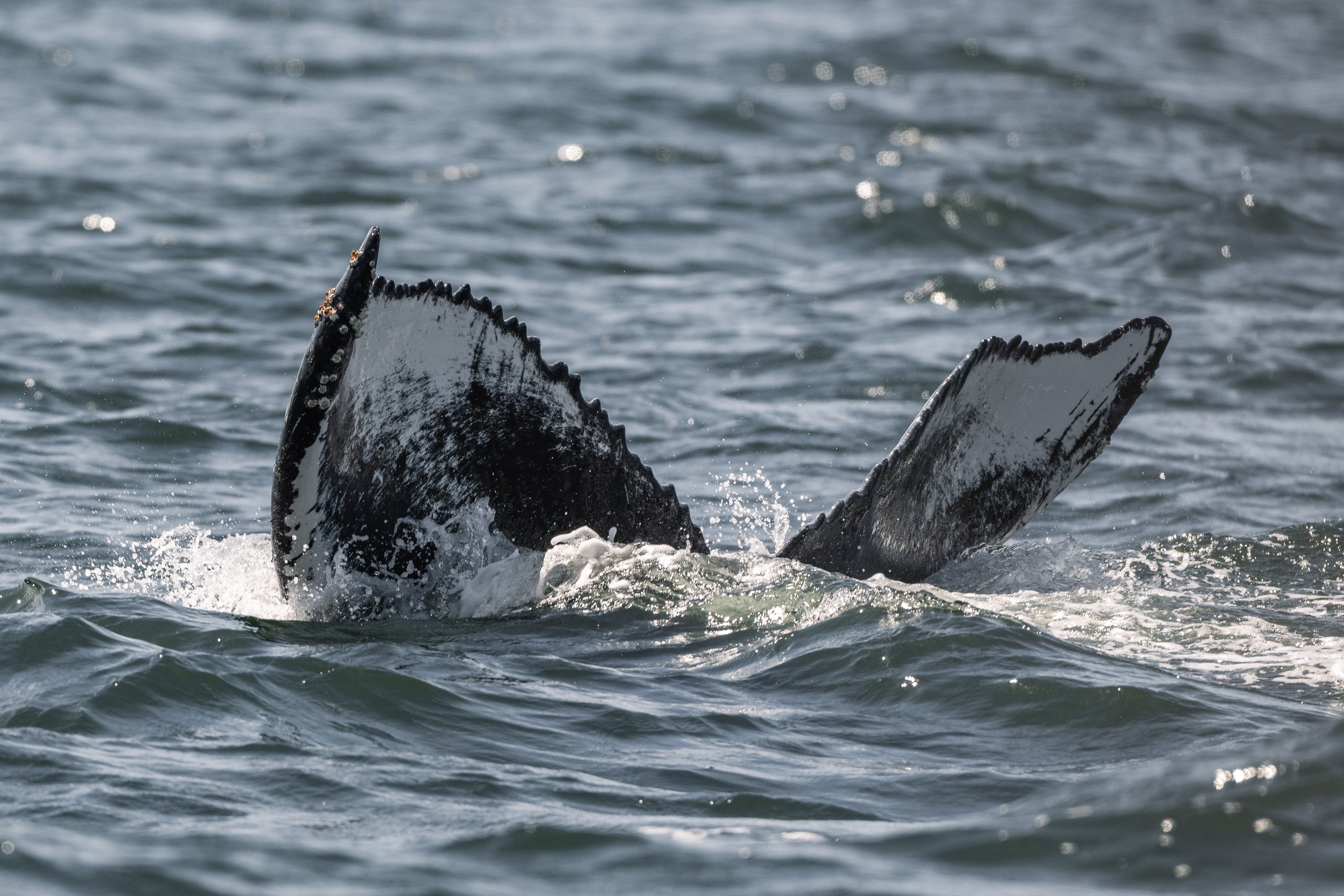
Moraine slipping below the waves. Photo by Aly Kohlman.
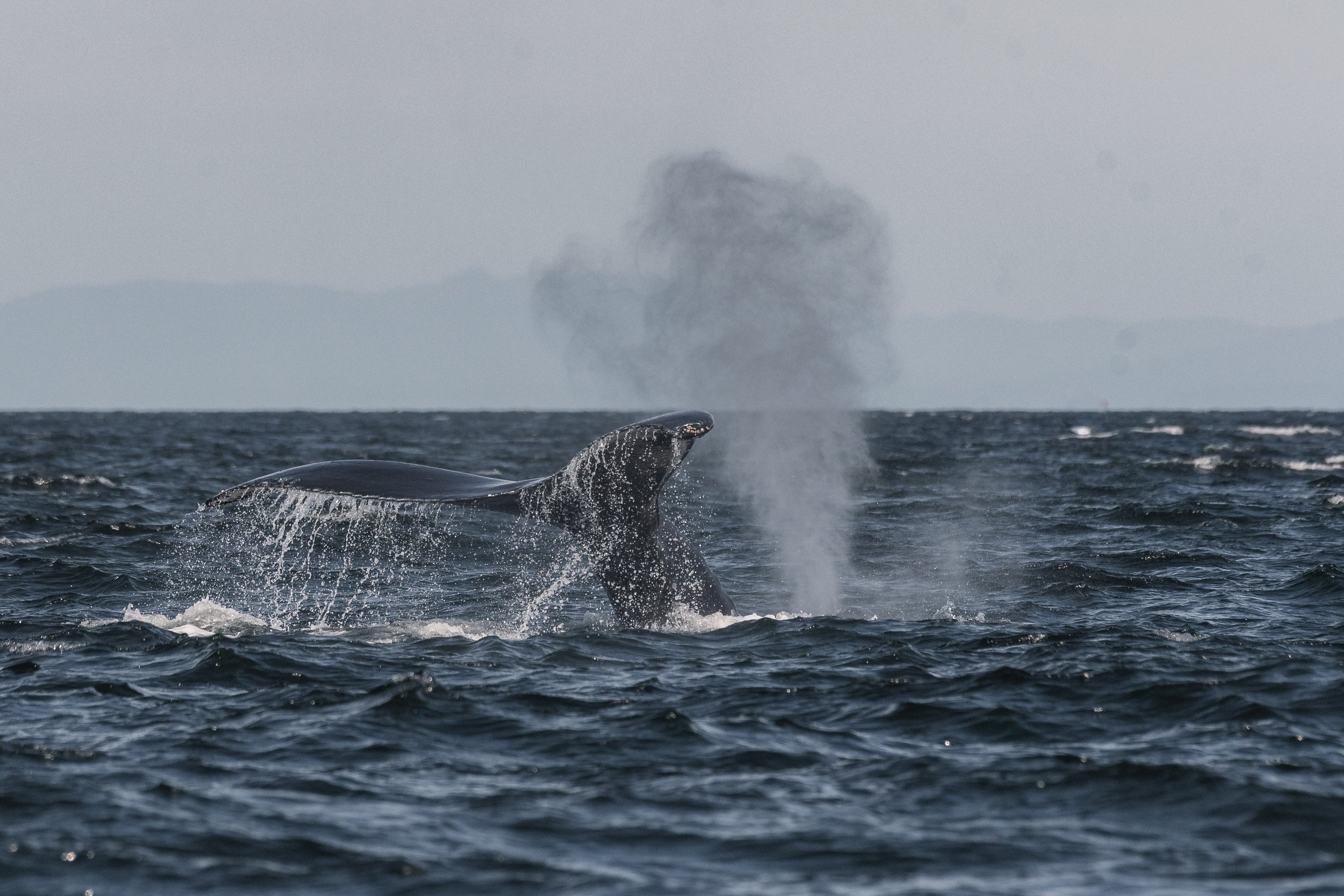
Moraine’s tail beside Bagheera’s blow. Photo by Evan Hessels.
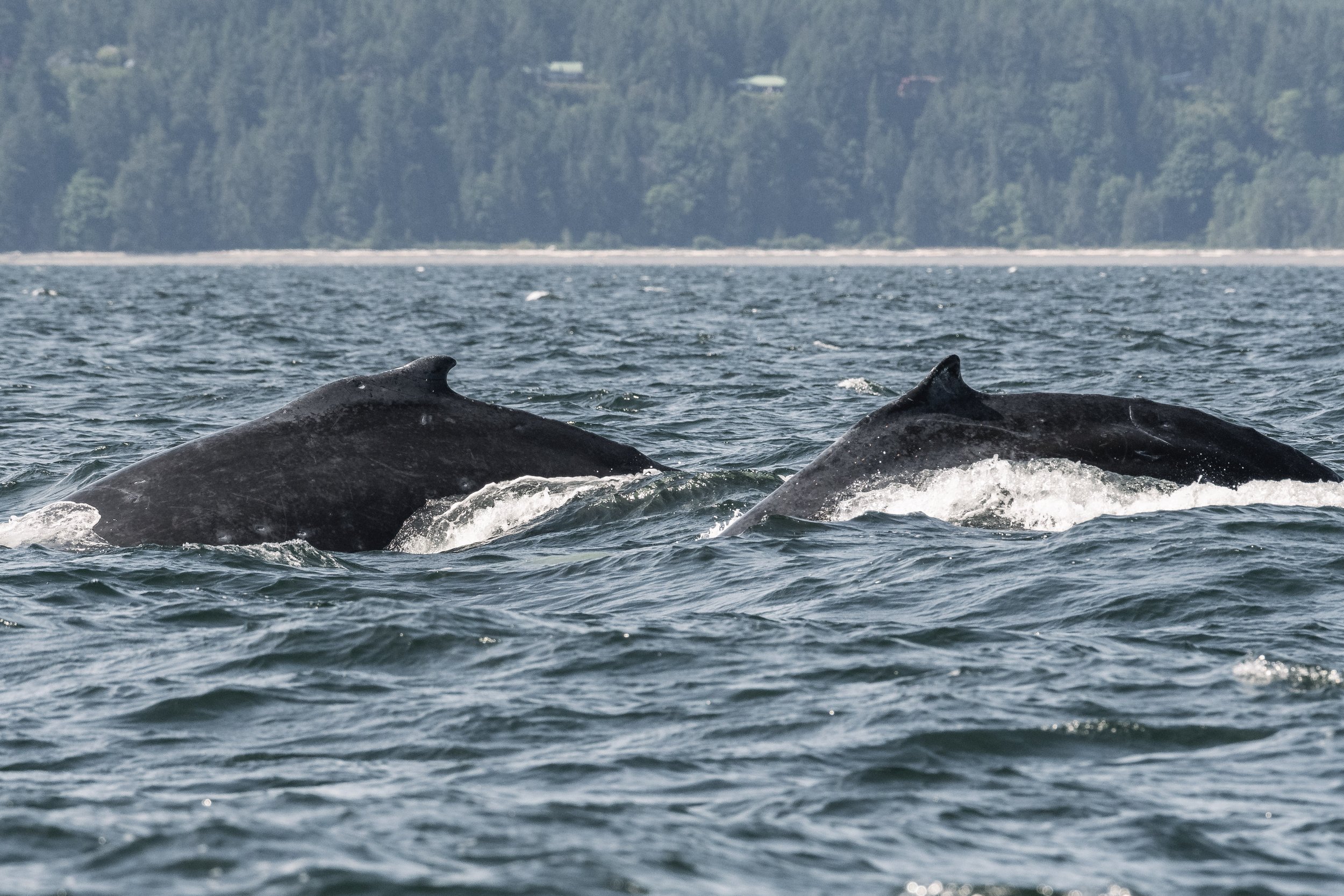
Moraine in front Bagheera behind. Photo by Evan Hessels.
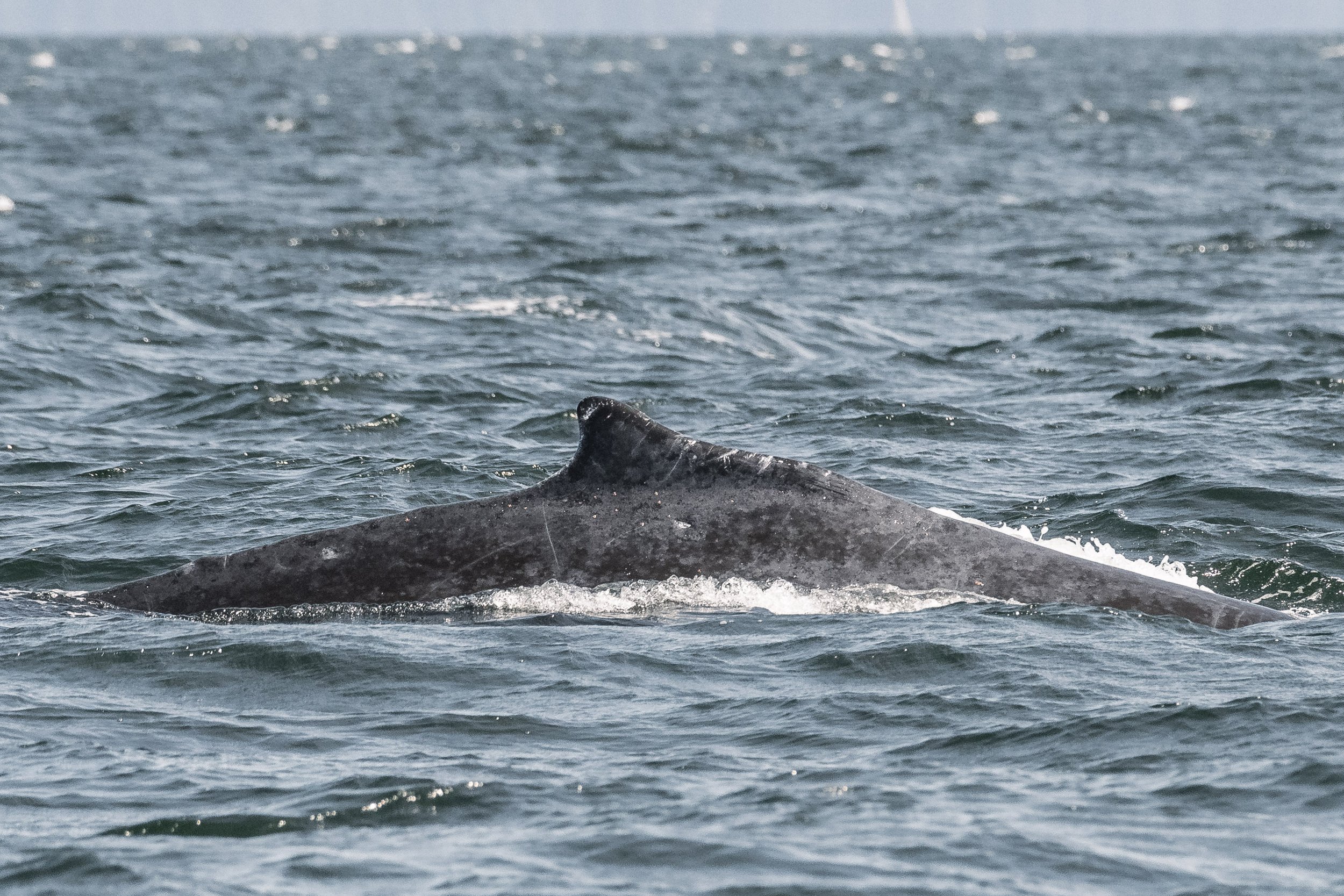
Bagheera’s dorsal. Photo by Evan Hessels.
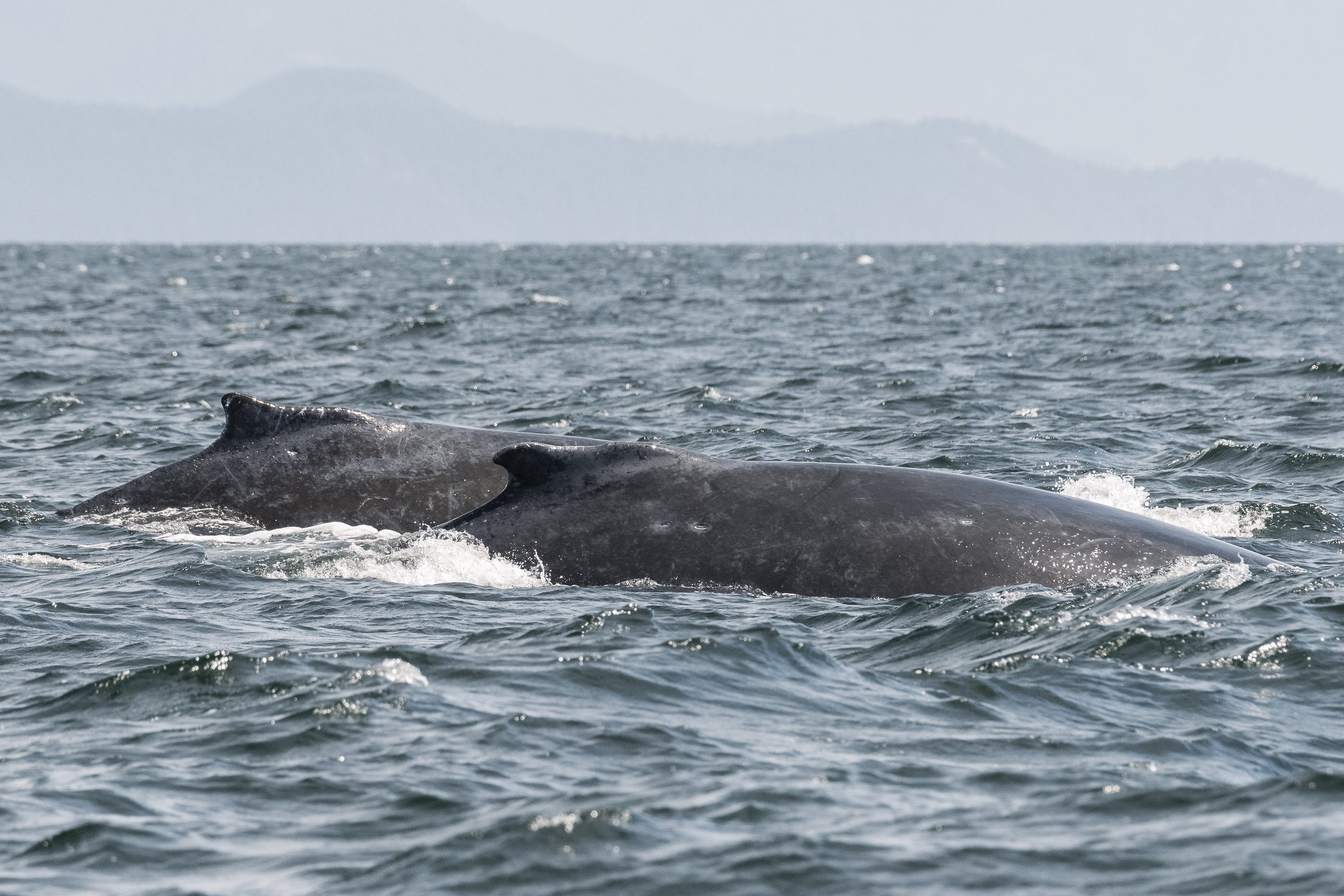
Moraine in front Bagheera behind.Photo by Evan Hessels.
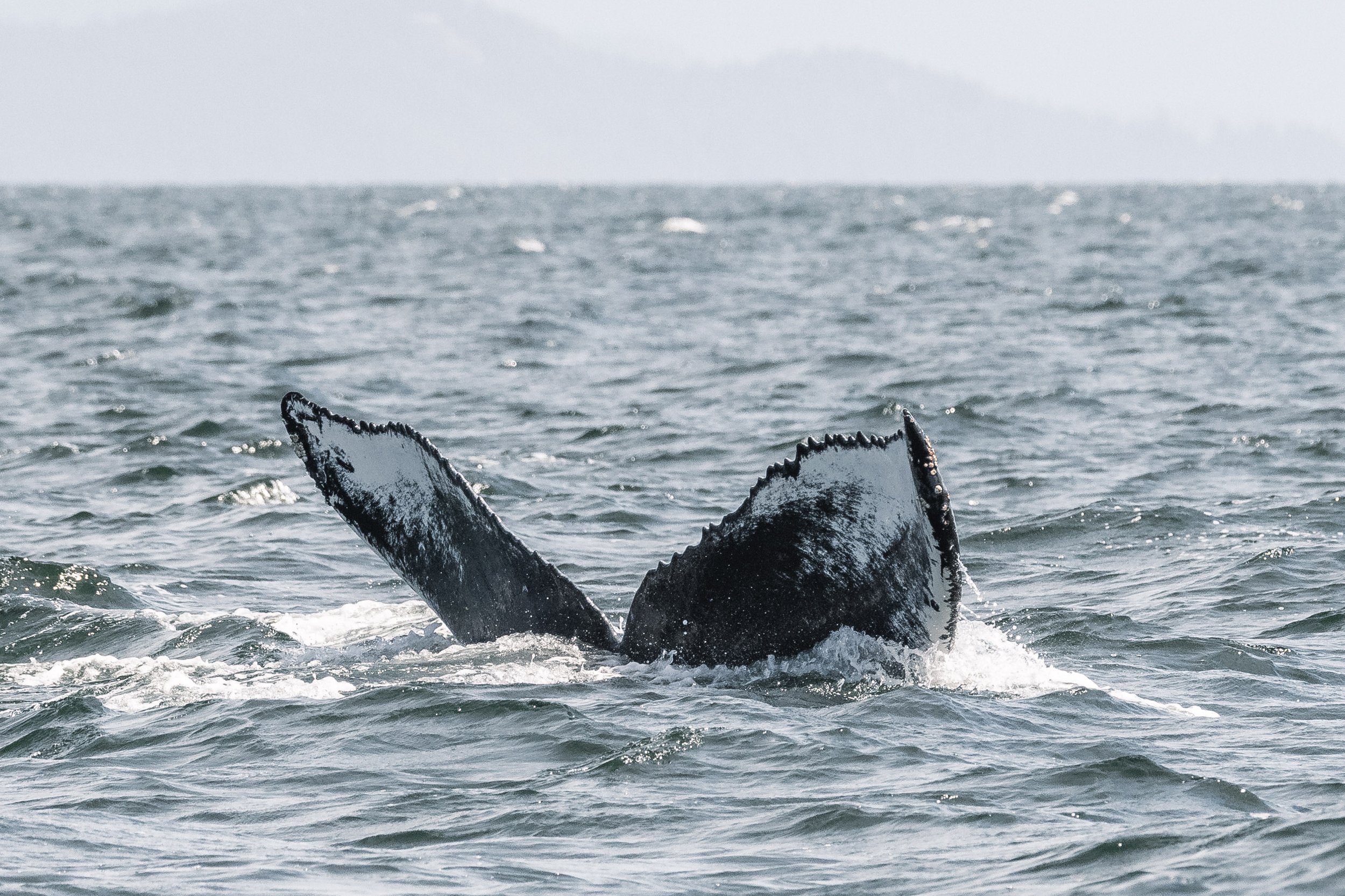
Moraine’s tail. Photo by Evan Hessels.
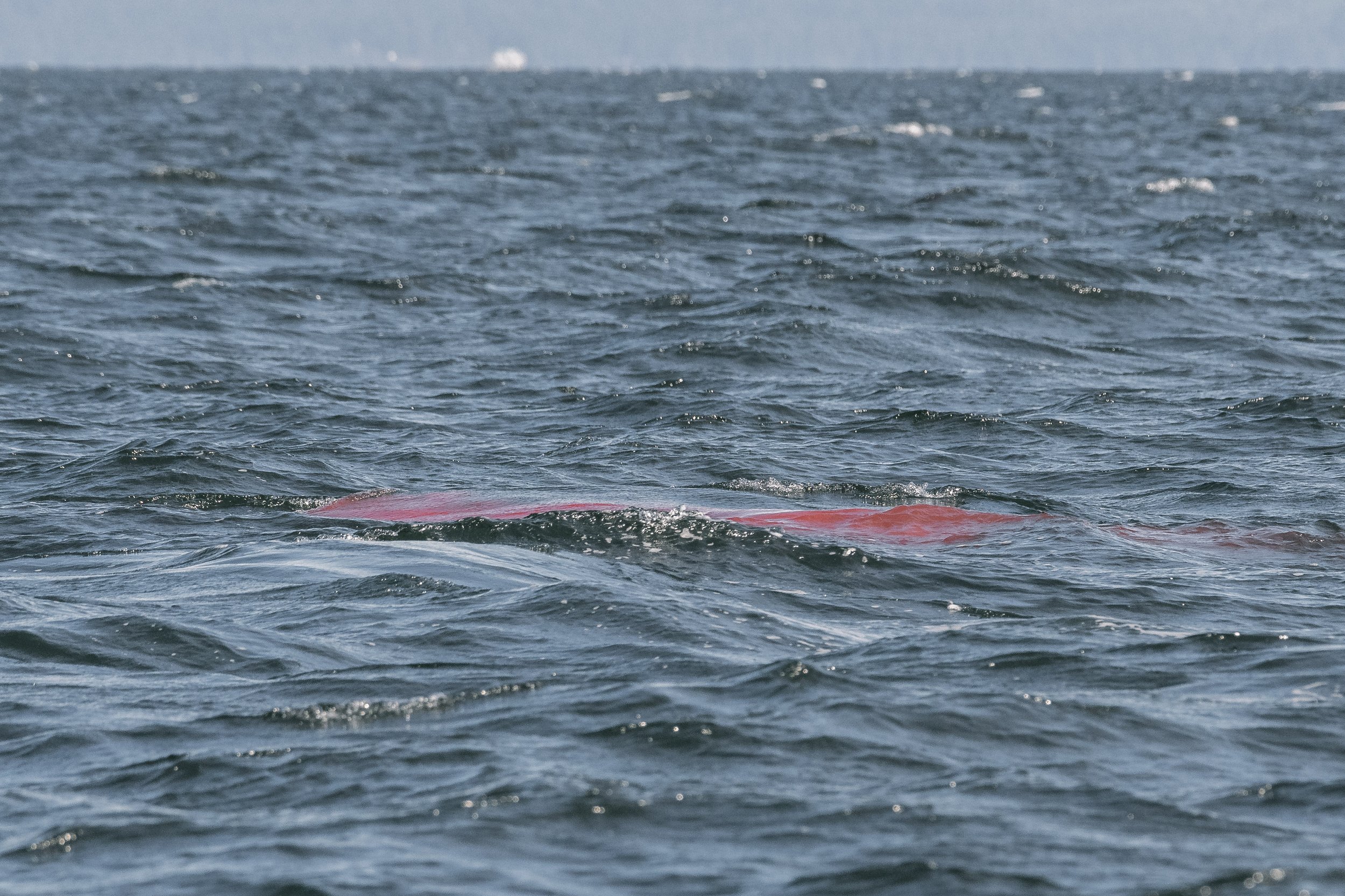
Can you see the red poop? A strong indication our whales have been dining on krill. Photo by Evan Hessels.
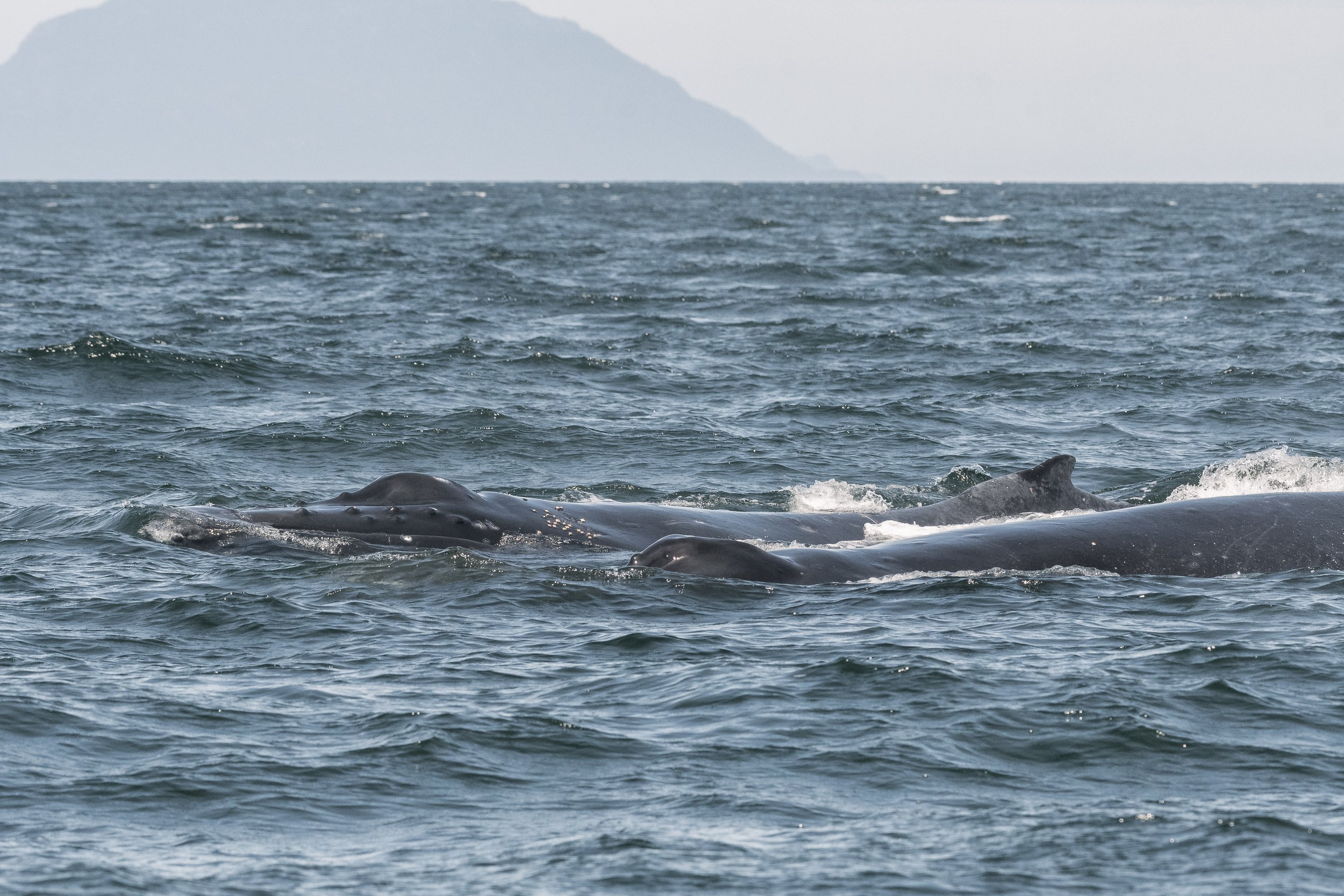
Surfacing together. Photo by Evan Hessels.
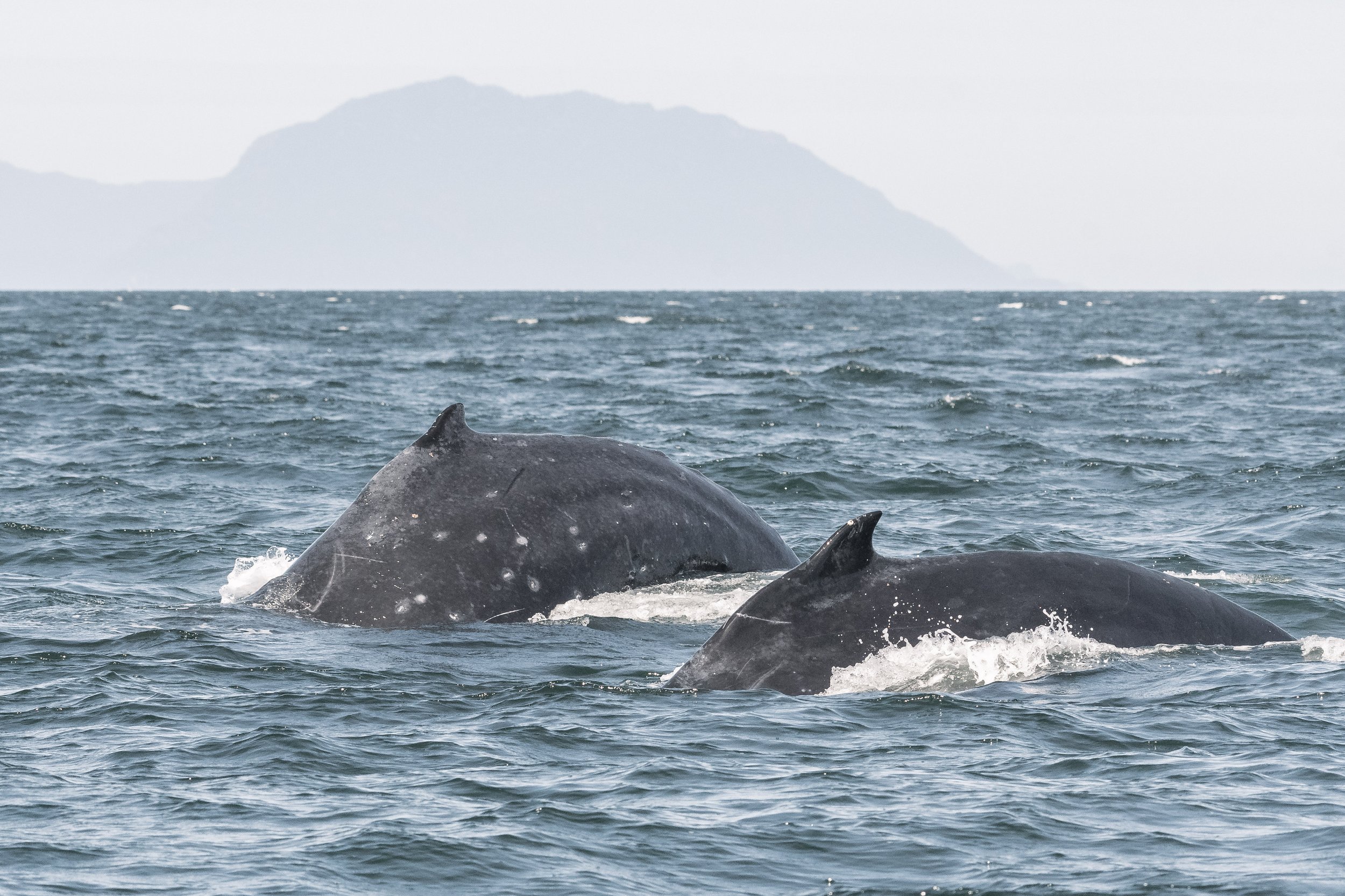
Going down! Photo by Evan Hessels.
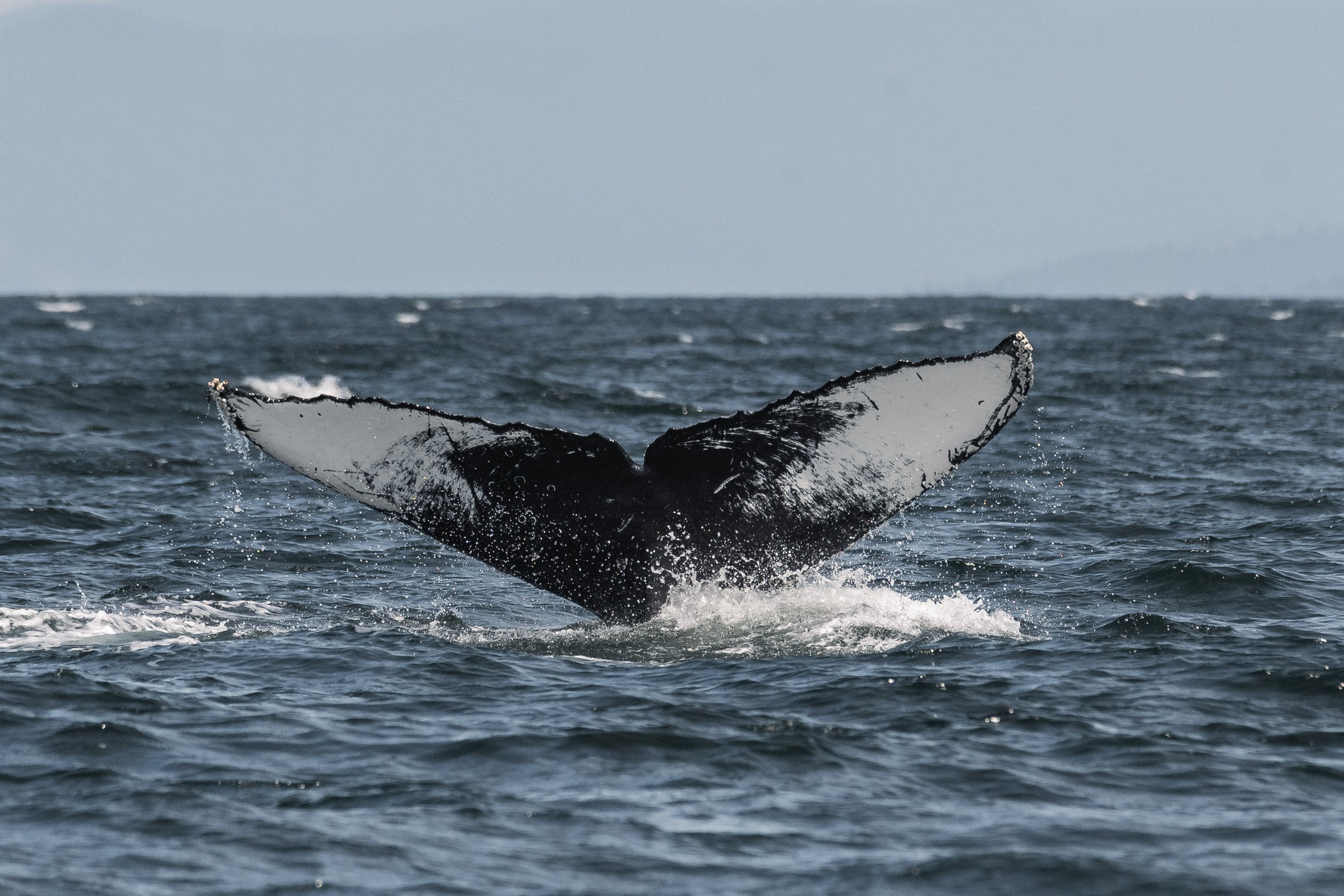
Malachite fluking. Photo by Evan Hessels.
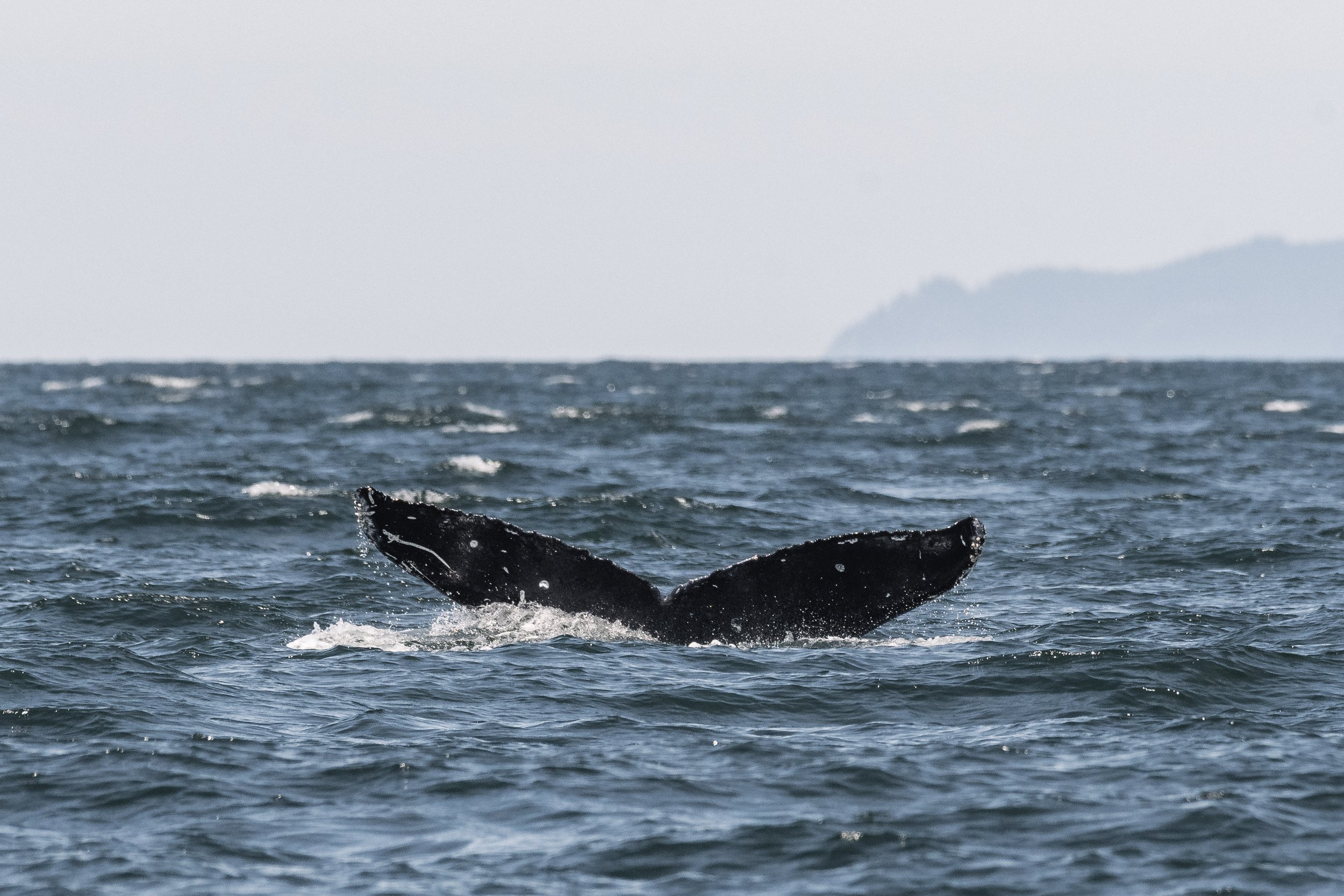
BCY1059 calf 2024 fluking. Photo by Evan Hessels.
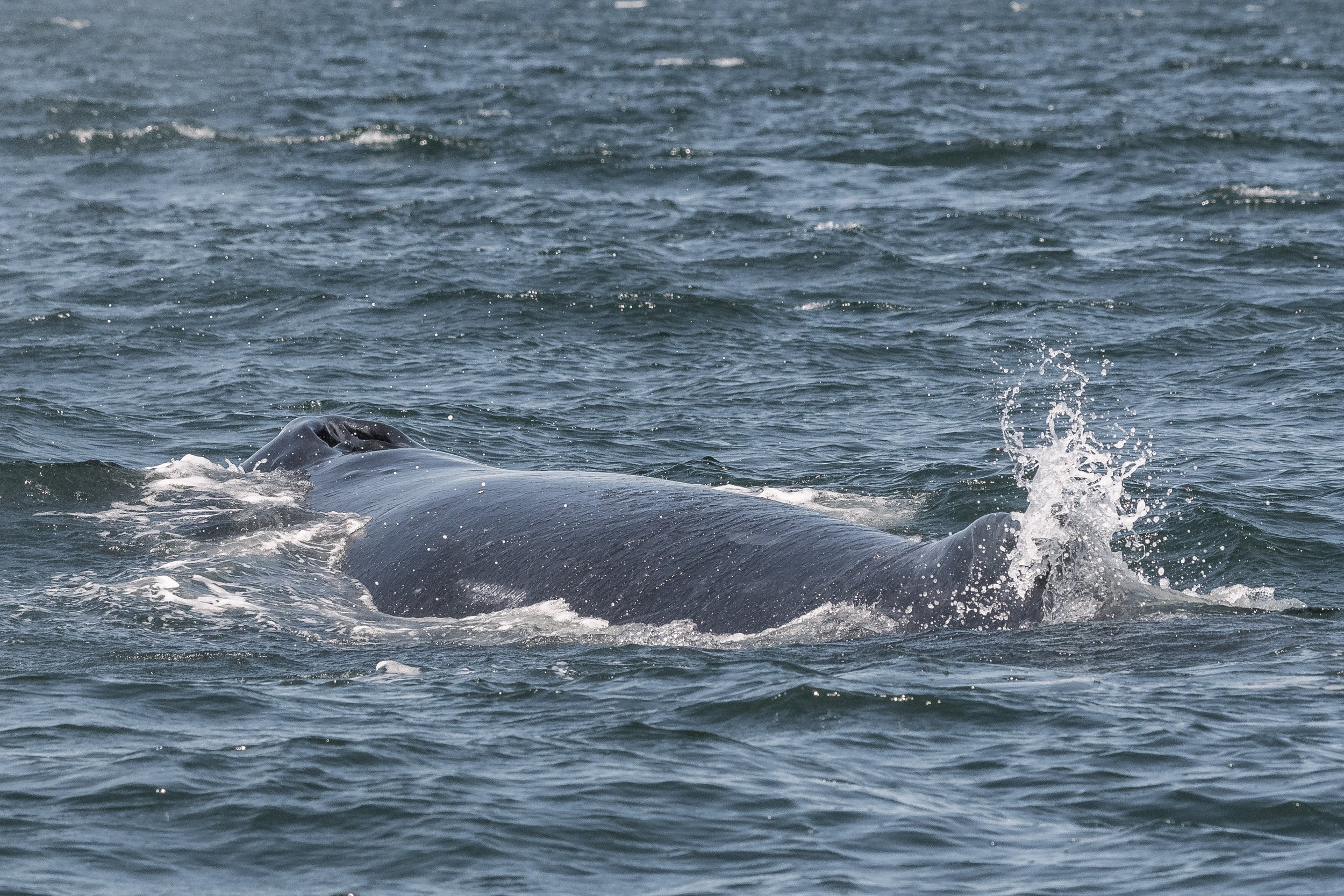
Splash! Photo by Evan Hessels.
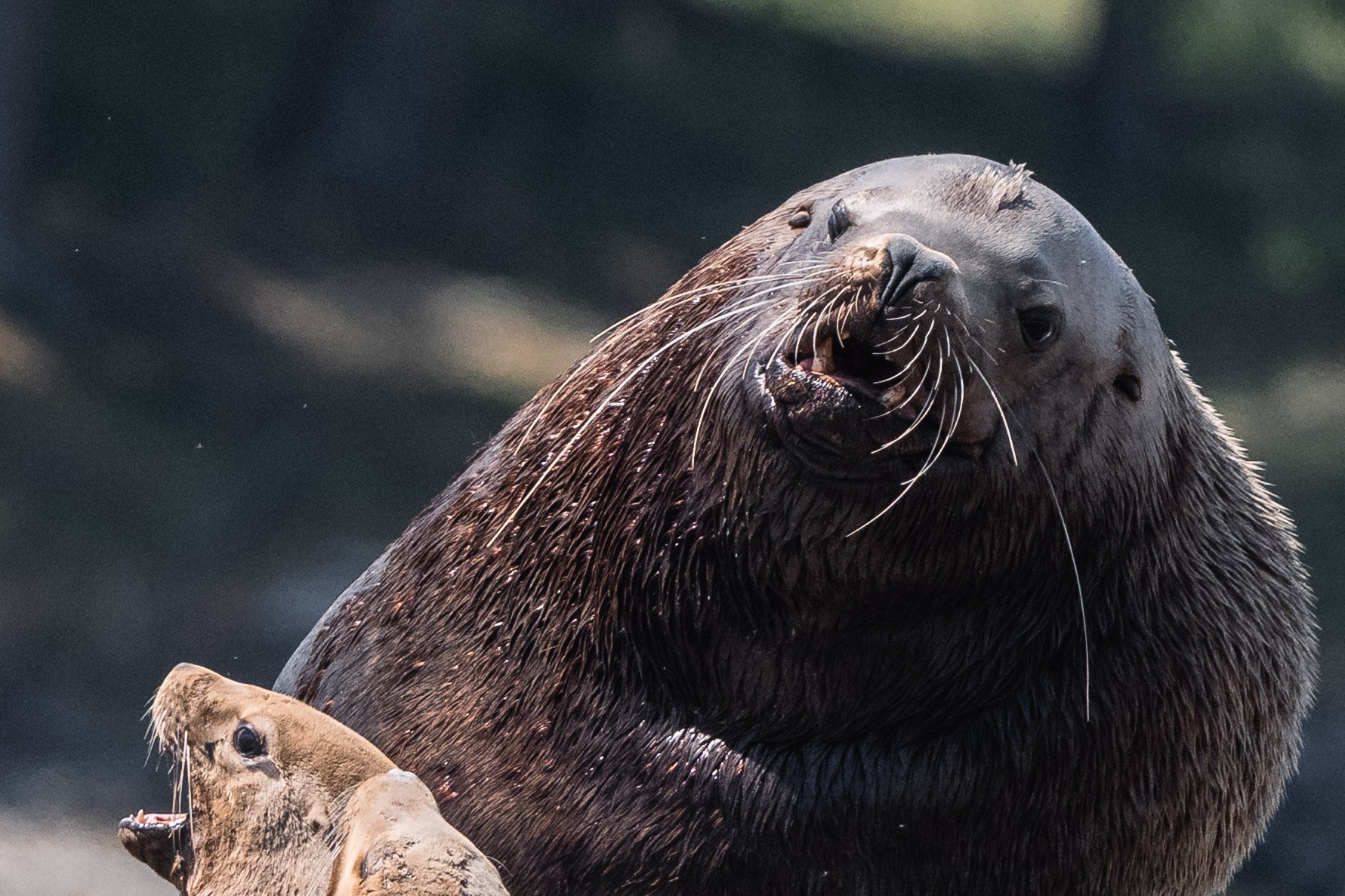
A grumpy male Steller Sea Lion. Photo by Aly Kohlman.
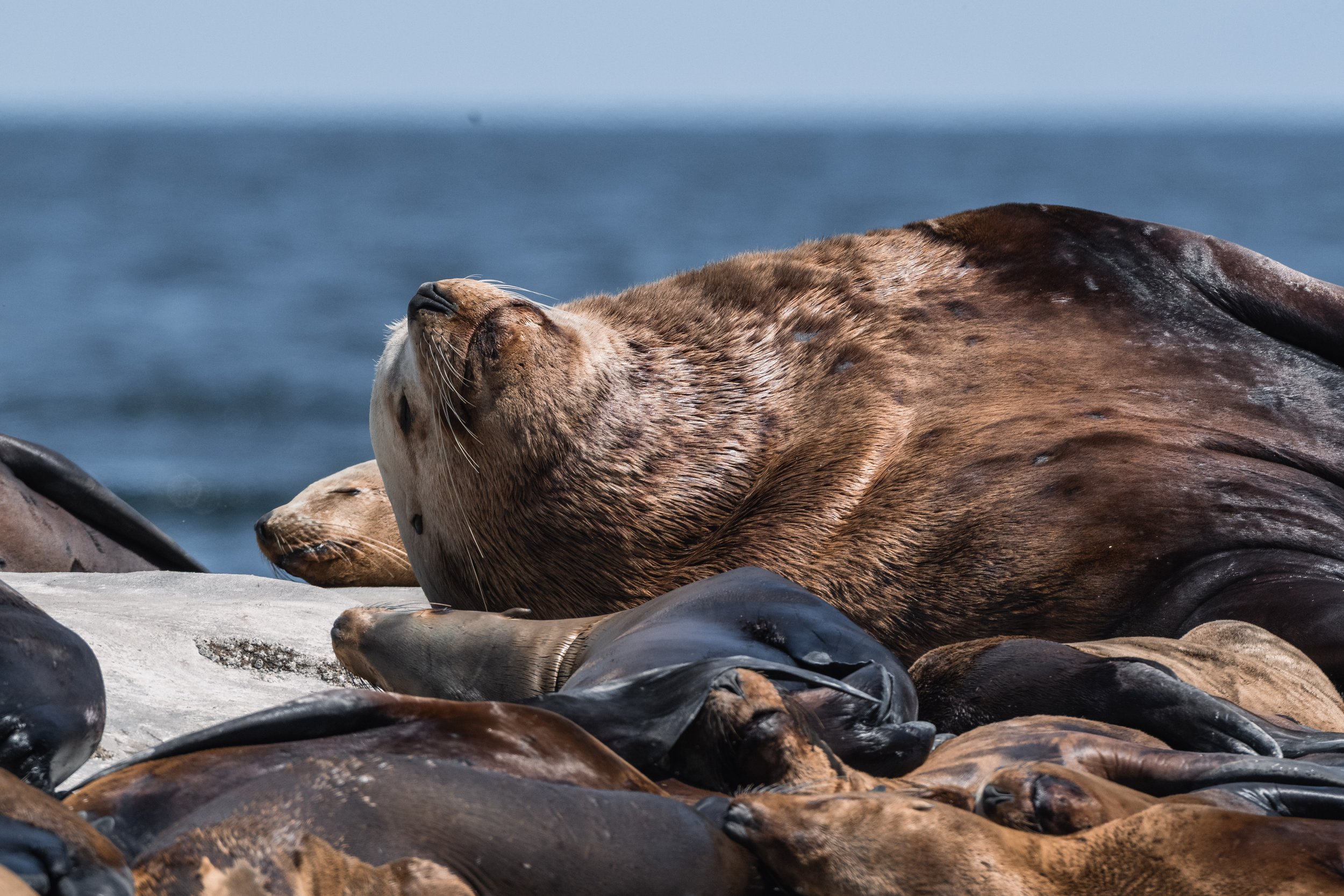
A sleepy Steller Sea Lion. Photo by Aly Kohlman.
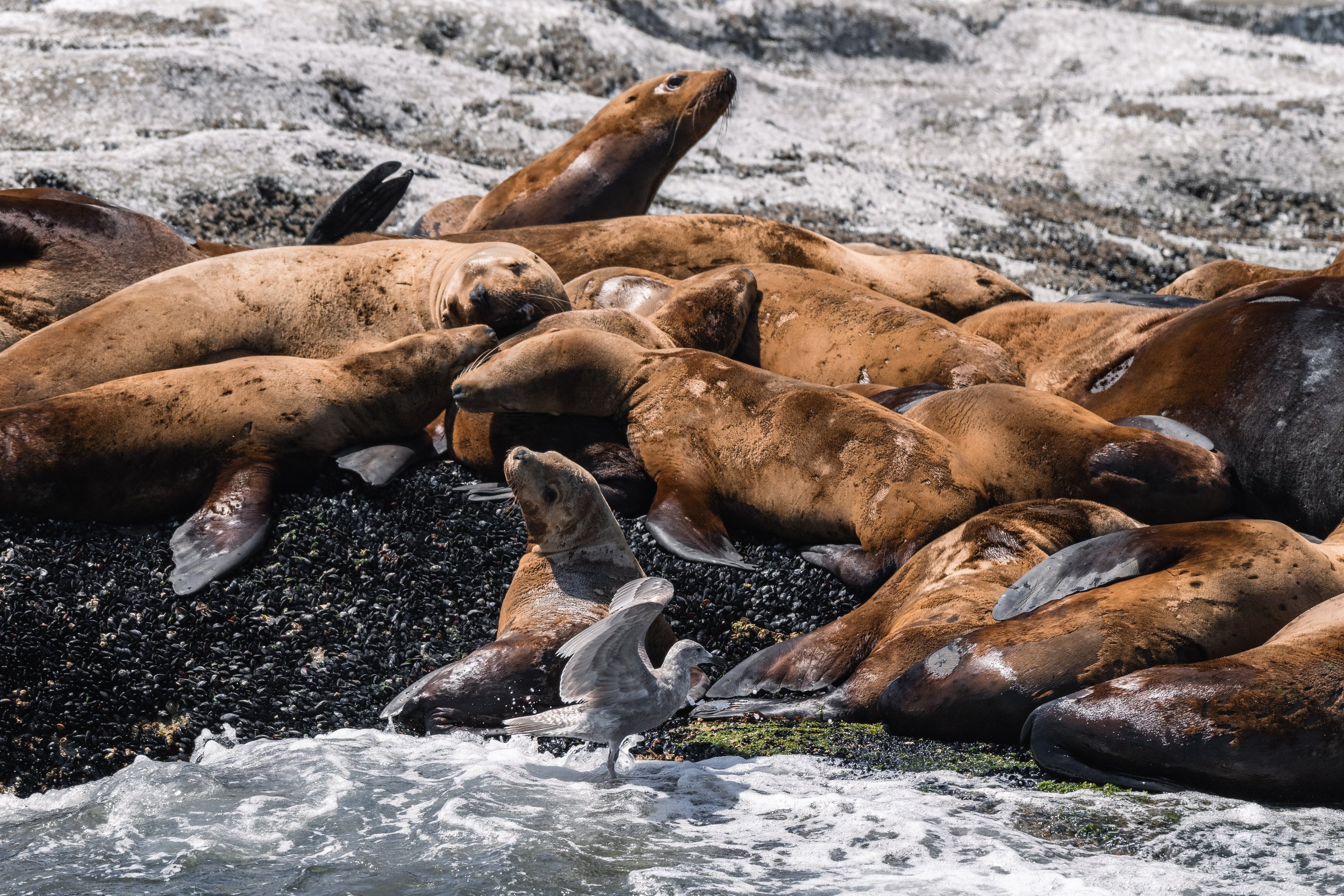
A gull landing in front of the Steller cuddle puddle. Photo by Aly Kohlman.
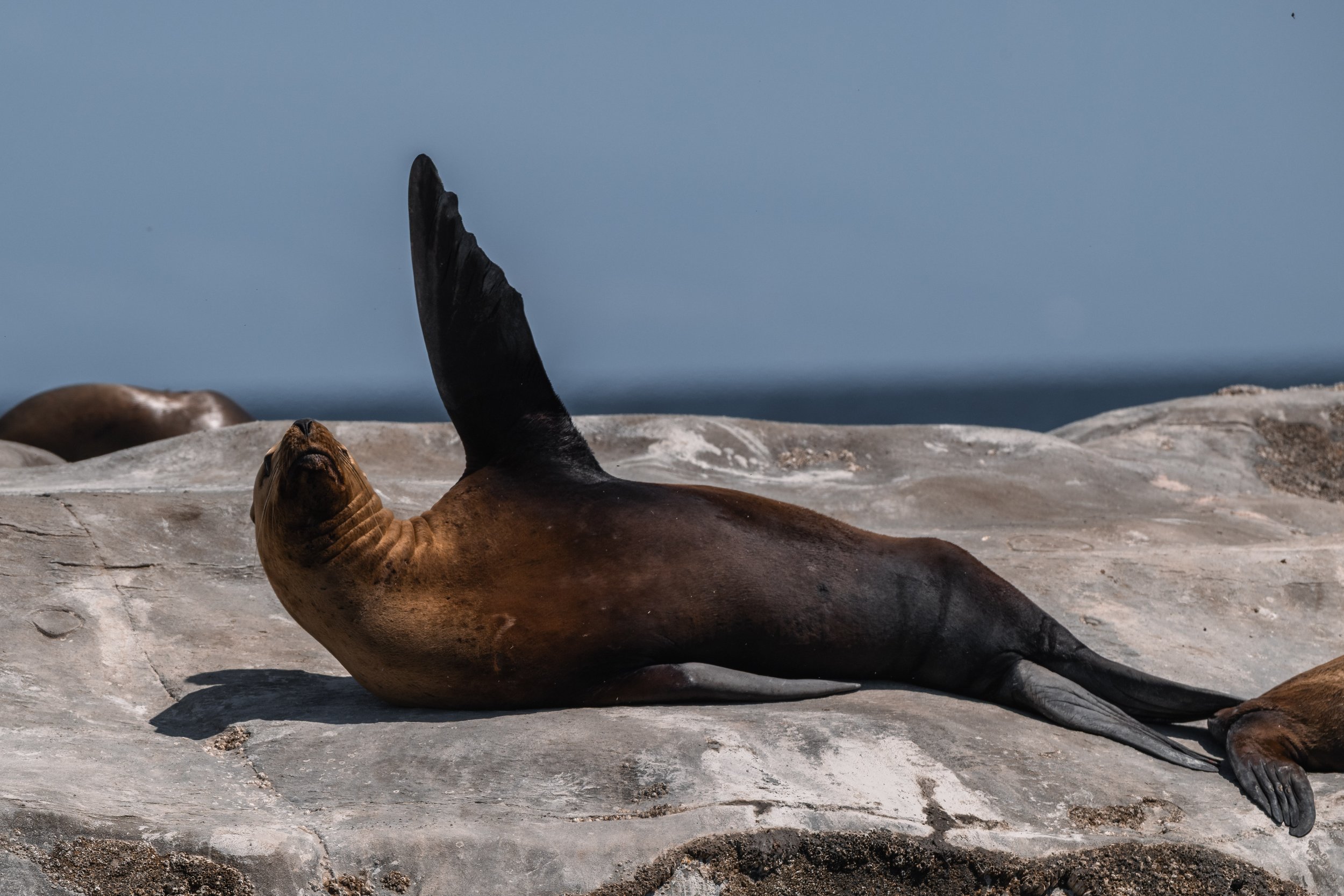
A Steller waving. Photo by Aly Kohlman.
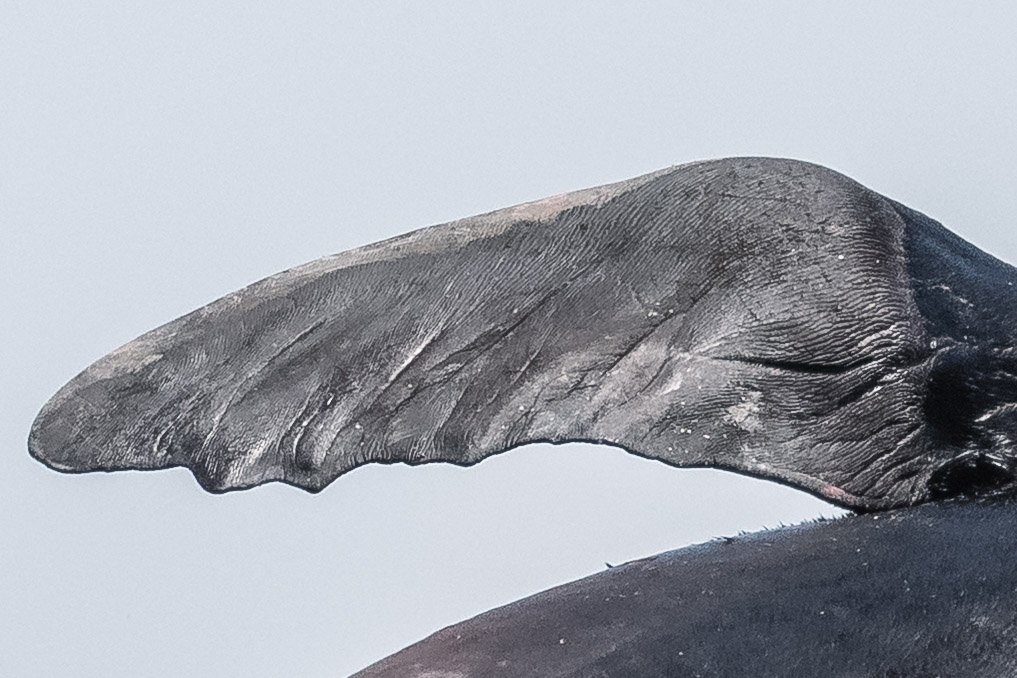
Check out the textre on this sea lions flipper. Photo by Evan Hessels.
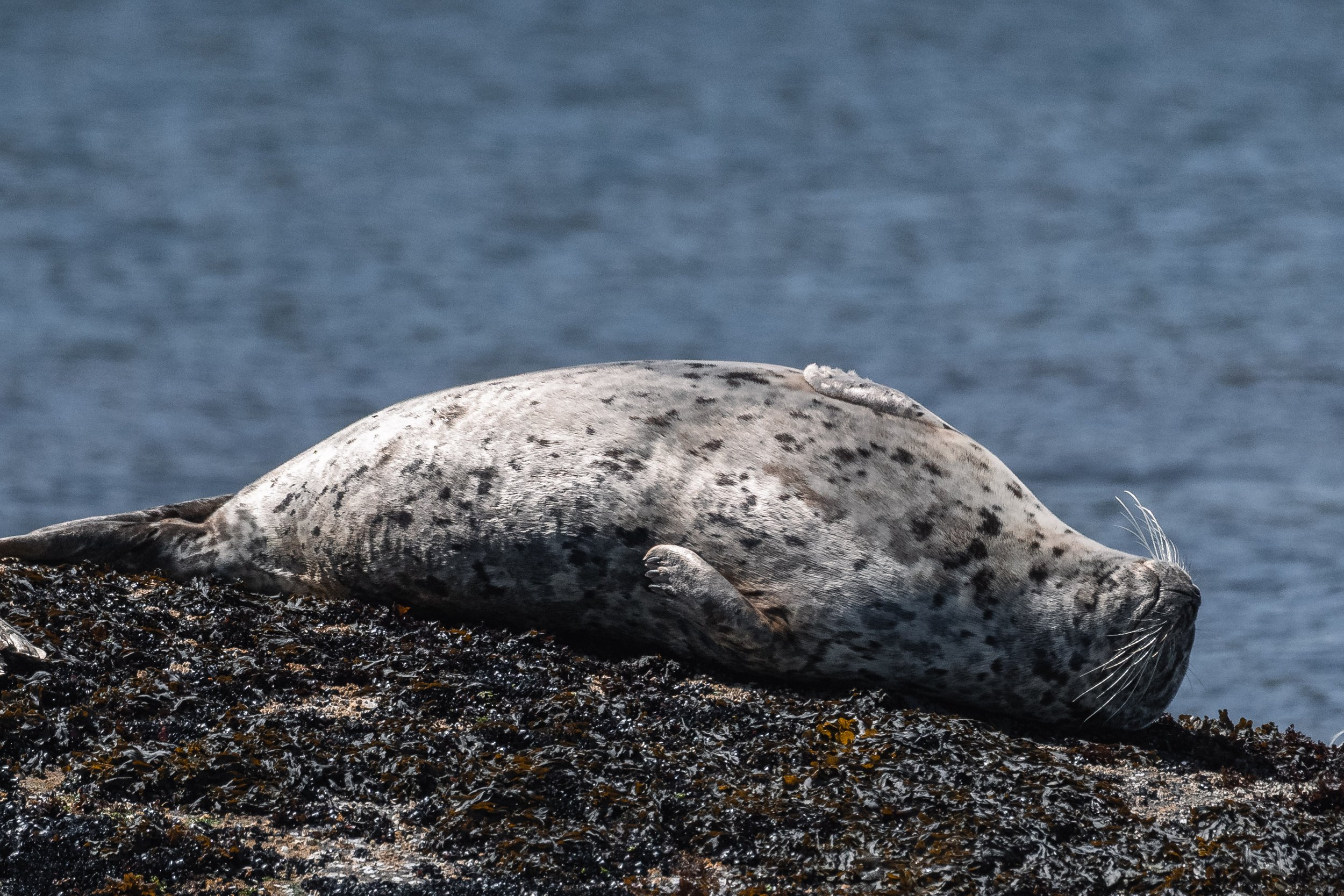
A harbour seal sleeping on it’s back. Photo by Evan Hessels.
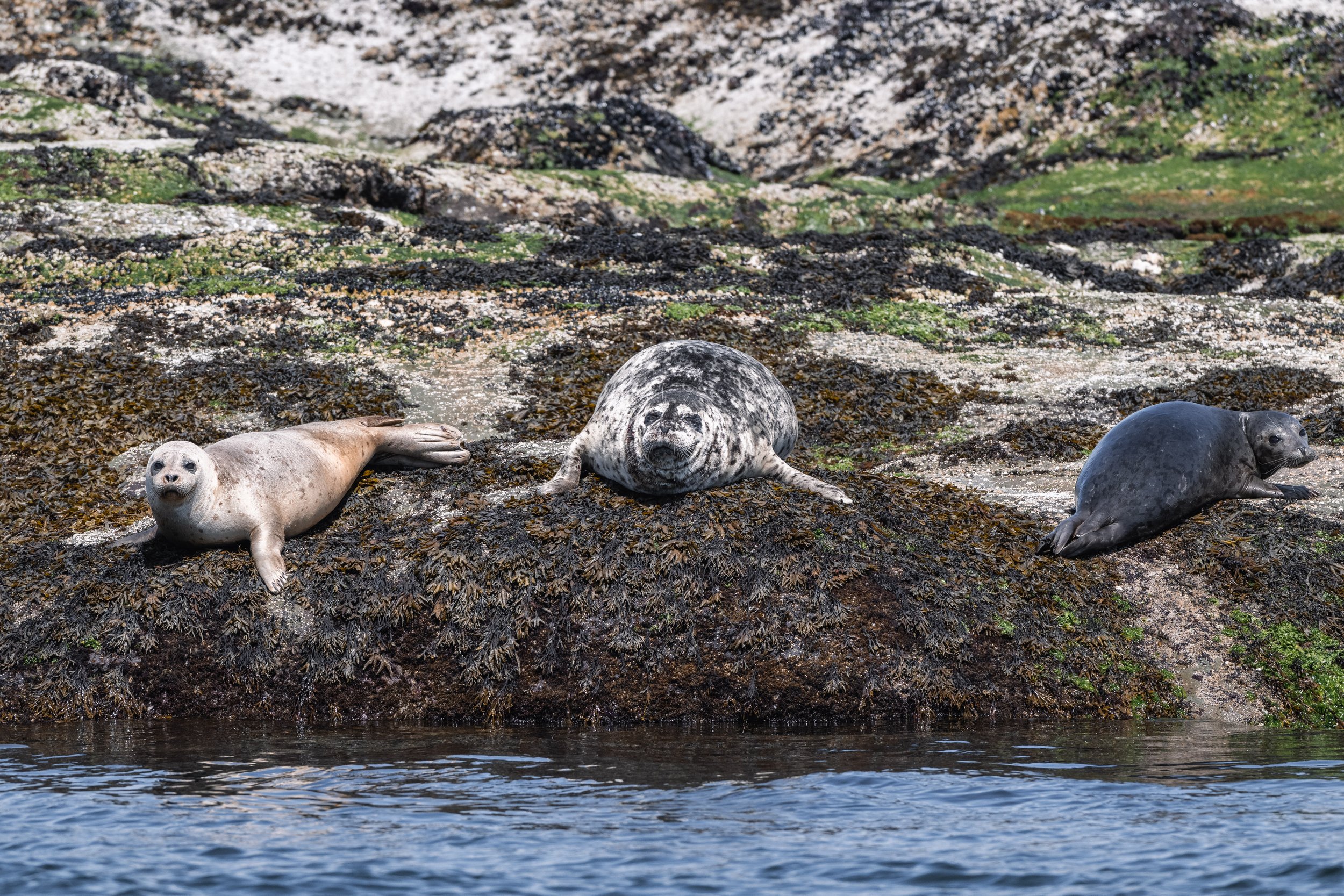
Watching us back. Photo by Aly Kohlman.
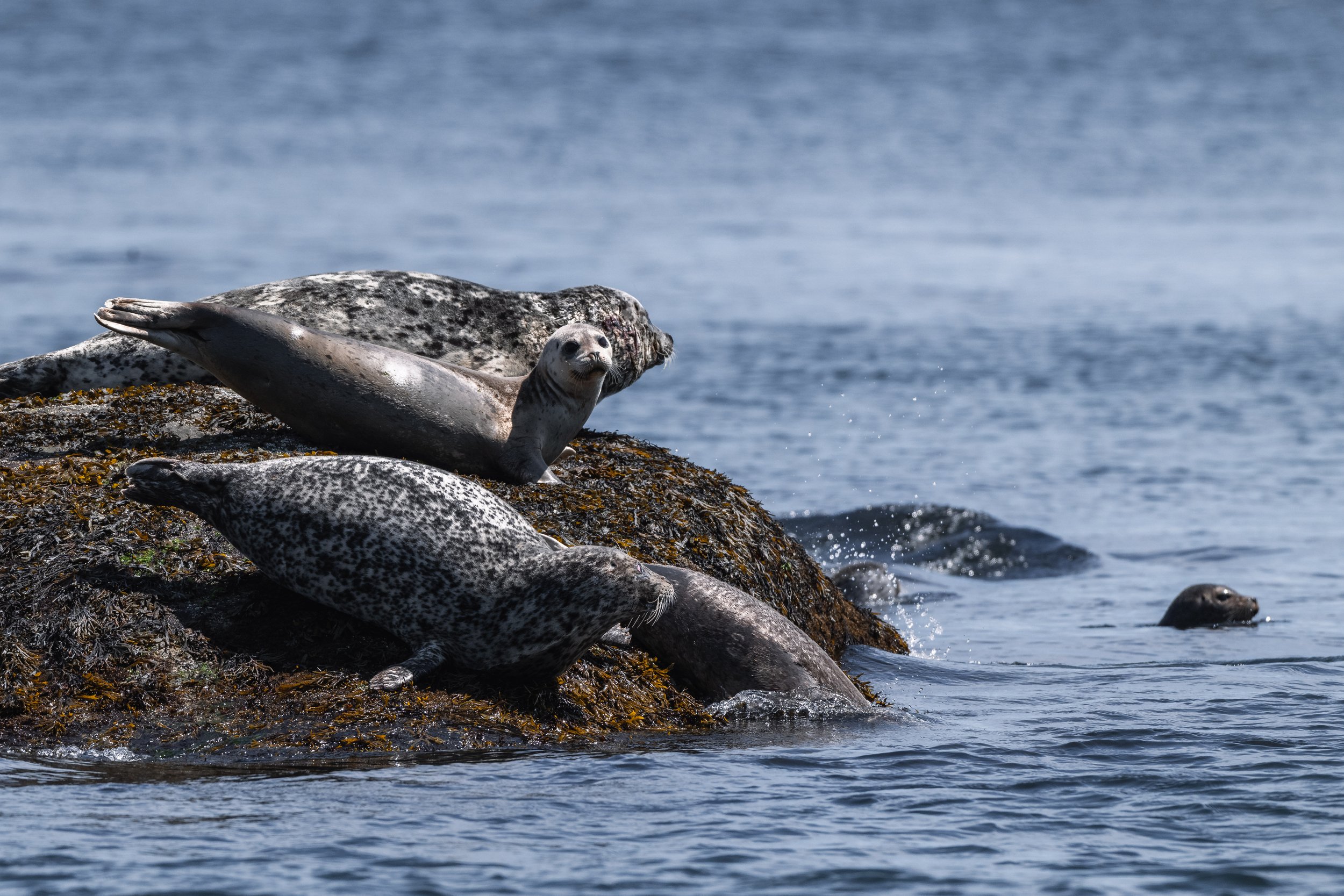
Harbour seals blending into the rocks. Photo by Aly Kohlman.
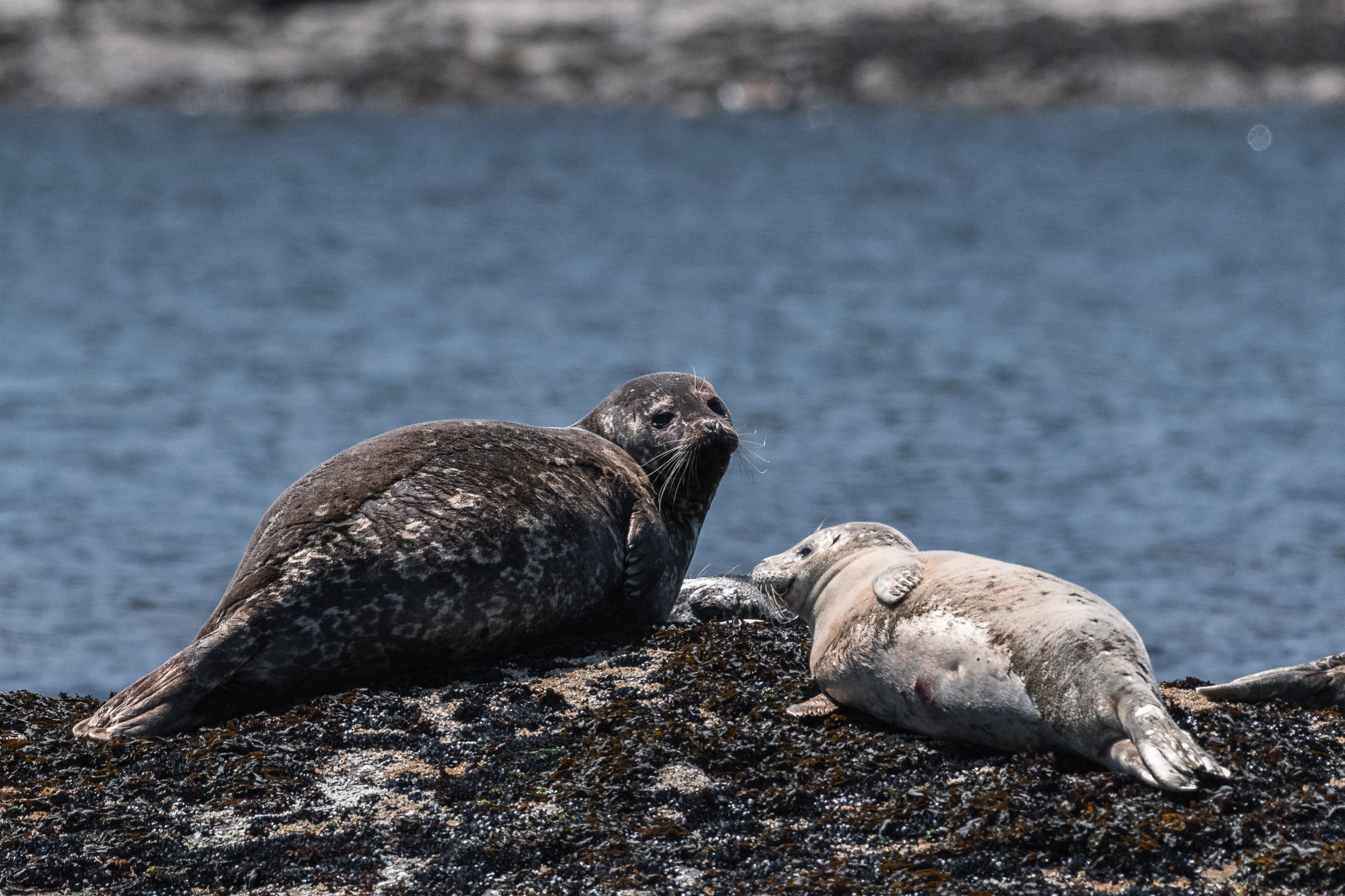
A couple of sun bathers. Photo by Evan Hessels.
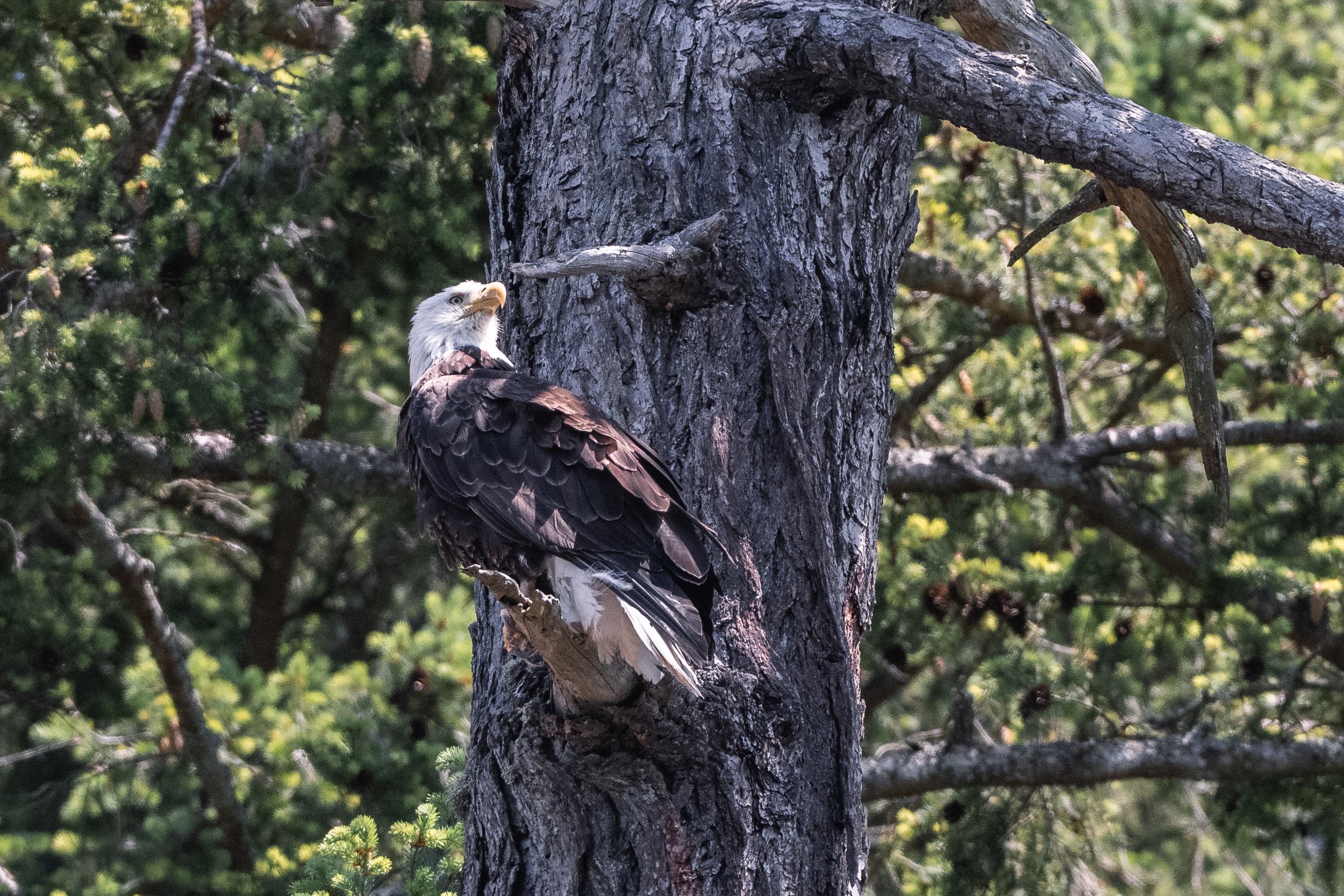
A bald eagle perched. Photo by Aly Kohlman.
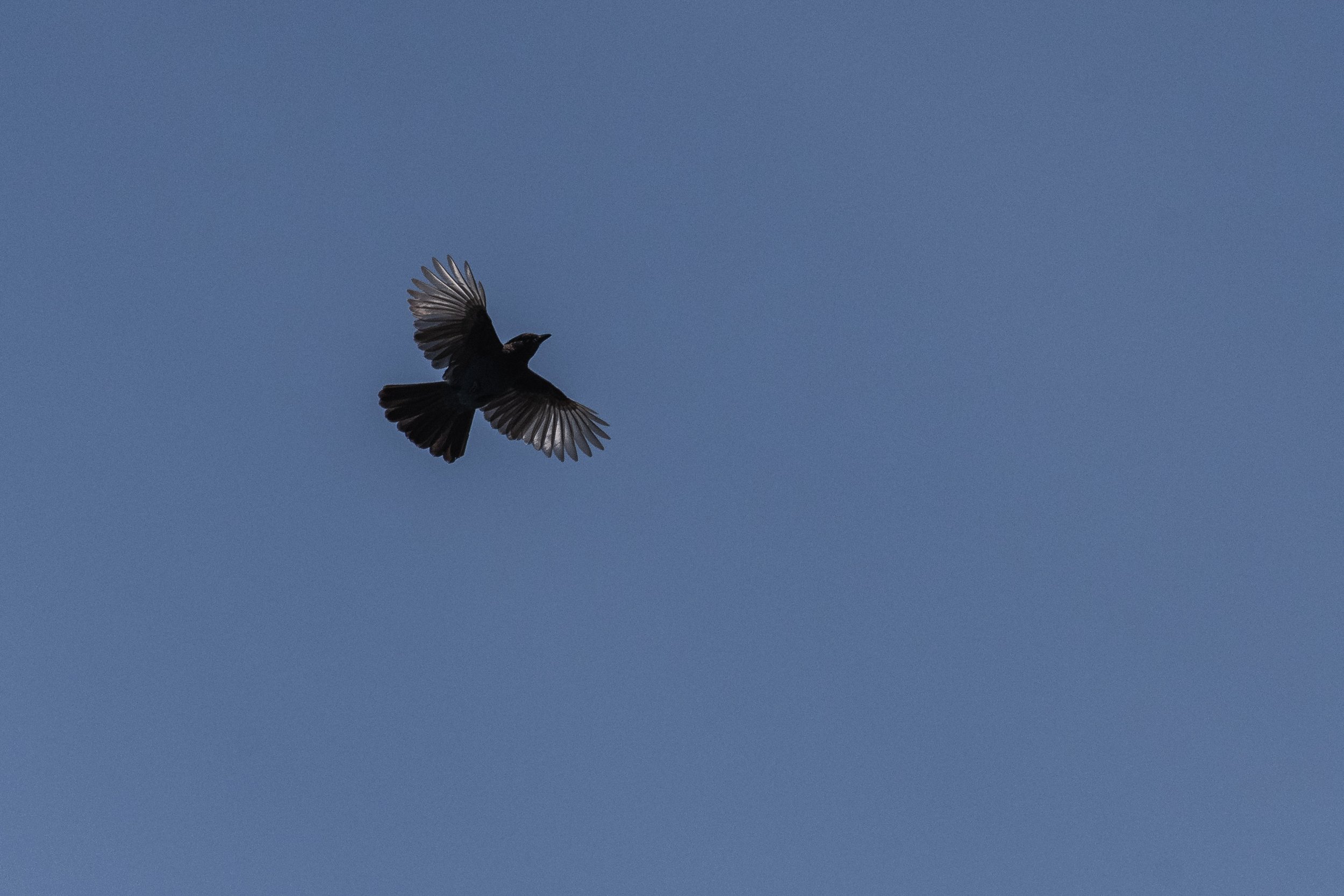
A Steller Jay soars above. Photo by Evan Hessels.
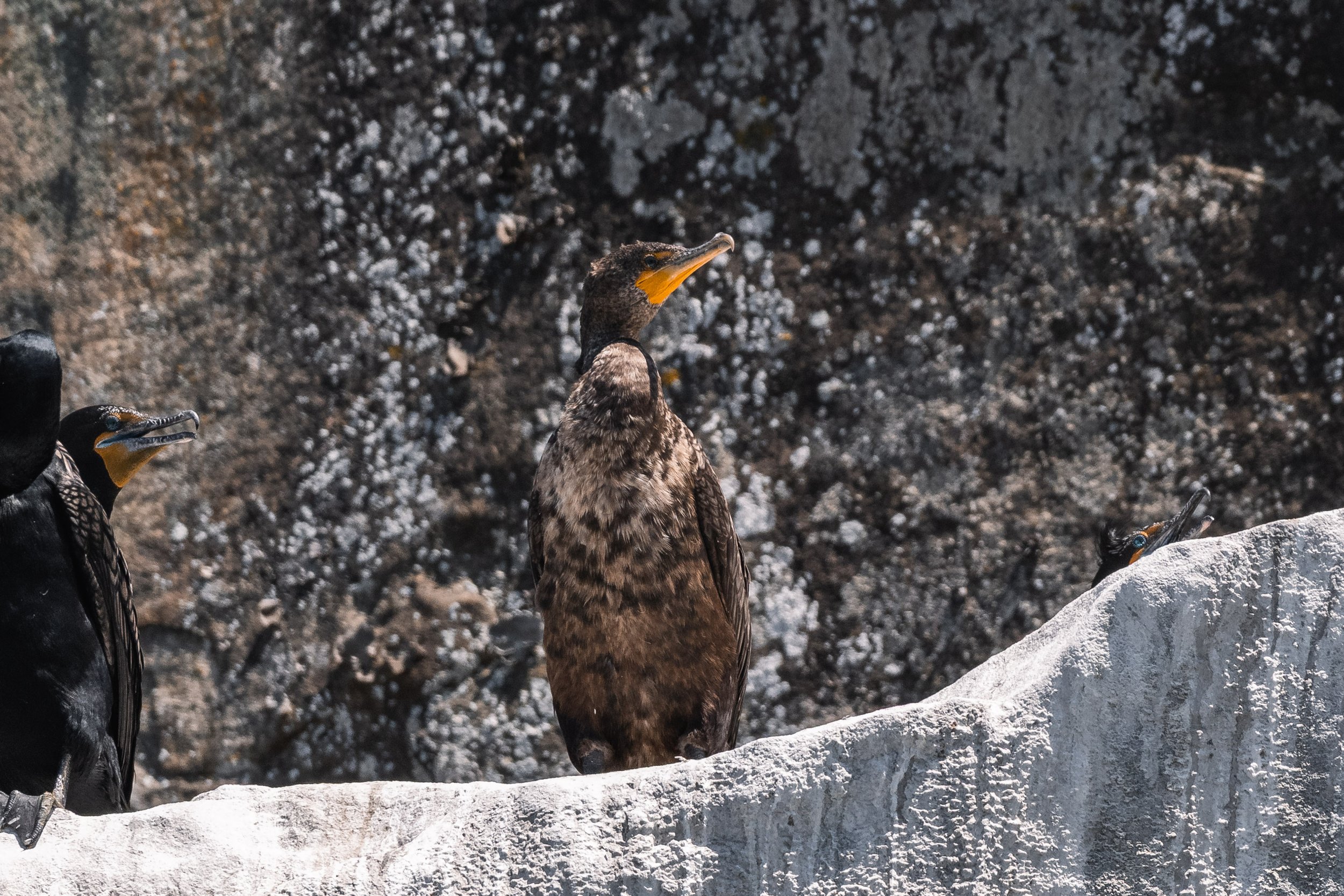
A juvenile cormorant at the bluffs. Photo by Aly Kohlman.